Where to buy Blast Corps
Amazon links are affiliate links: as an Amazon Associate we earn from qualifying purchases.
About the game
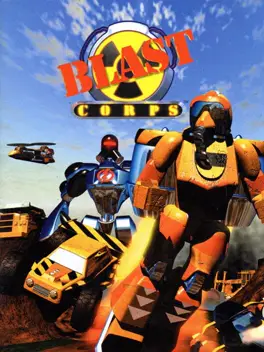
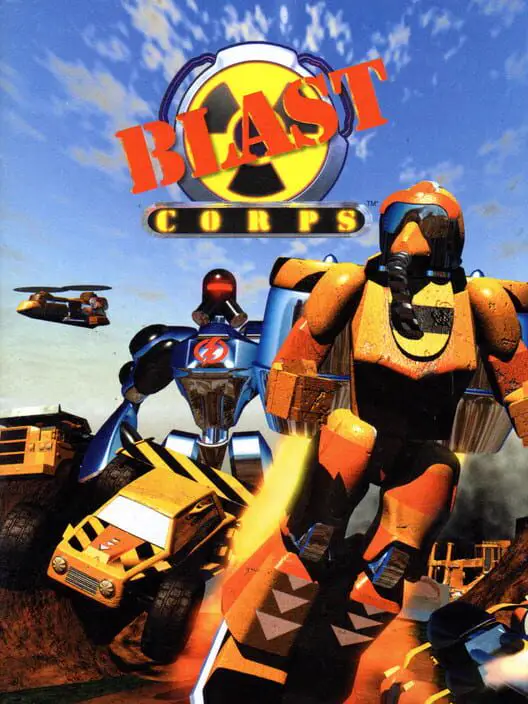
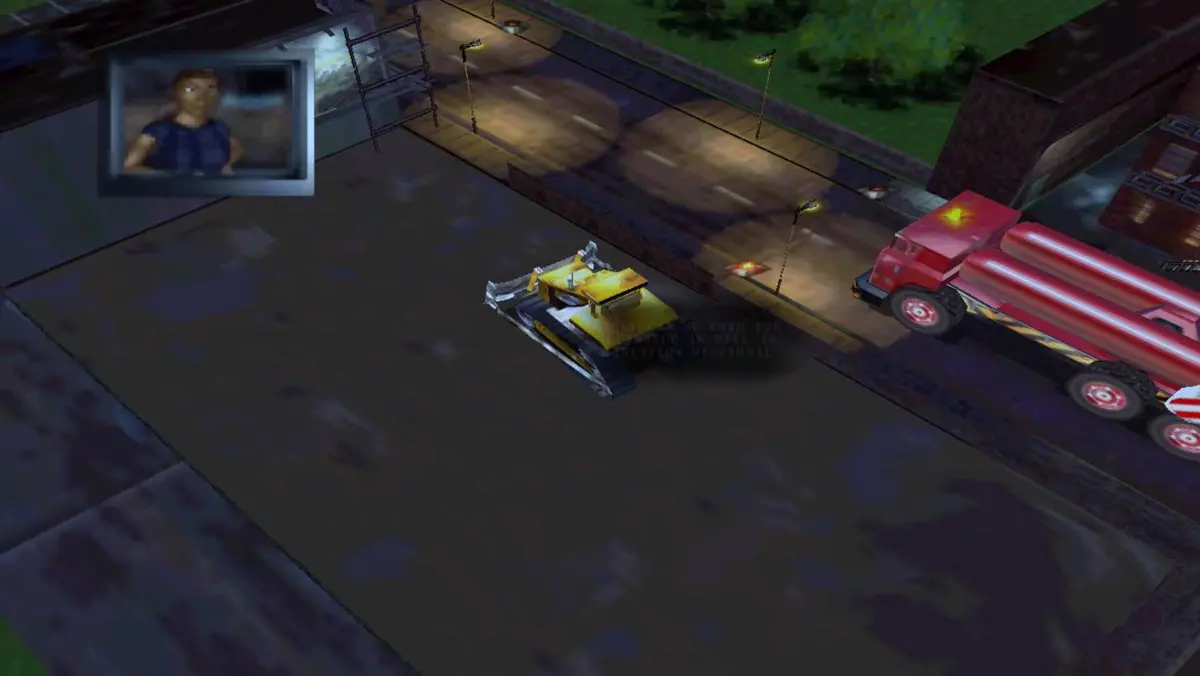
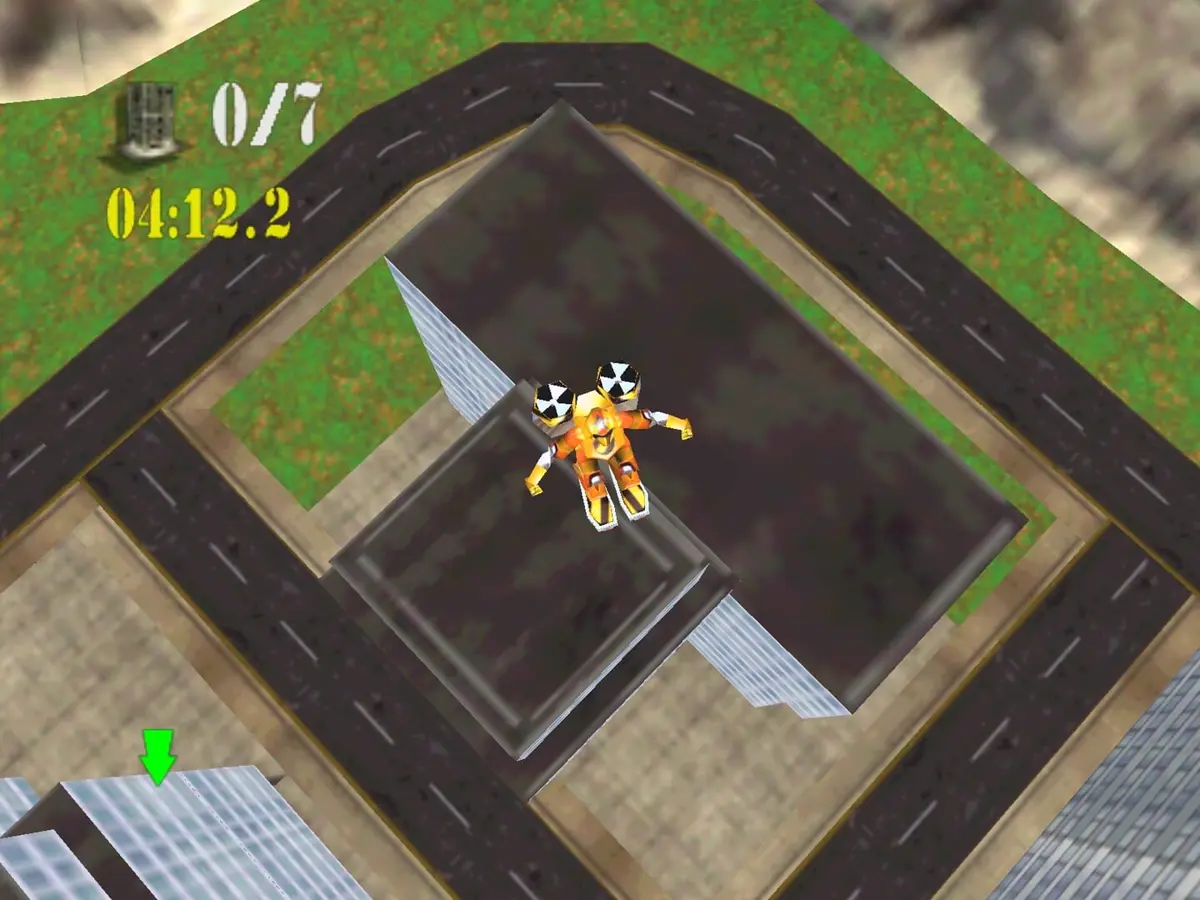
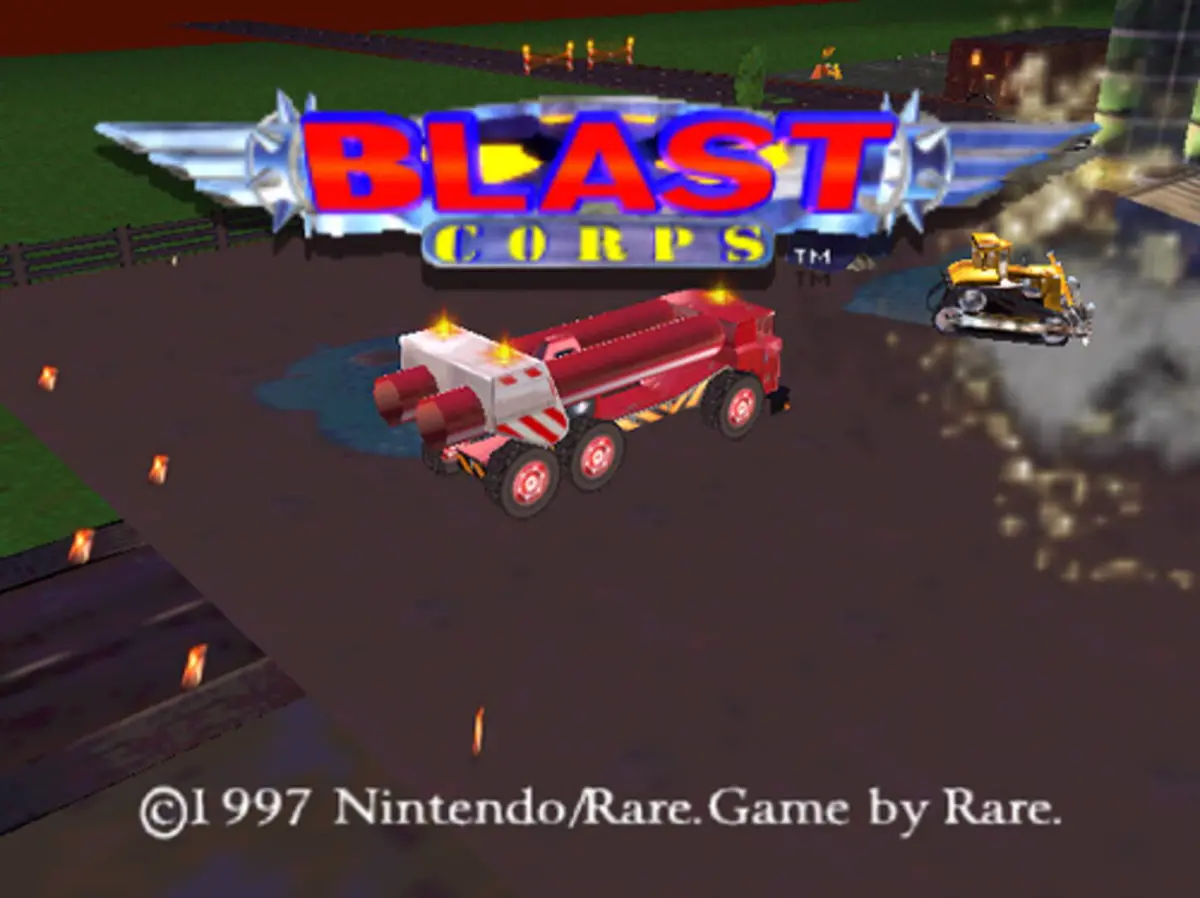
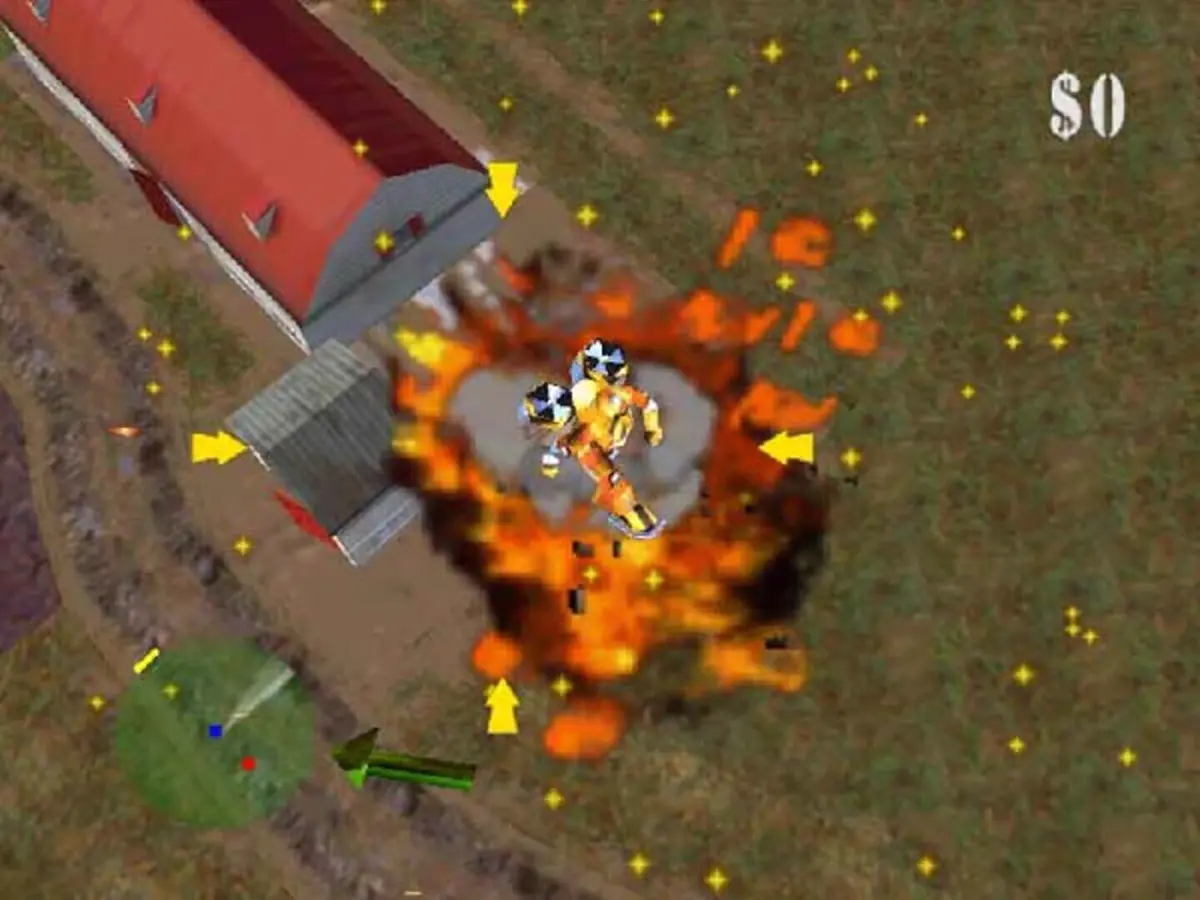
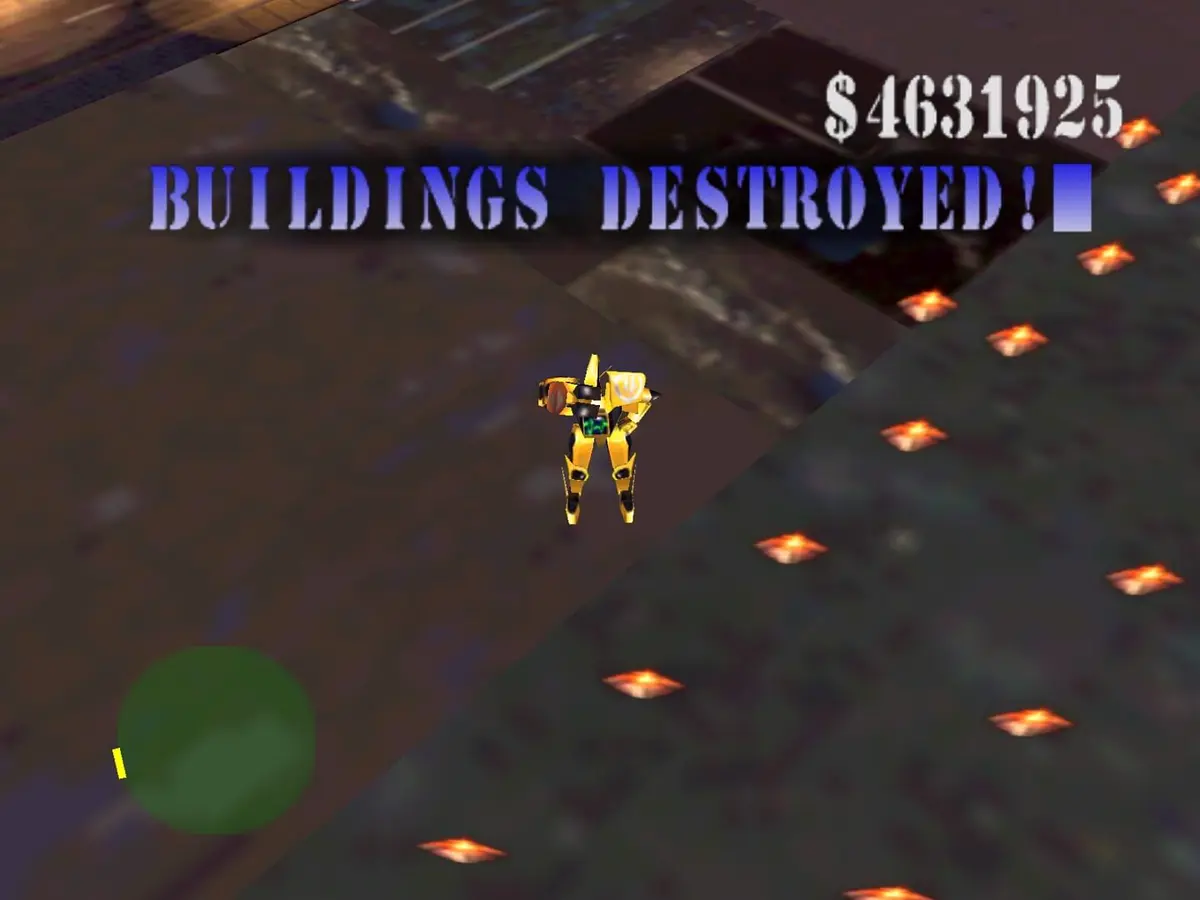
Blast Corps is a 1997 action game developed by Rare and published by Nintendo for the Nintendo 64. The player uses vehicles to destroy buildings in the path of a runaway nuclear missile carrier. In the game's 57 levels, the player solves puzzles by transferring between vehicles to move objects and bridge gaps. It was released in March 1997 in Japan and North America. A wider release followed at the end of that year.
From the Wikipedia article Blast Corps, by its contributors, under CC BY-SA 4.0.
Developer and publisher
Rare Ltd. Developer
British video game developer
Based in Twycross · founded 1985 · 18 other games here
Battletoads, Sea of Thieves, Rare Replay, Kinect Sports Rivals · all 19
Nintendo Publisher
Japanese multinational video game and consumer electronics company
Based in Kyoto · founded 1889 · 295 other games here
Xenoblade Genesis, Kirby and the World Beyond, Metroid Ravenous, Pokémon Champions · all 296
Platforms and release dates
| Platform | Released |
|---|---|
| Nintendo 64 | March 21, 1997 (Japan) March 24, 1997 (North America) December 22, 1997 (PAL region) |
| Platform not recorded | September 5, 1997 (Europe) |
Details
| Genre | puzzle video game, action game |
|---|---|
| Modes | single-player video game |
| Country | United Kingdom |
| Official site | nintendo.co.jp |
What critics say
Blast Corps turns a runaway missile carrier into a demolition puzzle
Rare's 1997 Nintendo 64 game has you flatten everything in a nuclear carrier's path, and critics loved nearly all of it.
Is Blast Corps worth it?
Blast Corps takes a simple, childish idea and builds 57 levels of increasingly clever puzzles on it. Critics praised its originality, its graphics and its tension. The main complaints were a fixed camera, some repetition and a few country tracks. Its critic average of 9.0, computed from critic scores, matches that reception. If you can find it on a Nintendo 64, play it.
Best for: Players who like timed puzzle-action and replaying levels for better medals. If you find tricky vehicle handling frustrating rather than fun, you'll probably struggle with it.
Written from the published record (critics' reviews, the developer's documentation and the game's history), not a hands-on playthrough. How these are written.
What critics praised
- Every level has real tension, with a carrier that never stops coming[1]
- Eight vehicles that each break buildings in a very different way[1]
- Puzzles that mix demolition with moving crates and bridging gaps[1]
- Untimed replays, secret levels and platinum medals add a lot of replay value[1]
- Critics praised its sharp textures and fog-free 3D[1]
Critic scores by outlet
Scores as recorded on Wikidata, with the outlet's own link where Wikidata cites one. User ratings are not listed.
- AnalysisBlast Corps turns a runaway missile carrier into a demolition puzzle
A nuclear missile carrier rolls slowly forward on a fixed route, and it won't stop or steer. If it hits anything, the level is over. Your job is to clear everything in its way, from farmhouses to…
Community clips
See allCommunity images
See allNo community reviews yet. Be the first to review Blast Corps: a score out of 10, what works, what doesn't.
How the score works
9.0GameRaven score = Critics 100%
- Critics9.0100%
- Community–0%
The GameRaven score of 9.0 is the critics' average, from critic aggregates, until members review the game. Community reviews and votes join it as they come in, each counting for more as more people stand behind it. How it's worked out.
Sources
References
- Wikipedia: Blast Corps en.wikipedia.org
Where the rest comes from
- Facts and critic scores: Wikidata item Q339222 (CC0), read November 12, 2026. Spotted something wrong? It can be corrected on Wikidata, and the change reaches this page the next time the catalogue is read.
- Summary: Wikipedia, CC BY-SA 4.0.
- Cover art: IGDB.
- Critics' overview written from: Wikipedia: Blast Corps, CC BY-SA 4.0.
- Critics' overview written from: Wikidata: Q339222, CC0.
- How the score is worked out: methodology.