Where to buy Grim Fandango
Amazon links are affiliate links: as an Amazon Associate we earn from qualifying purchases.
About the game
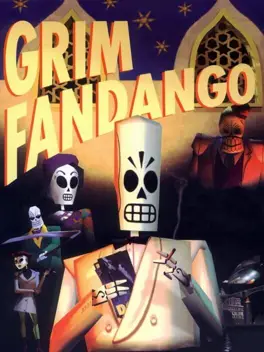
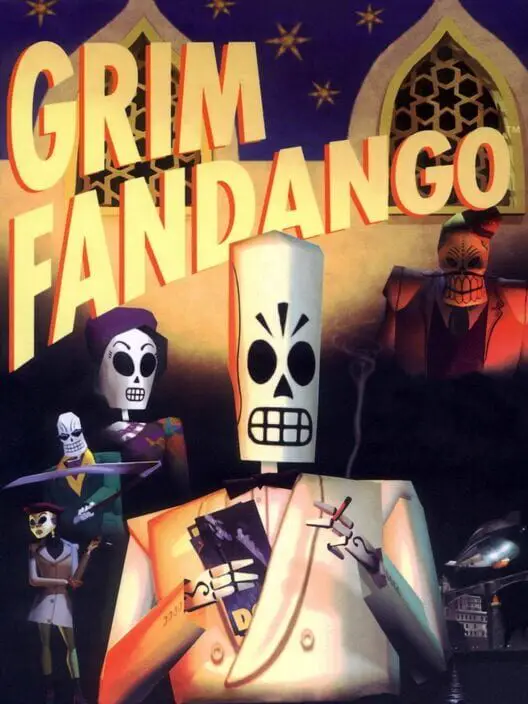
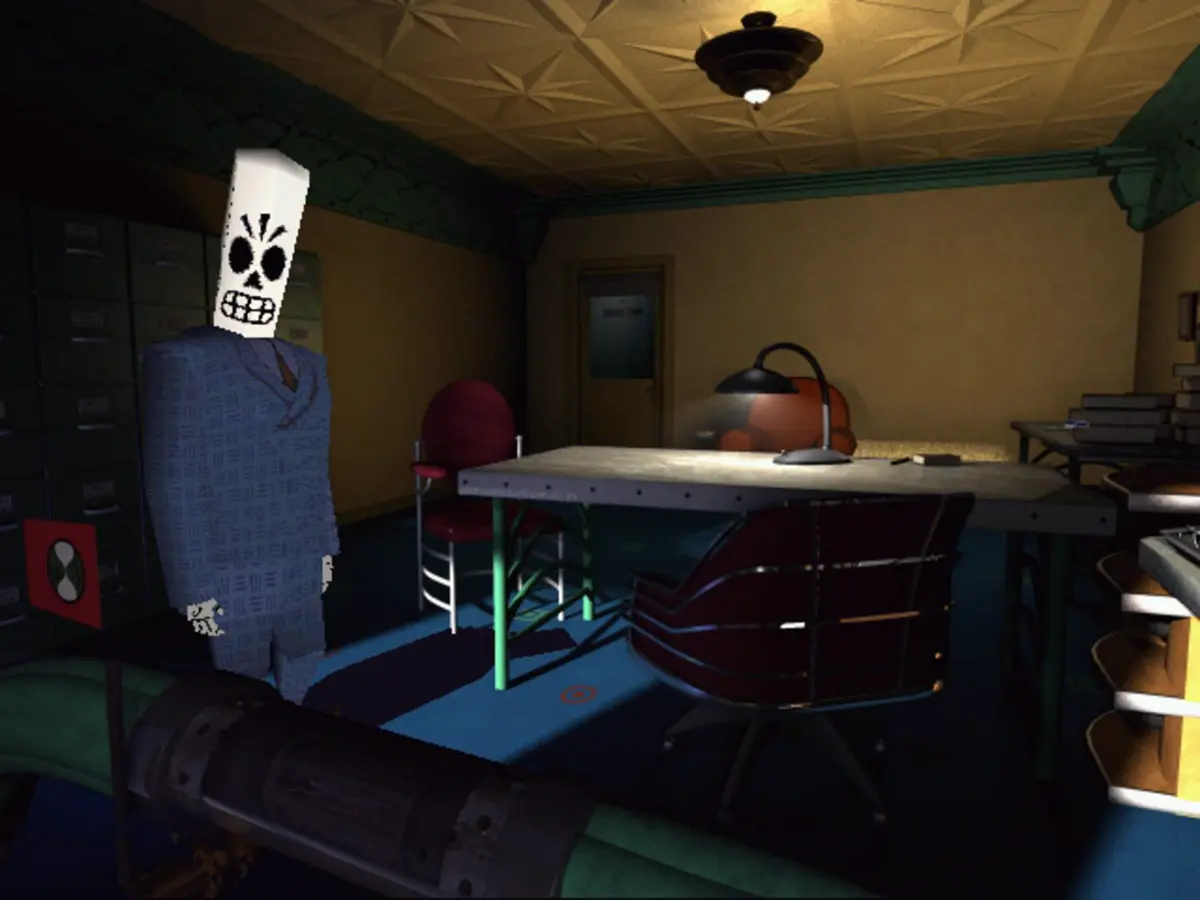
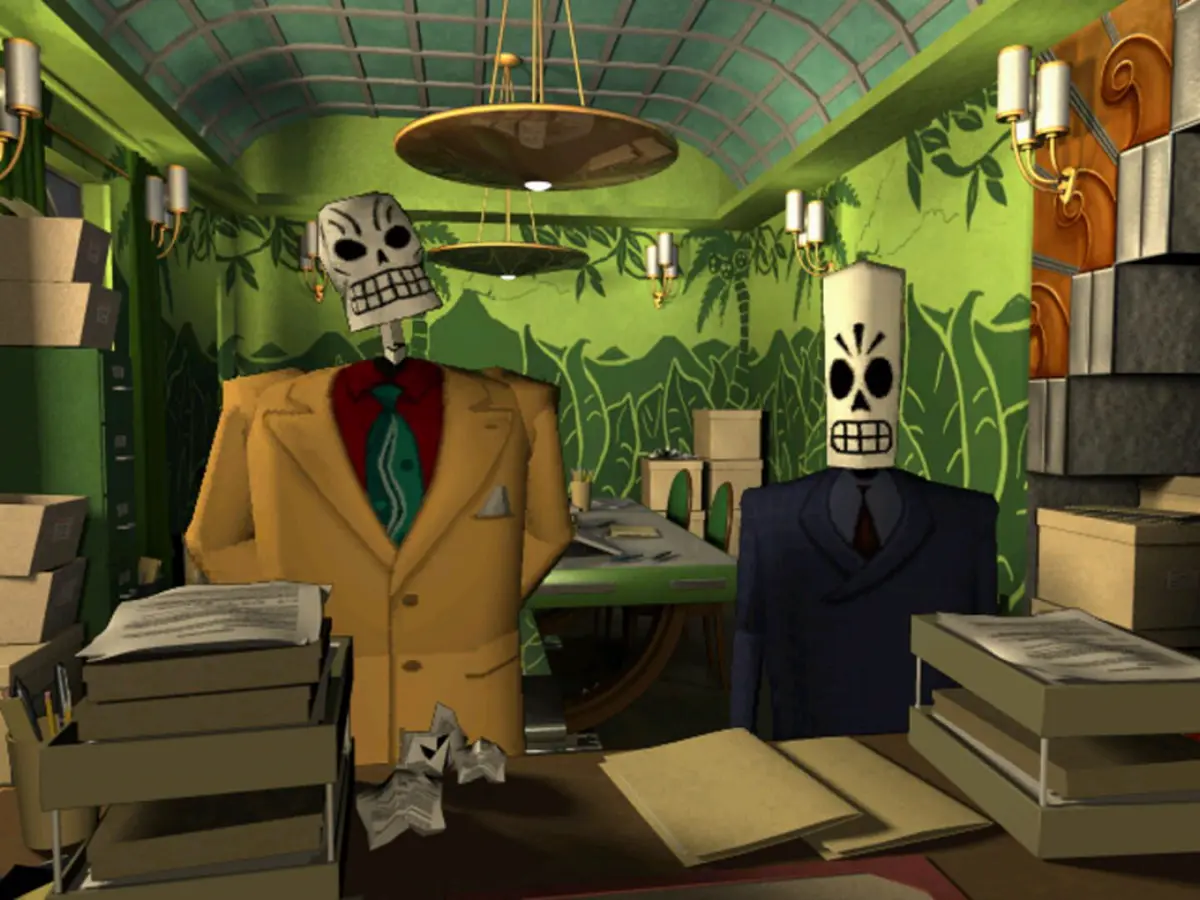
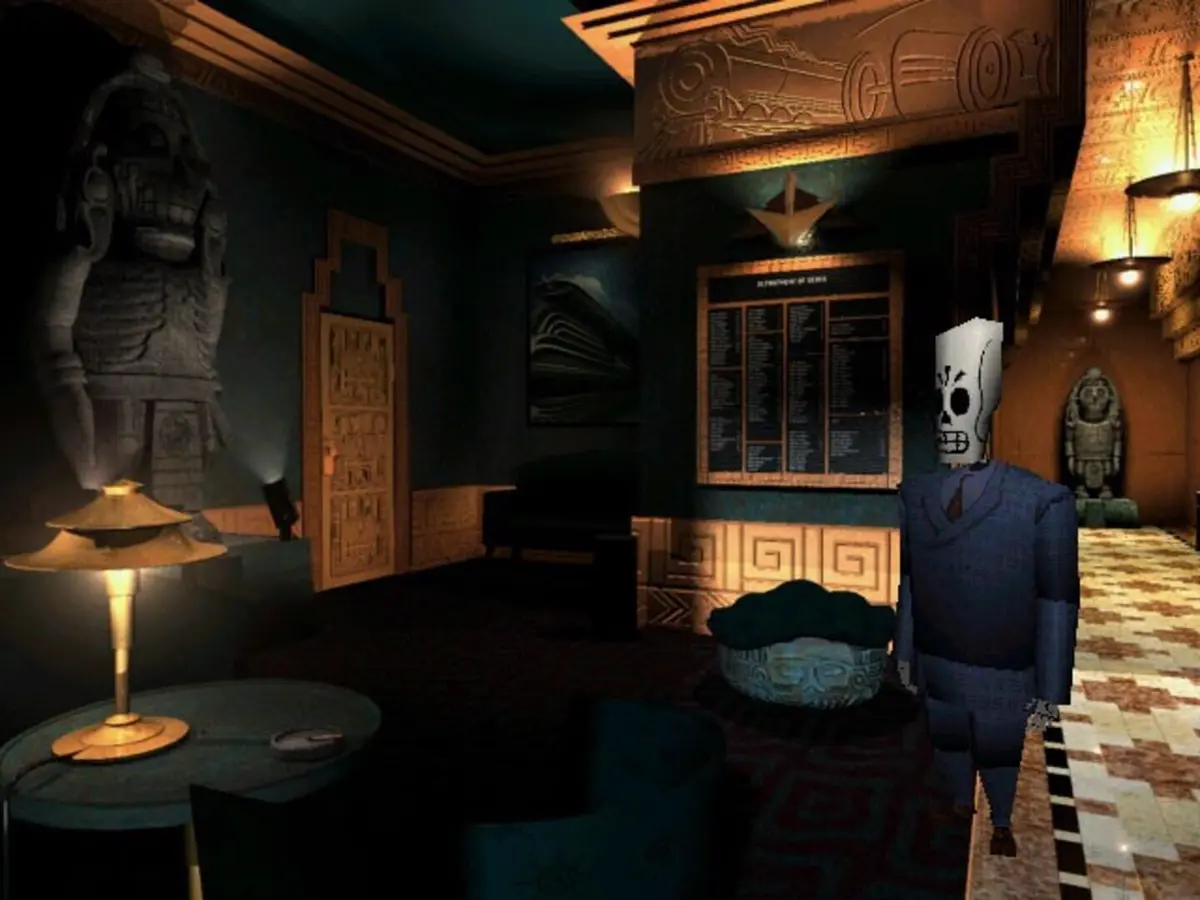
Grim Fandango is a 1998 adventure game directed by Tim Schafer and developed and published by LucasArts for Microsoft Windows. It is the first adventure game by LucasArts to use 3D computer graphics overlaid on pre-rendered static backgrounds. As with other LucasArts adventure games, the player must converse with characters and examine, collect, and use objects to solve puzzles.
From the Wikipedia article Grim Fandango, by its contributors, under CC BY-SA 4.0.
Developer and publisher
Lucasfilm Games Developer and Publisher
American video game producer and publisher
Based in San Francisco · founded 1982 · 69 other games here
Star Wars: Hunters, Return to Monkey Island, Zombies Ate My Neighbors and Ghoul Patrol, Disney Infinity 3.0 · all 70
Platforms and release dates
| Platforms | Android, Linux, Microsoft Windows, macOS, iOS, PlayStation Vita, PlayStation 4 |
|---|---|
| Released | October 30, 1998 |
PC system requirements
Not added yet.
Details
| Genre | graphic adventure game, neo-noir video game |
|---|---|
| Modes | single-player video game |
| Engine | LucasArts adventure games, GrimE |
| Country | United States |
| Age rating | Teen, PEGI 12 |
What critics say
Critic scores by outlet
| Outlet | Score | Out of 100 | Version | Date |
|---|---|---|---|---|
| Gen4 | ★★★★ | n/a | PC game | – |
Scores as recorded on Wikidata, with the outlet's own link where Wikidata cites one. User ratings are not listed.
No community posts about Grim Fandango yet. Write the first: a guide, an analysis or an opinion piece. Your post gets a page of its own.
Community clips
See allCommunity images
See allNo community reviews yet. Be the first to review Grim Fandango: a score out of 10, what works, what doesn't.
How the score works
No GameRaven score yet: no critic score on record can be read on a common scale. How it's worked out.
Sources
- Facts and critic scores: Wikidata item Q592507 (CC0), read November 12, 2026. Spotted something wrong? It can be corrected on Wikidata, and the change reaches this page the next time the catalogue is read.
- Summary: Wikipedia, CC BY-SA 4.0.
- Cover art: IGDB.
- How the score is worked out: methodology.