

About
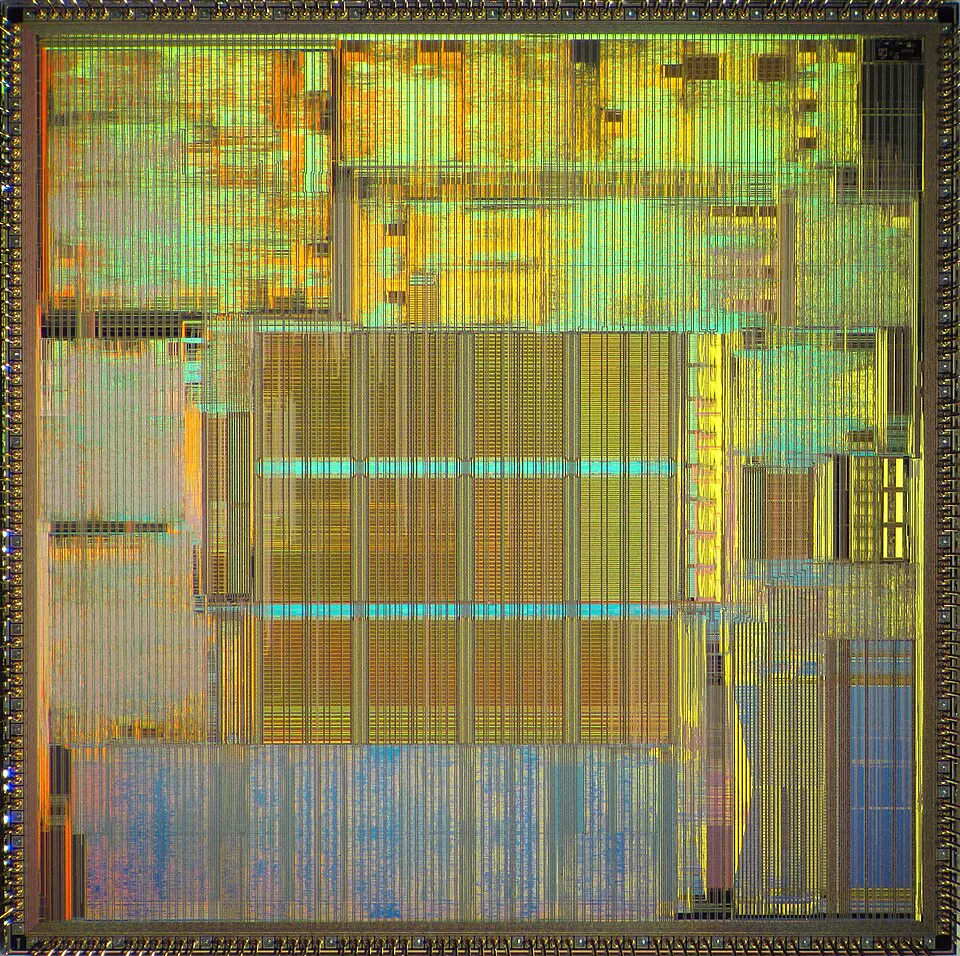
TriMedia is a family of very long instruction word media processors from NXP Semiconductors. TriMedia is a Harvard architecture CPU that features many DSP and SIMD operations to efficiently process audio and video data streams. For TriMedia processor optimal performance can be achieved by only programming in C/C++ as opposed to most other VLIW/DSP processors which require assembly language programming to achieve optimal performance. High-level programmability of TriMedia relies on the large uniform register file and the orthogonal instruction set, in which RISC-like operations can be scheduled independently of each other in the VLIW issue slots. Furthermore, TriMedia processors boast advanced caches supporting unaligned accesses without performance penalty, hardware and software data/instruction prefetch, allocate-on-write-miss, as well as collapsed load operations combining a traditional load with a 2-taps filter function. TriMedia development has been supported by various research studies on hardware cache coherency, multithreading and diverse accelerators to build scalable shared memory multiprocessor systems.
From the Wikipedia article TriMedia (media processor), by its contributors, under CC BY-SA 4.0.
Key facts
| Made by | Koninklijke Philips NV, NXP Semiconductors |
|---|---|
| Type | Pc component |
Specifications
Not added yet.
Accessories and variants
Not added yet.
Sources
- Facts and specifications: Wikidata item Q2311899 (CC0).
- Summary: Wikipedia, CC BY-SA 4.0.
- Image: Philips TriMedia TM-1100 die.JPG by Pauli Rautakorpi, CC BY 3.0, via Wikimedia Commons.
- Scores: how the score is worked out.
