

Where to buy Another Code: Two Memories
Amazon links are affiliate links: as an Amazon Associate we earn from qualifying purchases.
About the game
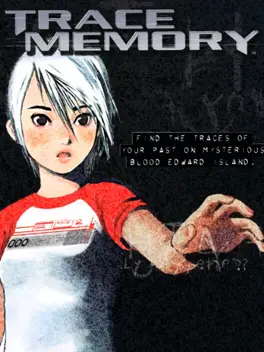
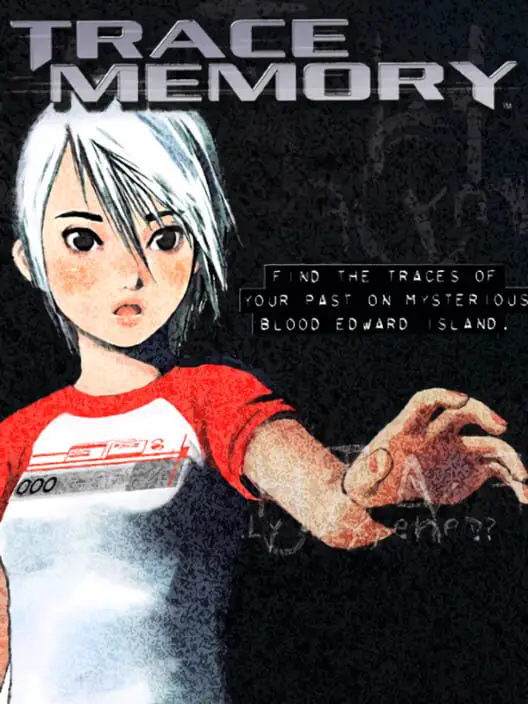
Another Code: Two Memories, known as Trace Memory in North America, is a 2005 point-and-click adventure game developed by Cing and published by Nintendo for the Nintendo DS. The game was first released in Japan on February 24, 2005, with releases in Europe, Australia, and North America, following later the same year.
From the Wikipedia article Another Code: Two Memories, by its contributors, under CC BY-SA 4.0.
Developer and publisher
Cing Developer
Japanese videogame development company
Based in Fukuoka · founded 1999 · 0 other games here
Nintendo Publisher
Japanese multinational video game and consumer electronics company
Based in Kyoto · founded 1889 · 295 other games here
Xenoblade Genesis, Kirby and the World Beyond, Metroid Ravenous, Pokémon Champions · all 296
Platforms and release dates
| Platforms | Nintendo DS |
|---|---|
| Released | February 24, 2005 (Japan) June 24, 2005 (Europe) July 6, 2005 (Australasia) September 27, 2005 (North America) |
Details
| Genre | adventure video game, visual novel |
|---|---|
| Modes | single-player video game |
| Country | Japan |
| Age rating | Teen, PEGI 7 |
| Official site | nintendo.co.kr |
What critics say
Trace Memory pairs slick stylus puzzles with a story that ends too soon
Cing's 2005 DS adventure drew praise for its controls, art and plot, but critics found its puzzles familiar and its running time thin.
Is Another Code: Two Memories worth it?
Another Code: Two Memories, sold as Trace Memory in North America, is a gentle, good-looking adventure whose touch controls and quiet story impressed critics more than its puzzles did. Its one critic score on file is 5/10, and the critic average computed from it is 5.0, which fits a game that is pleasant and polished but short and familiar. Newcomers to adventure games and younger players will get the most from it. Pick it up cheap; skip it if you want a long or challenging puzzle game.
Best for: Younger players, people new to adventure games, and anyone who wants a short, gentle mystery on the DS. Experienced puzzle fans should expect few surprises.
Written from the published record (critics' reviews, the developer's documentation and the game's history), not a hands-on playthrough. How these are written.
What critics praised
Critic scores by outlet
| Outlet | Score | Out of 100 | Version | Date |
|---|---|---|---|---|
| gamebiz.com.au | 5/10 | 50 | Nintendo DS | – |
Scores as recorded on Wikidata, with the outlet's own link where Wikidata cites one. User ratings are not listed.
- AnalysisTrace Memory pairs slick stylus puzzles with a story that ends too soon
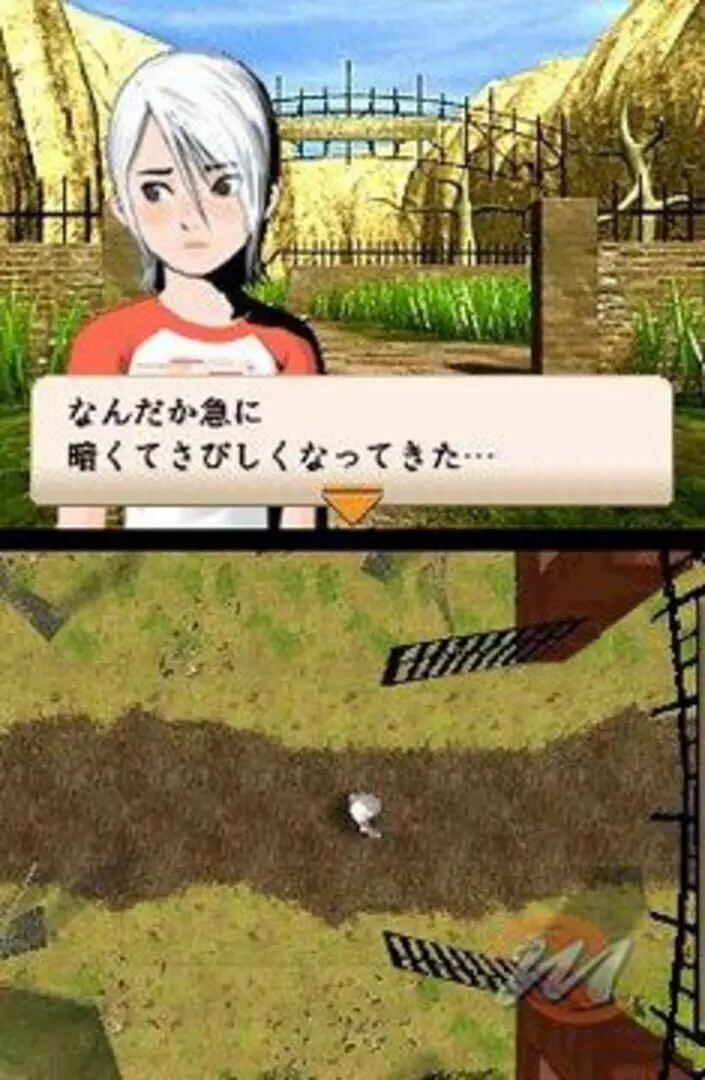
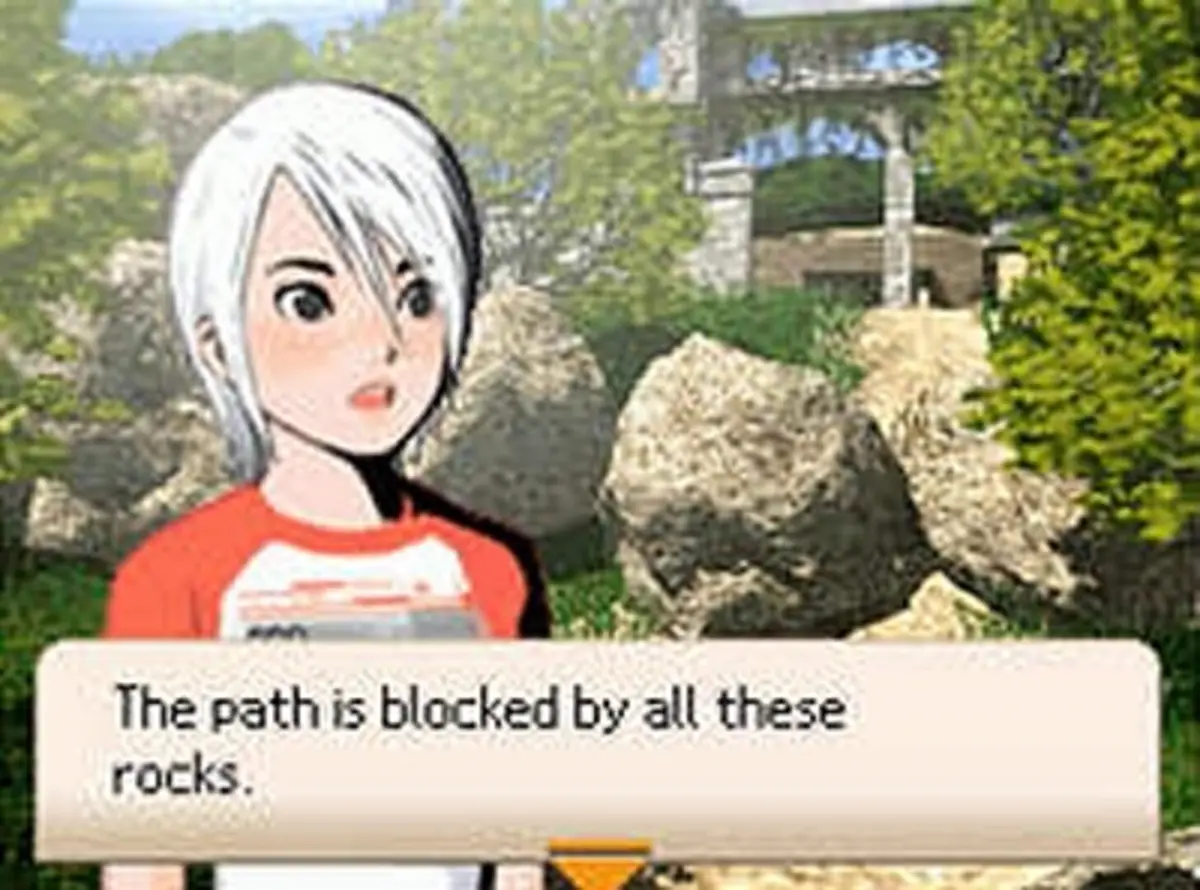
The game asks you to guide Ashley Mizuki Robbins through 3D spaces and solve puzzles, almost entirely by hand on the touchscreen. The lower screen shows an overhead view of Ashley and the room around…
Community clips
See allCommunity images
See allNo community reviews yet. Be the first to review Another Code: Two Memories: a score out of 10, what works, what doesn't.
How the score works
5.0GameRaven score = Critics 100%
- Critics5.0100%
- Community–0%
The GameRaven score of 5.0 is the critics' average, from 1 critic, until members review the game. Community reviews and votes join it as they come in, each counting for more as more people stand behind it. How it's worked out.
Sources
References
- Wikipedia: Another Code: Two Memories en.wikipedia.org
Where the rest comes from
- Facts and critic scores: Wikidata item Q567957 (CC0), read November 12, 2026. Spotted something wrong? It can be corrected on Wikidata, and the change reaches this page the next time the catalogue is read.
- Summary: Wikipedia, CC BY-SA 4.0.
- Cover art: IGDB.
- Critics' overview written from: Wikipedia: Another Code: Two Memories, CC BY-SA 4.0.
- Critics' overview written from: Wikidata: Q567957, CC0.
- How the score is worked out: methodology.