Where to buy Doki Doki Literature Club!
Amazon links are affiliate links: as an Amazon Associate we earn from qualifying purchases.
About the game
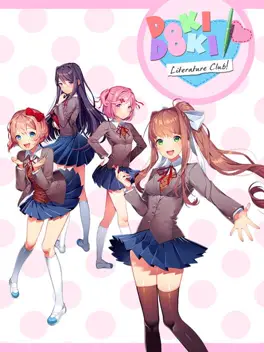
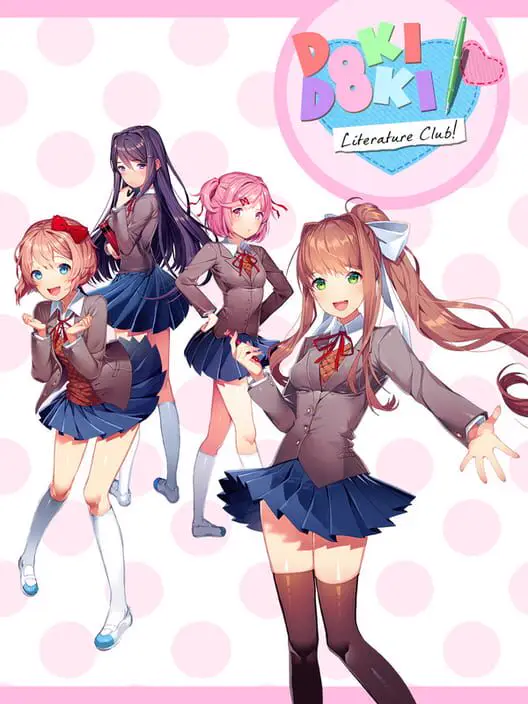
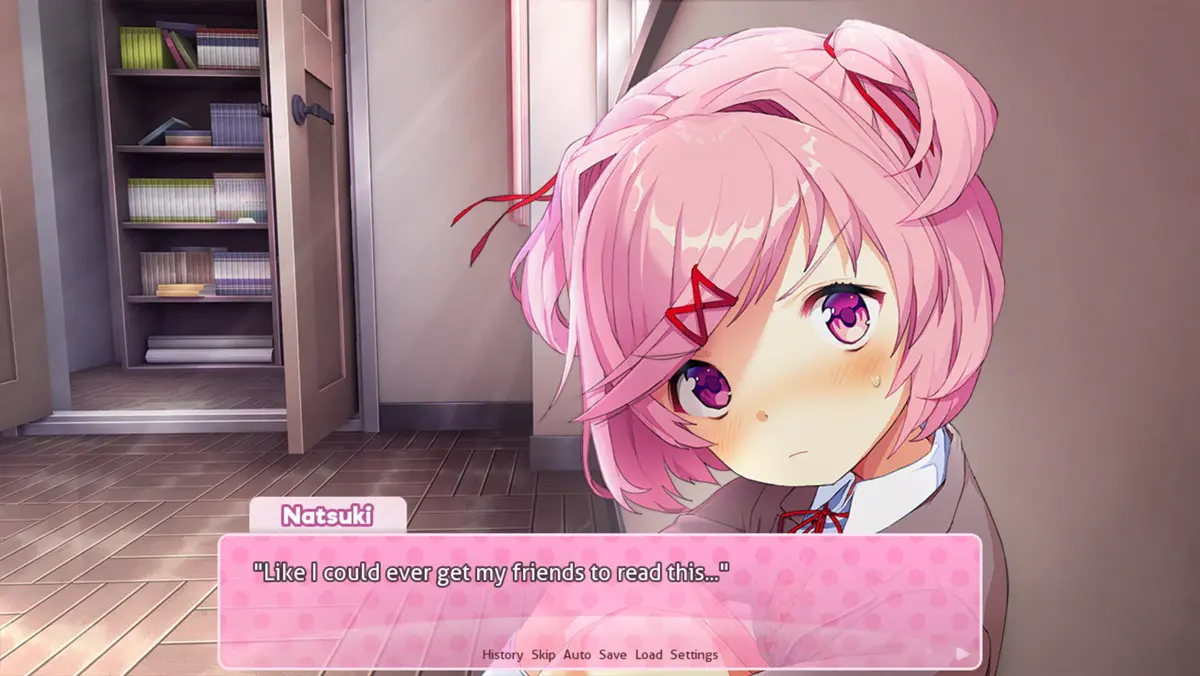
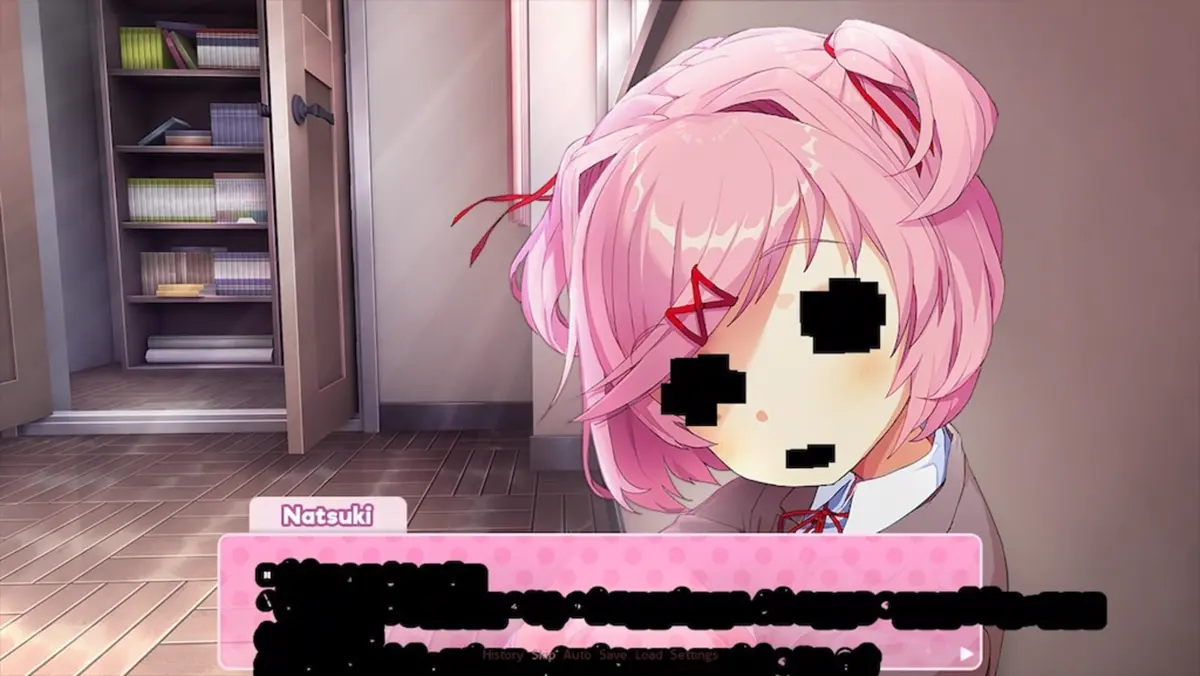
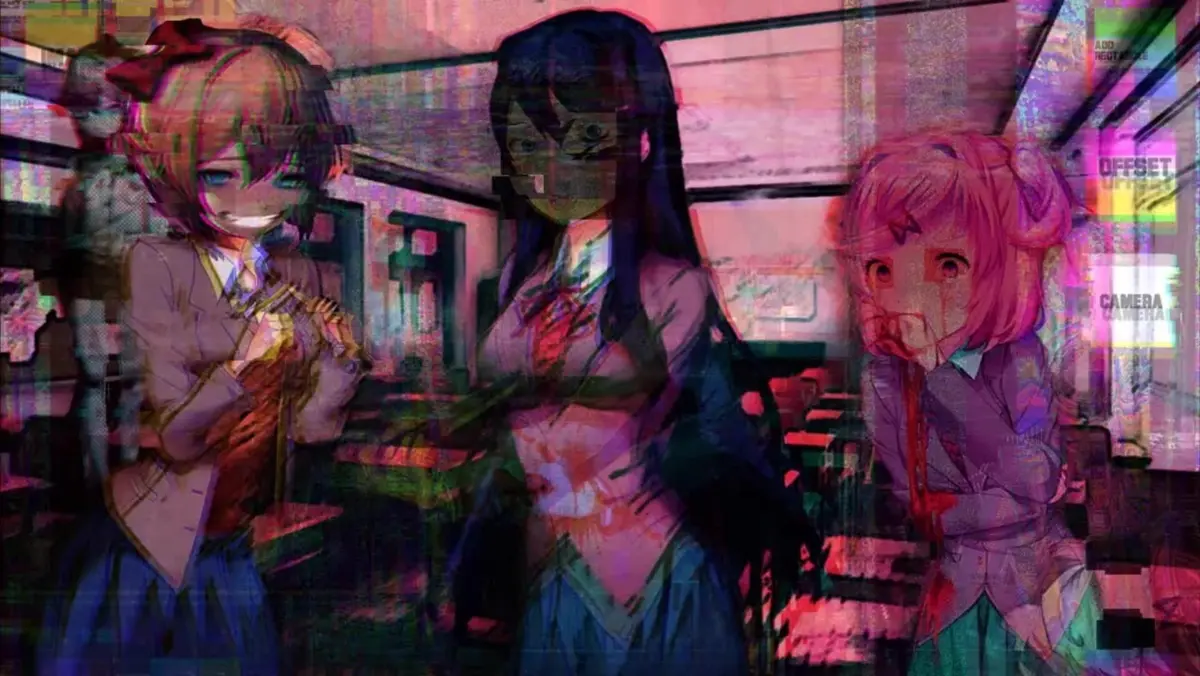
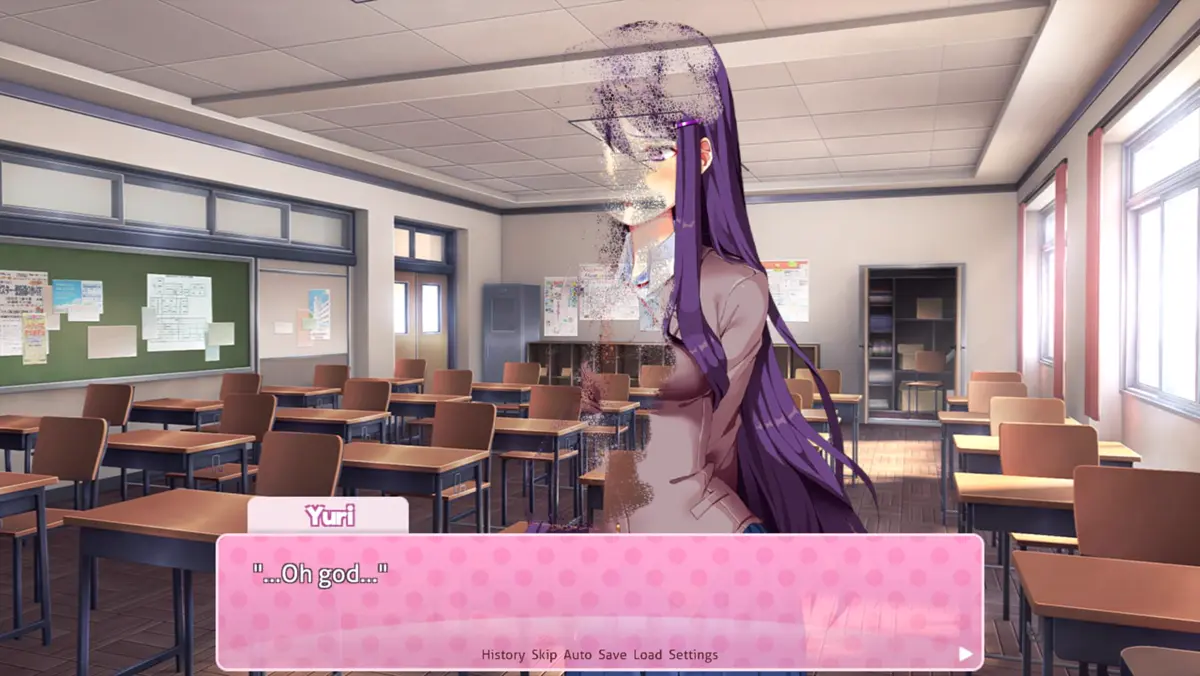
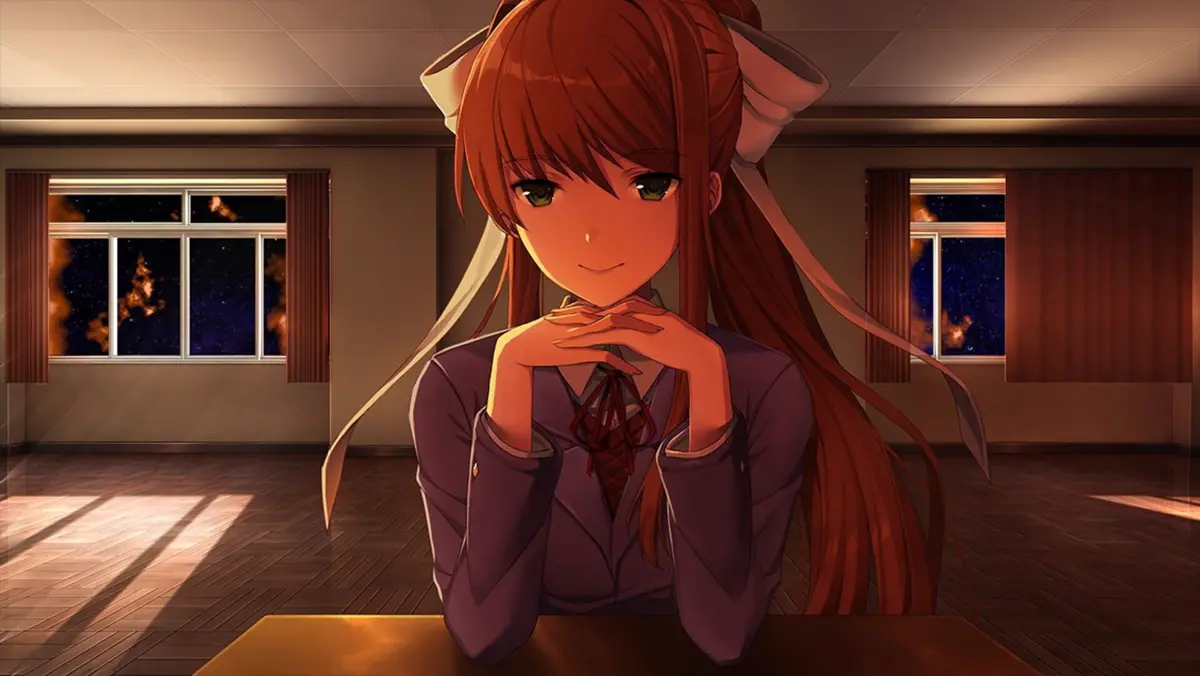
Doki Doki Literature Club! (DDLC) is a 2017 visual novel video game developed by Team Salvato for personal computers and mobile phones. The story follows a student who reluctantly joins his high school's literature club at the insistence of his friend Sayori, and is given the option to pursue her or the other club members, Yuri and Natsuki, romantically. Club president Monika also features heavily in the game's plot. The game features a non-traditional plot structure with multiple endings and unlockable cutscenes with each of the main characters. Although it initially appears to be a light-hearted dating simulator, it is a metafictional psychological horror game that extensively breaks the fourth wall.
From the Wikipedia article Doki Doki Literature Club!, by its contributors, under CC BY-SA 4.0.
Developer and publisher
Team Salvato Developer and Publisher
Video game developer
United States · founded 2017 · 1 other game here
Platforms and release dates
| Platform | Released |
|---|---|
| Linux | September 22, 2017 |
| Microsoft Windows | September 22, 2017 |
| macOS | September 22, 2017 |
PC system requirements
Not added yet.
Details
| Genre | visual novel, psychological horror video game |
|---|---|
| Modes | single-player video game |
| Engine | Ren'Py |
| Sold on | Steam, itch.io |
| Country | United States |
| Official site | ddlc.moe |
What critics say
DDLC hides a horror game inside a cheerful dating sim
Team Salvato's 2017 visual novel plays sweet first so that its file-breaking turn hits harder, and most critics say the trick lands.
Is Doki Doki Literature Club! worth it?
DDLC is a trick, and critics broadly agree it works: the sugary opening is the setup, and the moment the game turns on its own files is the payoff. Its critic average of 8.7 is computed from critic aggregates and reflects that warm reception. The early chatter can drag, and some critics felt the game had little left once its secret was out. The twist is still worth seeing for yourself, so play it, and go in knowing as little as you can.
Best for: Players who like stories that play with the form they're told in, and who can handle psychological horror behind a pastel front. If you dislike long stretches of reading with few choices, the first act will test you.
Written from the published record (critics' reviews, the developer's documentation and the game's history), not a hands-on playthrough. How these are written.
What critics praised
- A cute romance setup that hides a psychological horror story[1]
- Fourth-wall tricks that delete files instead of adding them, which critics called fresh[1]
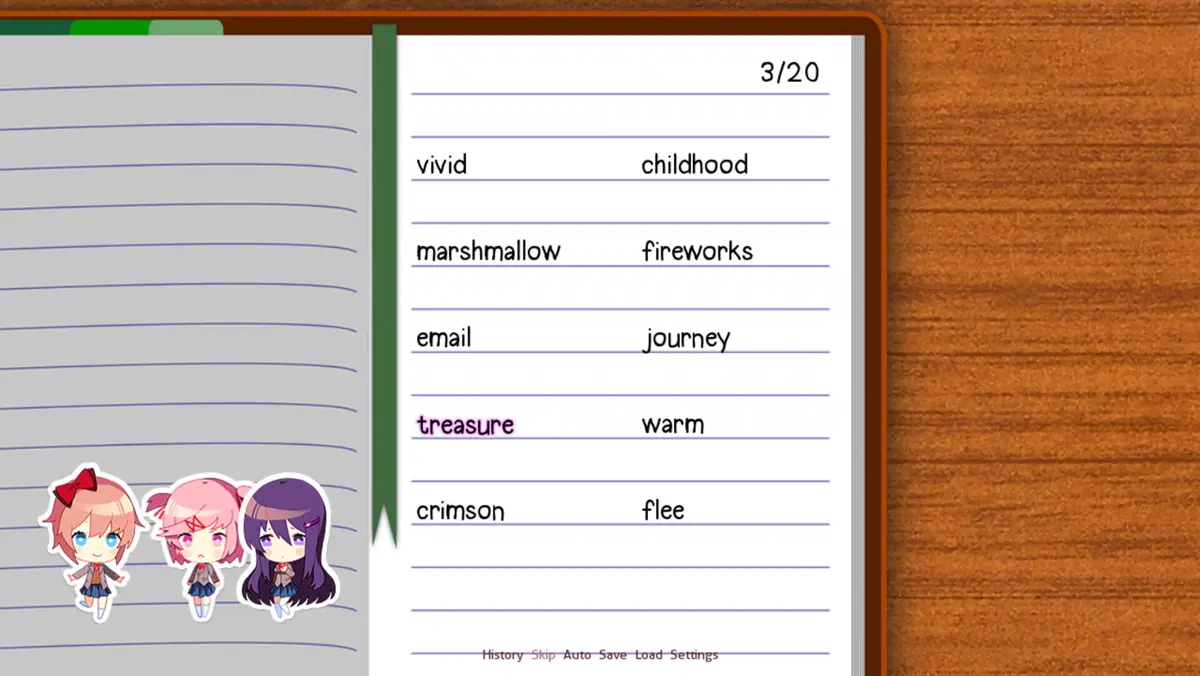
- A poem minigame where word choices decide which club member's scenes come next[1]
- Polished anime art and music that make the turn hit harder[1]
- Widely praised as a smart take on the visual novel genre[1]
Critic scores by outlet
| Outlet | Score | Out of 100 | Version | Date |
|---|---|---|---|---|
| OpenCritic aggregate of 7 | 87/100 | 87 | – | June 30, 2021 |
OpenCritic: 71% of critics recommend it.
Scores as recorded on Wikidata, with the outlet's own link where Wikidata cites one. User ratings are not listed.
- AnalysisDDLC hides a horror game inside a cheerful dating sim
Most of the game is reading. It shows static, two-dimensional character art from a first-person view, with the dialogue in text boxes and no voice acting. You play a student who joins his high…
Community clips
See allCommunity images
See allNo community reviews yet. Be the first to review Doki Doki Literature Club!: a score out of 10, what works, what doesn't.
How the score works
8.7GameRaven score = Critics 100%
- Critics8.7100%
- Community–0%
The GameRaven score of 8.7 is the critics' average, from critic aggregates, until members review the game. Community reviews and votes join it as they come in, each counting for more as more people stand behind it. How it's worked out.
Sources
References
- Wikipedia: Doki Doki Literature Club! en.wikipedia.org
Where the rest comes from
- Facts and critic scores: Wikidata item Q42266827 (CC0), read November 12, 2026. Spotted something wrong? It can be corrected on Wikidata, and the change reaches this page the next time the catalogue is read.
- Summary: Wikipedia, CC BY-SA 4.0.
- Cover art: IGDB.
- Critics' overview written from: Wikipedia: Doki Doki Literature Club!, CC BY-SA 4.0.
- Critics' overview written from: Wikidata: Q42266827, CC0.
- How the score is worked out: methodology.