Where to buy Don Doko Don
Amazon links are affiliate links: as an Amazon Associate we earn from qualifying purchases.
About the game
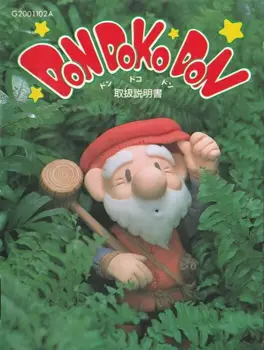
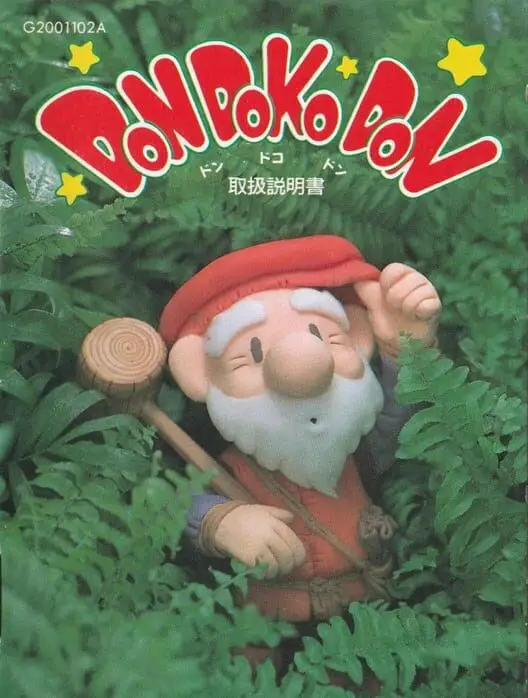
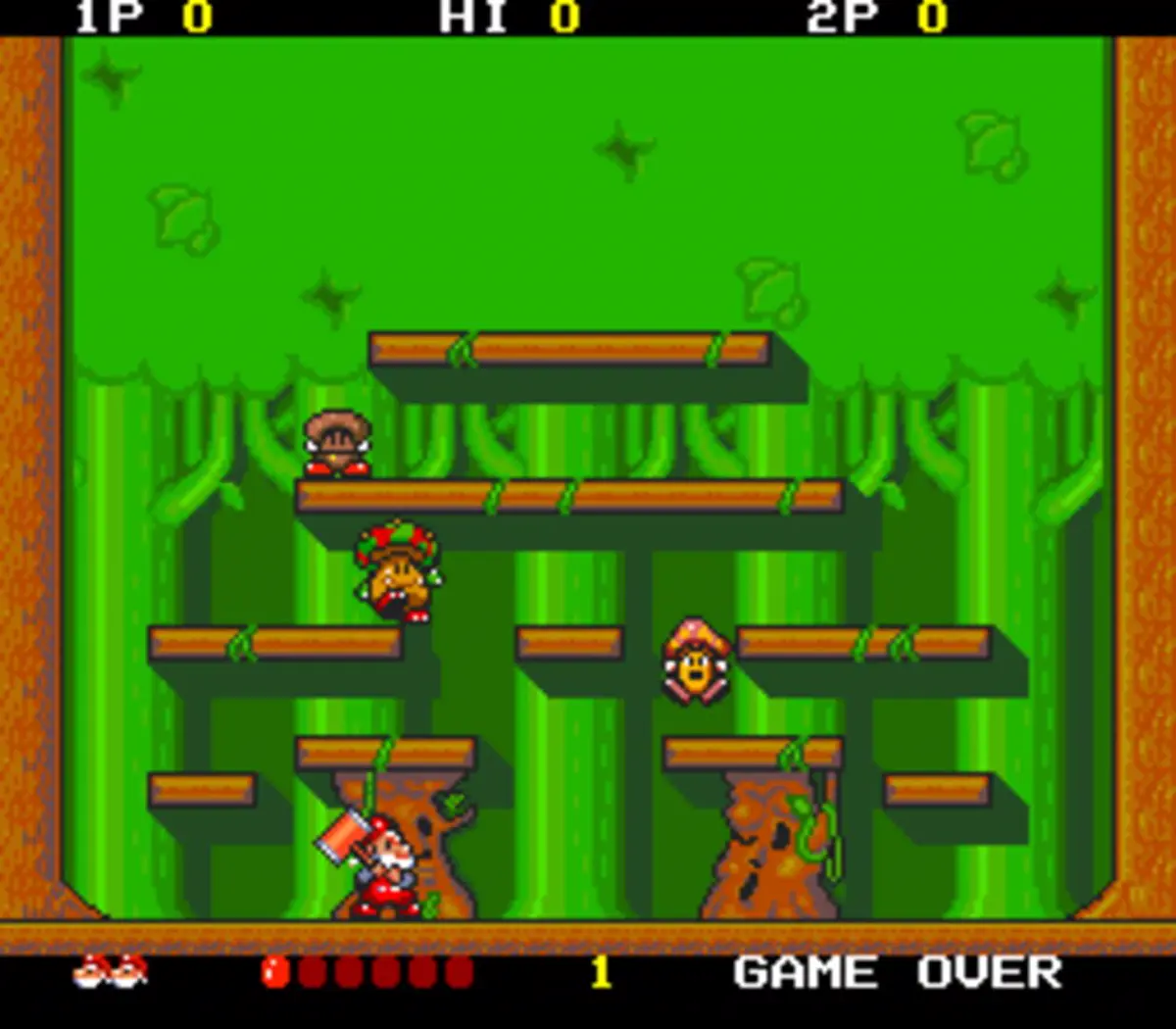
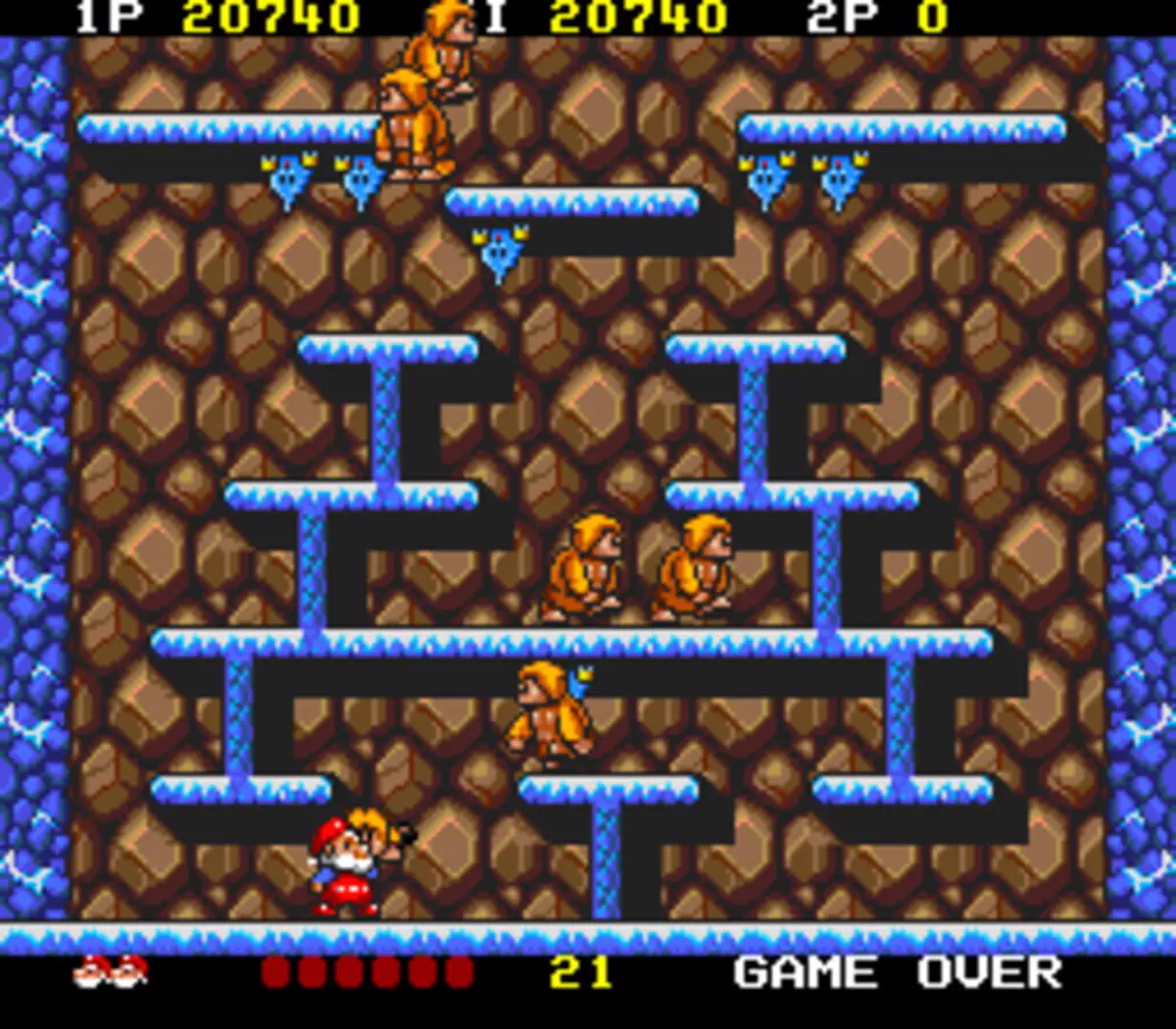
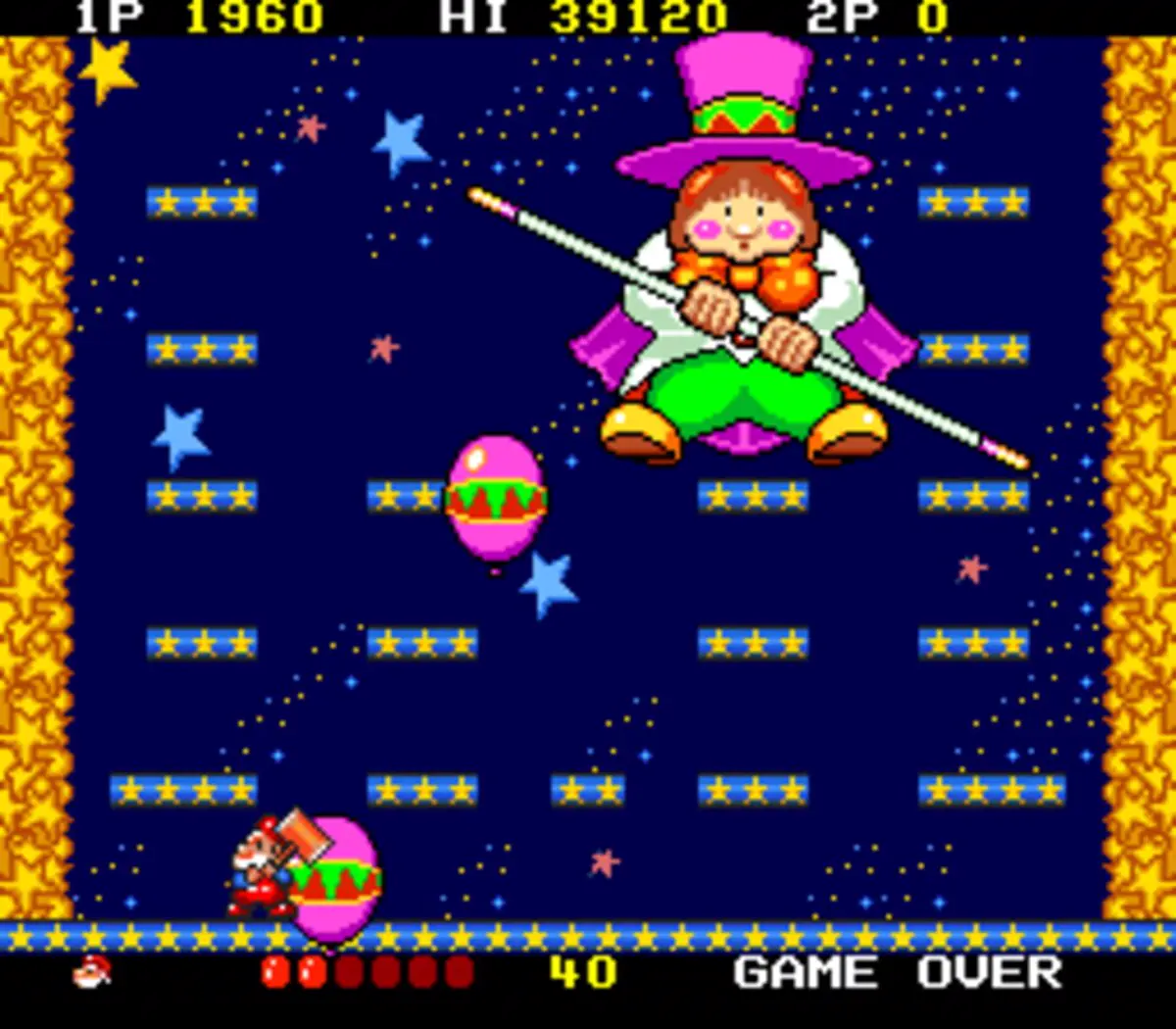
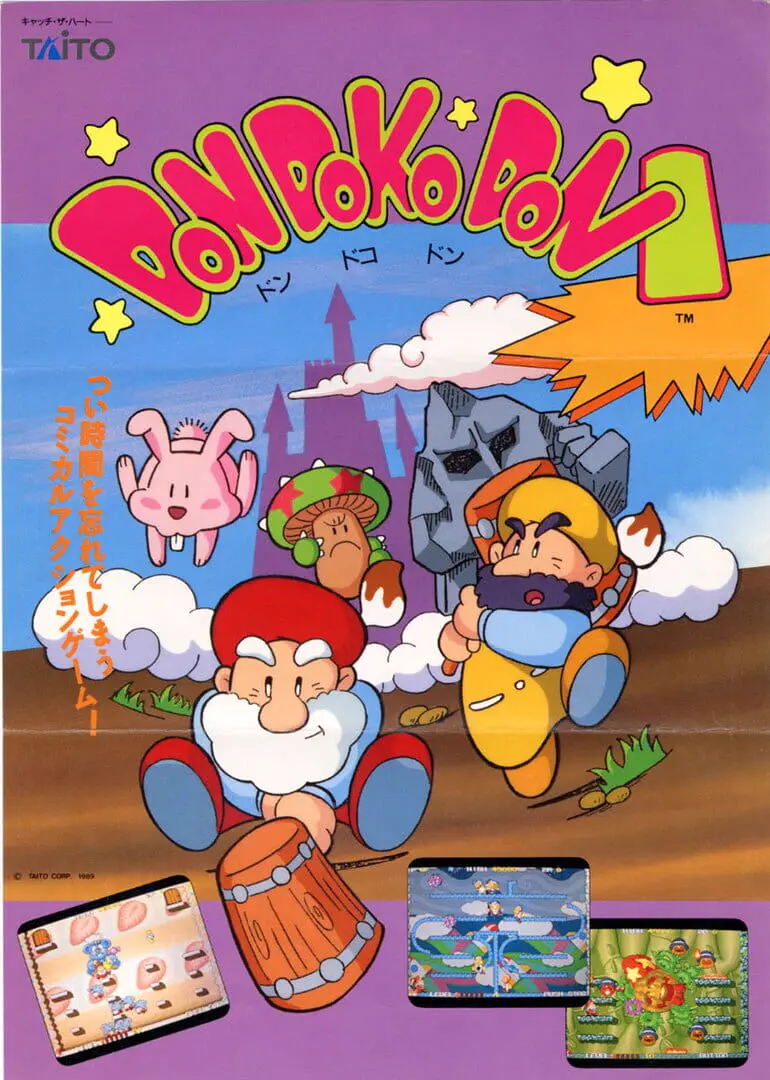
Don Doko Don is a 1989 platform video game developed and published by Taito for arcades. In the game, the player(s) control two lumberjacks, Bob and Jim, with the objective being to clear the screen of all the enemies. Bob and Jim use their mallets to stun the enemies, pick up the enemies, then throw them at a wall, or other enemies to kill them off, resulting in bonus points. Bonus items also appear during stages that will have varying effects on the players.
From the Wikipedia article Don Doko Don, by its contributors, under CC BY-SA 4.0.
Developer and publisher
Taito Developer and Publisher
Japanese toy and video game company
Based in Shinjuku · founded 1953 · 69 other games here
Operation Night Strikers, Bubble Bobble Sugar Dungeons, QQQbeats!!!, Taito Milestones 3 · all 70
Platforms and release dates
| Platform | Released |
|---|---|
| Nintendo Entertainment System | March 9, 1990 (Japan) |
| arcade video game machine | – |
| TurboGrafx-16 | – |
| Platform not recorded | 1989 |
Details
| Genre | action game |
|---|---|
| Country | Japan |
What critics say
Is Don Doko Don worth playing?
One critic scored Don Doko Don 80 out of 100. That makes its GameRaven score 8.0 out of 10. See every critic score.
Critic scores by outlet
| Outlet | Score | Out of 100 | Version | Date |
|---|---|---|---|---|
| Gen4 | 8/10 | 80 | TurboGrafx-16 | – |
Scores as recorded on Wikidata, with the outlet's own link where Wikidata cites one. User ratings are not listed.
No community posts about Don Doko Don yet. Write the first: a guide, an analysis or an opinion piece. Your post gets a page of its own.
Community clips
See allCommunity images
See allNo community reviews yet. Be the first to review Don Doko Don: a score out of 10, what works, what doesn't.
How the score works
8.0GameRaven score = Critics 100%
- Critics8.0100%
- Community–0%
The GameRaven score of 8.0 is the critics' average, from 1 critic, until members review the game. Community reviews and votes join it as they come in, each counting for more as more people stand behind it. How it's worked out.
Sources
- Facts and critic scores: Wikidata item Q1436430 (CC0), read November 12, 2026. Spotted something wrong? It can be corrected on Wikidata, and the change reaches this page the next time the catalogue is read.
- Summary: Wikipedia, CC BY-SA 4.0.
- Cover art: IGDB.
- How the score is worked out: methodology.