About the game
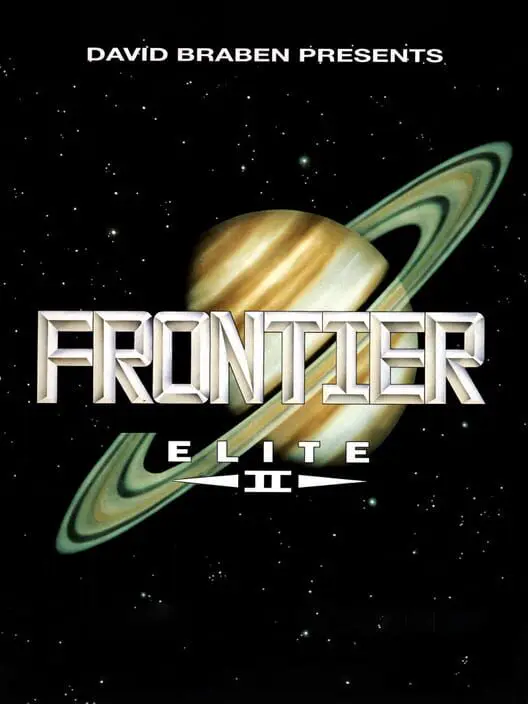
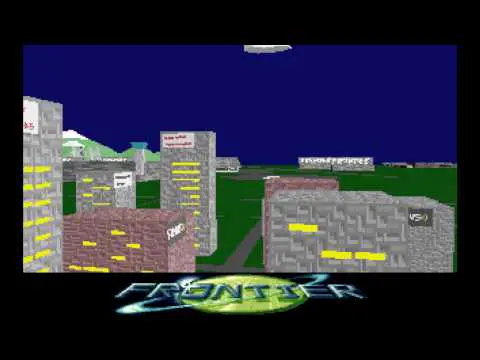
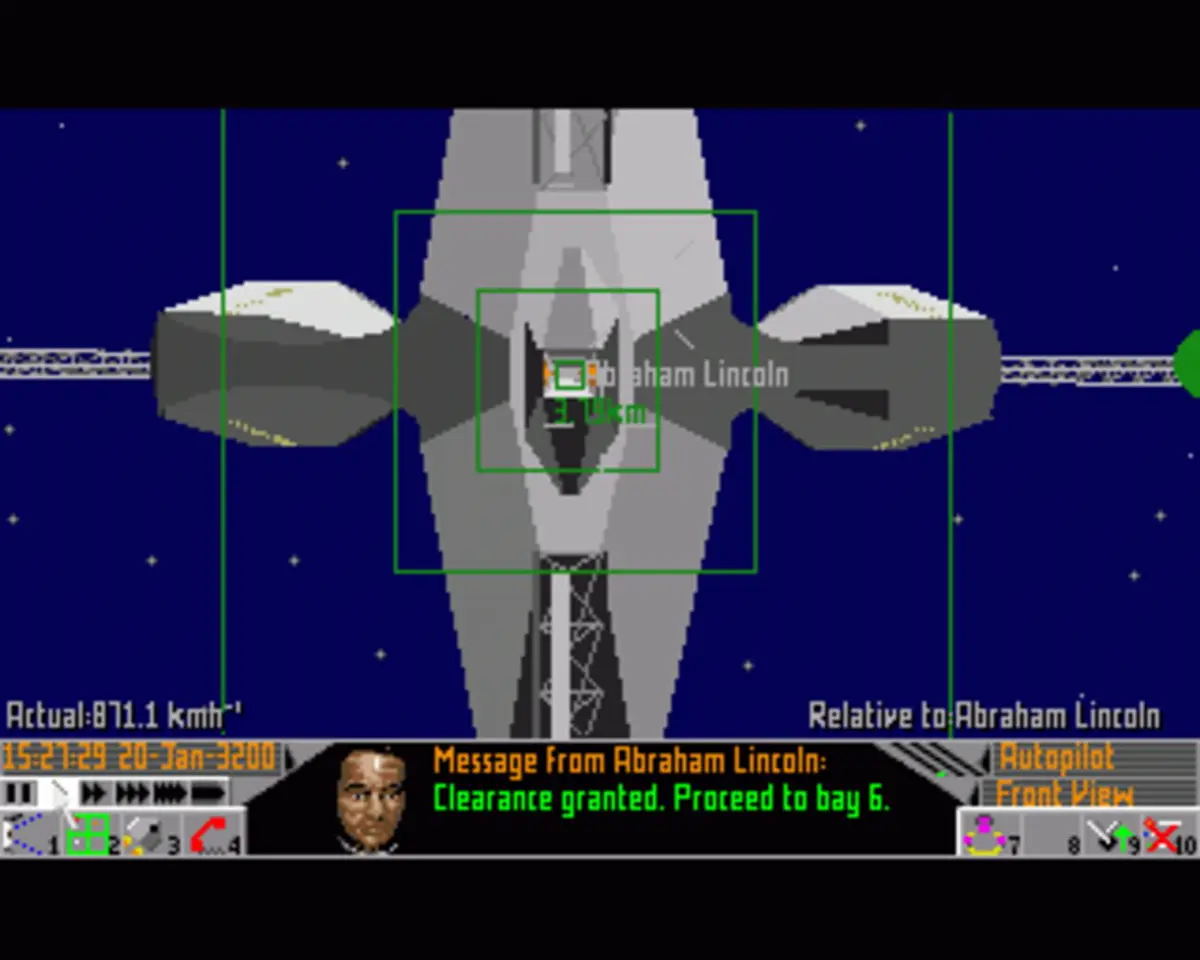
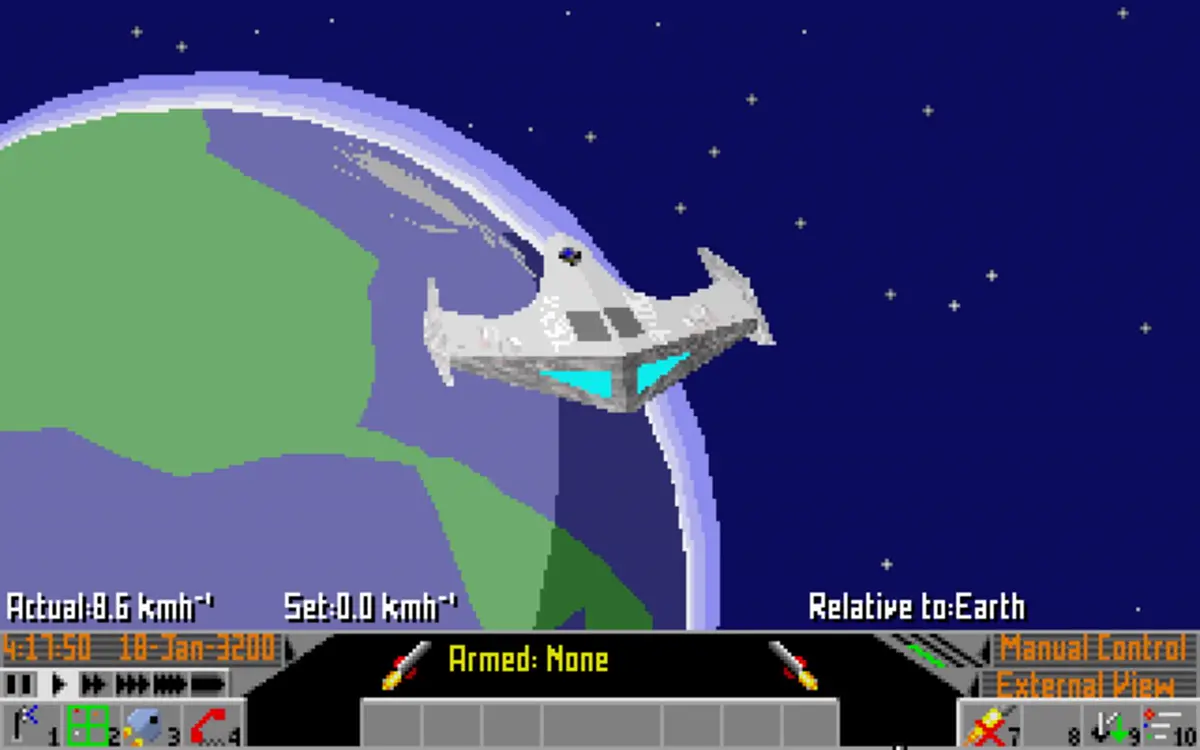
Frontier: Elite II is a space trading and combat simulator video game written by David Braben and published by GameTek and Konami in October 1993 for the Amiga, Atari ST, and MS-DOS. It is the first sequel to the seminal game Elite from 1984. The game retains the open-ended gameplay of Elite, and adds realistic physics and an accurately modelled galaxy.
From the Wikipedia article Frontier: Elite II, by its contributors, under CC BY-SA 4.0.
Developer and publisher
GameTek Developer and Publisher
Video game publisher
Based in North Miami Beach · founded 1987 · 11 other games here
Dark Colony, Netzone, Bureau 13, Frontier: First Encounters · all 12
Platforms and release dates
| Platforms | DOS, Amiga 1200, Atari ST |
|---|---|
| Released | October 1993 |
Details
| Genre | action game, space flight simulation game, space trading and combat game |
|---|---|
| Modes | single-player video game |
| Series | Elite |
| Country | United Kingdom |
What critics say
Is Frontier: Elite II worth playing?
One critic scored Frontier: Elite II 89 out of 100. That makes its GameRaven score 8.9 out of 10. See every critic score.
Critic scores by outlet
| Outlet | Score | Out of 100 | Version | Date |
|---|---|---|---|---|
| Gen4 | 95% | 95 | Commodore Amiga | – |
| Gen4 | 86% | 86 | PC game | – |
| Gen4 | 90% | 90 | Atari ST | – |
| Gen4 | 85% | 85 | Amiga CD32 | – |
Scores as recorded on Wikidata, with the outlet's own link where Wikidata cites one. User ratings are not listed.
No community posts about Frontier: Elite II yet. Write the first: a guide, an analysis or an opinion piece. Your post gets a page of its own.
Community clips
See allCommunity images
See allNo community reviews yet. Be the first to review Frontier: Elite II: a score out of 10, what works, what doesn't.
How the score works
8.9GameRaven score = Critics 100%
- Critics8.9100%
- Community–0%
The GameRaven score of 8.9 is the critics' average, from 1 critic, until members review the game. Community reviews and votes join it as they come in, each counting for more as more people stand behind it. How it's worked out.
Sources
- Facts and critic scores: Wikidata item Q1470234 (CC0), read November 12, 2026. Spotted something wrong? It can be corrected on Wikidata, and the change reaches this page the next time the catalogue is read.
- Summary: Wikipedia, CC BY-SA 4.0.
- Cover art: IGDB.
- How the score is worked out: methodology.