Where to buy Noita
Amazon links are affiliate links: as an Amazon Associate we earn from qualifying purchases.
About the game
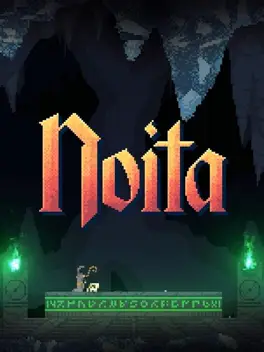
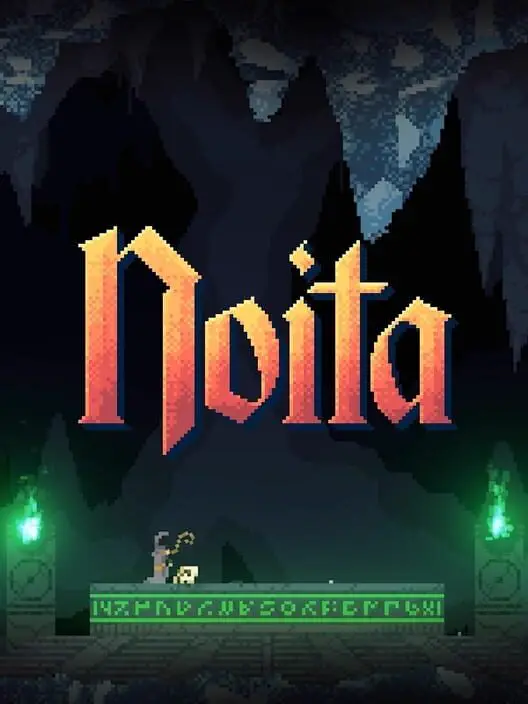
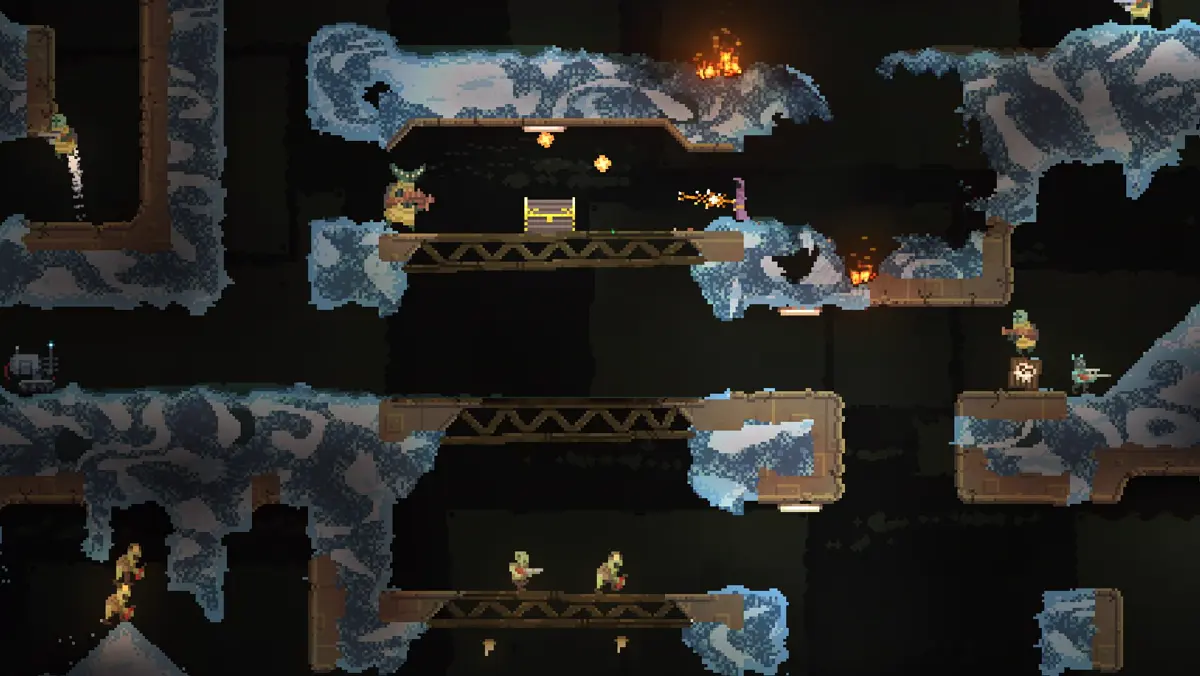
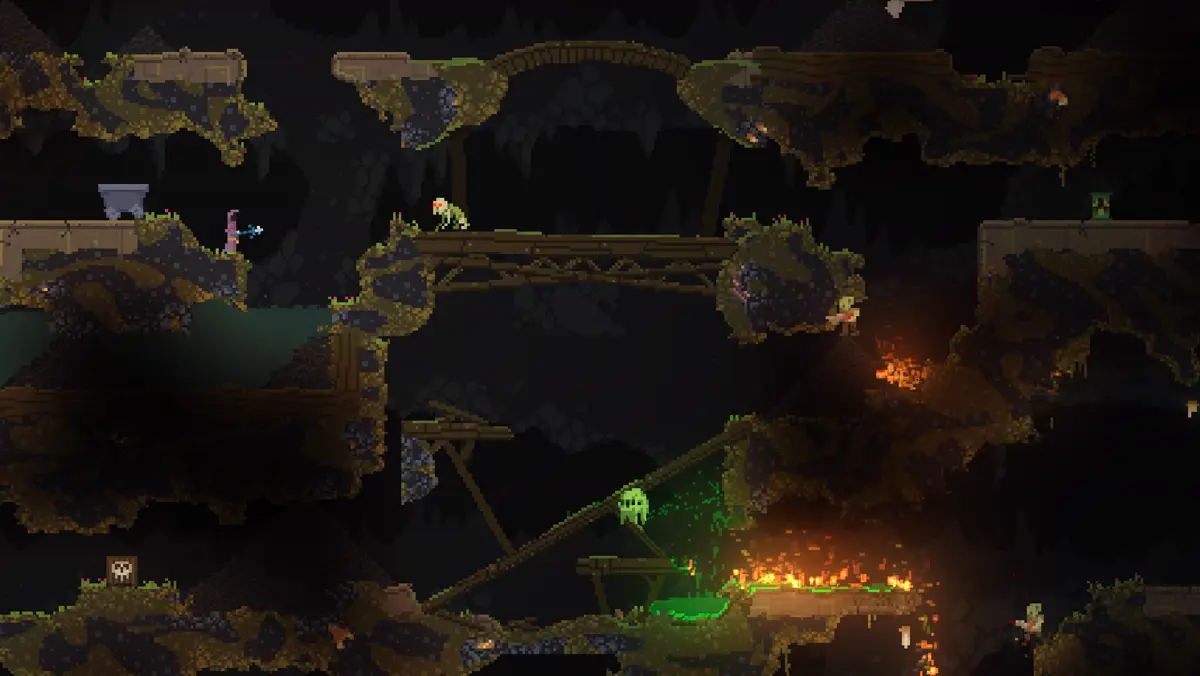
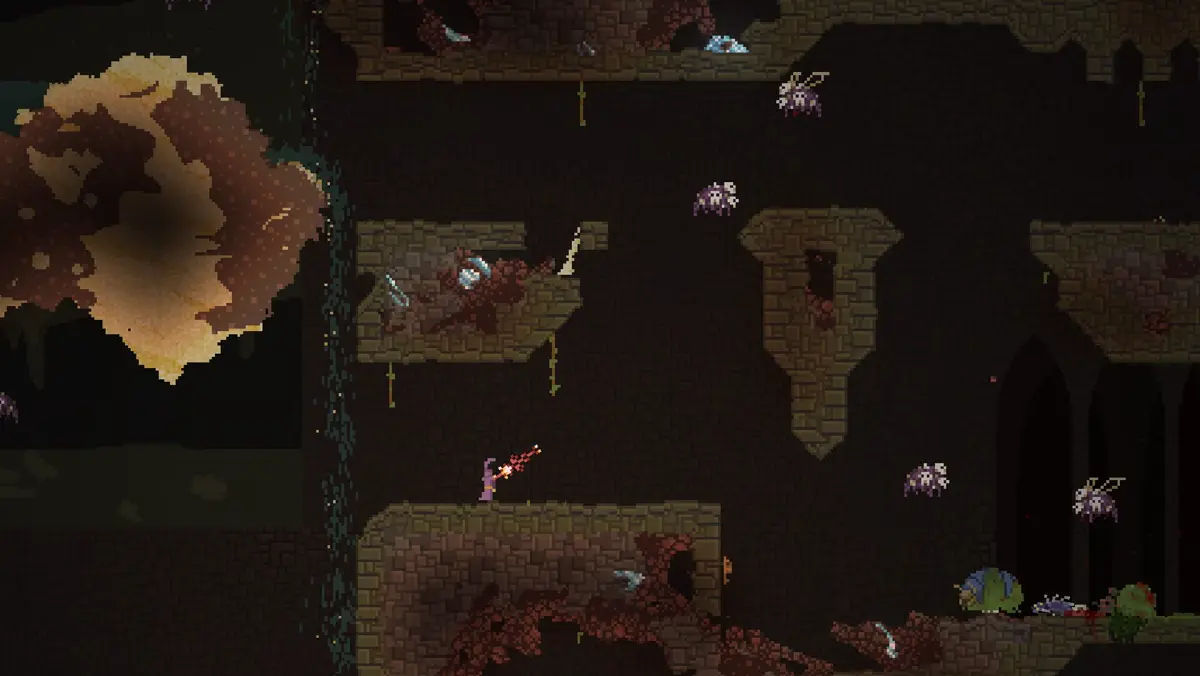
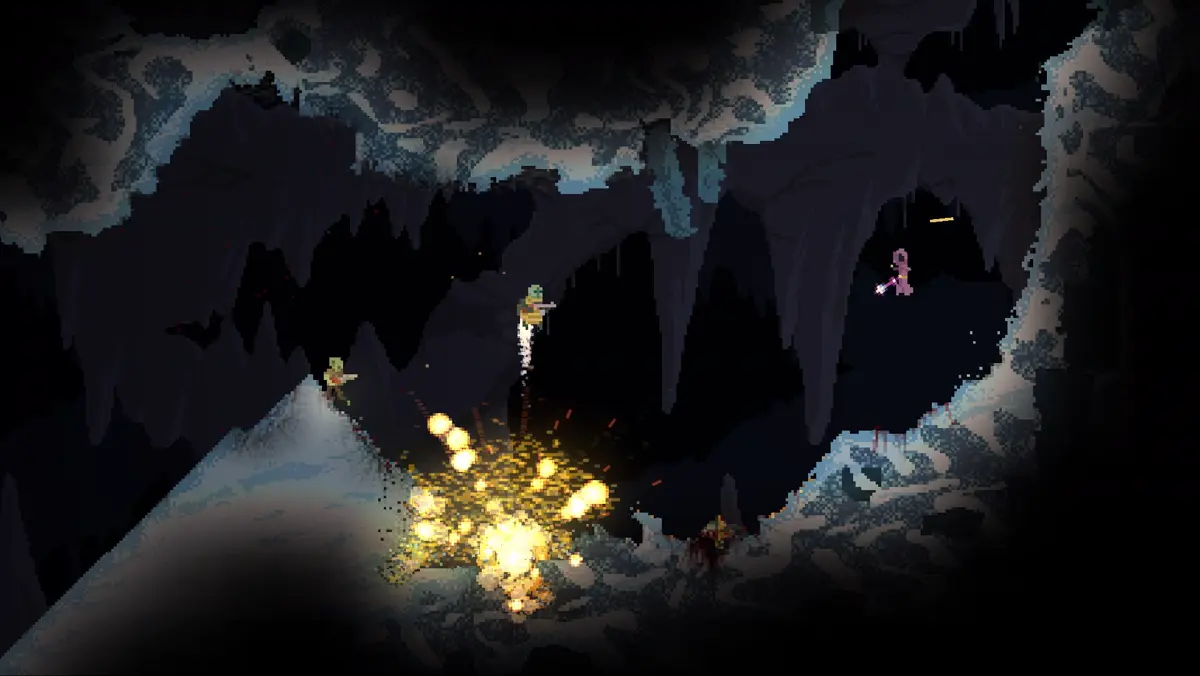
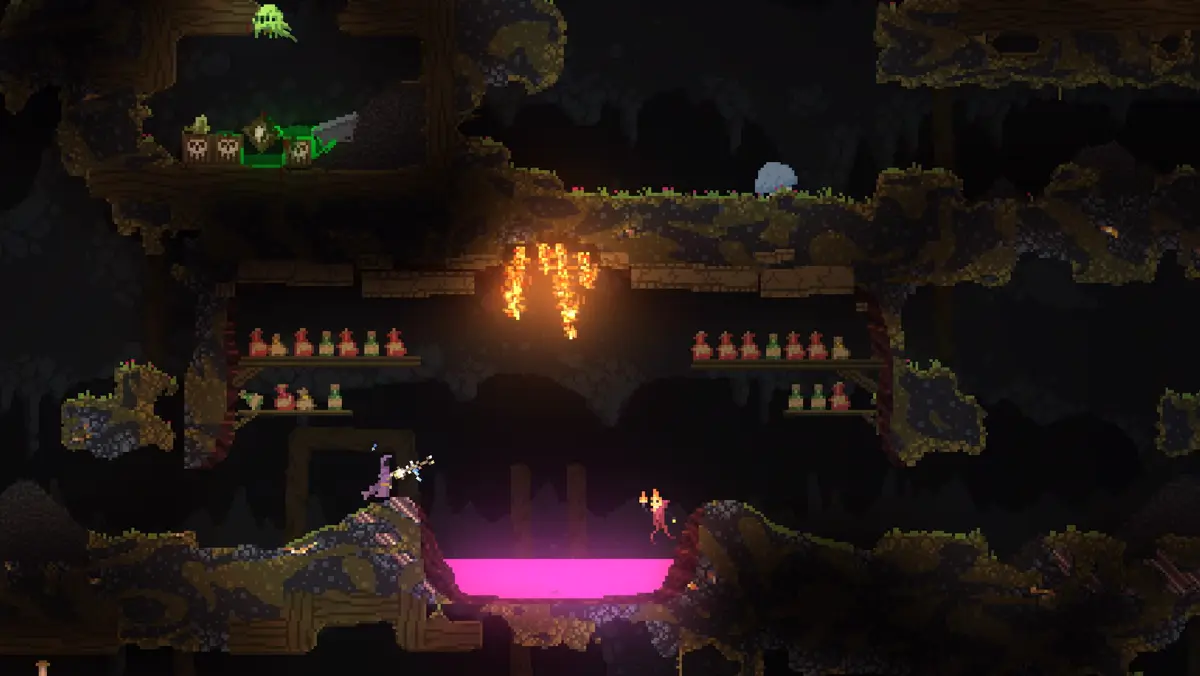
Noita is a 2020 platformer and roguelike game developed by Nolla Games. Players control a witch, called minä in the in game bestiary, that can collect and cast spells with wands in order to defeat enemies named after Finnish mythological creatures. The main game leads the player down a series of pseudorandomly generated areas ending in a boss fight, although the game contains much more secret and supplementary content. It was released in early access for Microsoft Windows on 24 September 2019, with the official 1.0 release on 15 October 2020.
From the Wikipedia article Noita (video game), by its contributors, under CC BY-SA 4.0.
Developer and publisher
Nolla Games Developer and Publisher
Video game developer
Based in Helsinki · founded 2016 · 0 other games here
Platforms and release dates
| Platforms | Microsoft Windows |
|---|---|
| Released | September 24, 2019 October 15, 2020 |
PC system requirements
Not added yet.
Details
| Genre | action game, action-adventure game, roguelike, falling-sand game |
|---|---|
| Modes | single-player video game |
| Sold on | Steam, GOG.com, Humble Store, itch.io |
| Country | Finland |
| Official site | noitagame.com |
What critics say
Noita makes every pixel a physics problem and builds a roguelike on top
Nolla Games kept the classic dungeon descent and changed what the dungeon is made of. Critics mostly approved, and awards juries noticed early.
Is Noita worth it?
Noita keeps a familiar roguelike structure: a run downward through eight biomes, shops between floors and a boss at the bottom. What it changes is the world itself. Nearly every pixel is simulated, so fire, liquids and smoke can win a fight or lose one. Critics scored it around 80 out of 100, and awards juries kept nominating it for innovation and technology. If you can accept dying to your own fire, play it.
Best for: For players who like roguelike runs and enjoy experimenting with systems, and who find a burning, collapsing cave funny rather than unfair. If you want each death to feel like it was the game's fault, look elsewhere.
Written from the published record (critics' reviews, the developer's documentation and the game's history), not a hands-on playthrough. How these are written.
What critics praised
- A physics simulation where fire, liquids, smoke and steam all react to each other[1]
- Liquid mixing and kickable objects give you more tools than spells alone[1]
- Holy Mountain perks offer real trade-offs, such as lower max HP for more damage[1]
- A setting drawn from Finnish mythology and the Kalevala, plus a lot of secret content[1]
- Strong reviews and a long list of awards for innovation and technology[1]
Critic scores by outlet
| Outlet | Score | Out of 100 | Version | Date |
|---|---|---|---|---|
| CriticDB aggregate of 9 | 80/100 | 80 | Microsoft Windows | – |
| OpenCritic aggregate of 20 | 79/100 | 79 | – | November 19, 2020 |
OpenCritic: 74% of critics recommend it.
Scores as recorded on Wikidata, with the outlet's own link where Wikidata cites one. User ratings are not listed.
- AnalysisNoita makes every pixel a physics problem and builds a roguelike on top
Noita comes from Nolla Games, which both developed and published it. It went into early access on Microsoft Windows on September 24, 2019, and the 1.0 release followed on October 15, 2020. Windows is…
Community clips
See allCommunity images
See allNo community reviews yet. Be the first to review Noita: a score out of 10, what works, what doesn't.
How the score works
8.0GameRaven score = Critics 100%
- Critics8.0100%
- Community–0%
The GameRaven score of 8.0 is the critics' average, from critic aggregates, until members review the game. Community reviews and votes join it as they come in, each counting for more as more people stand behind it. How it's worked out.
Sources
References
- Wikipedia: Noita (video game) en.wikipedia.org
Where the rest comes from
- Facts and critic scores: Wikidata item Q68680176 (CC0), read November 12, 2026. Spotted something wrong? It can be corrected on Wikidata, and the change reaches this page the next time the catalogue is read.
- Summary: Wikipedia, CC BY-SA 4.0.
- Cover art: IGDB.
- Critics' overview written from: Wikipedia: Noita (video game), CC BY-SA 4.0.
- Critics' overview written from: Wikidata: Q68680176, CC0.
- How the score is worked out: methodology.