



Where to buy Omori
Amazon links are affiliate links: as an Amazon Associate we earn from qualifying purchases.
About the game
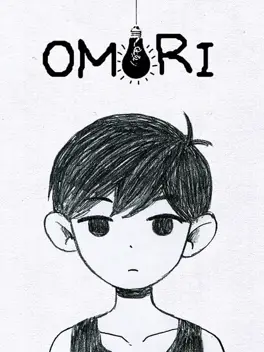
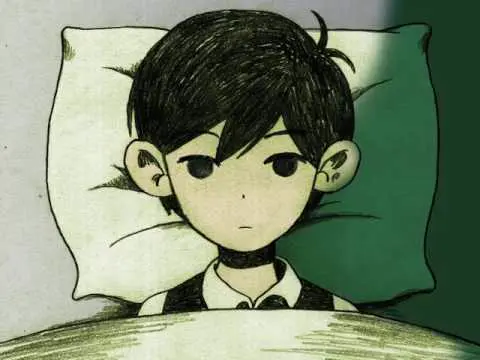
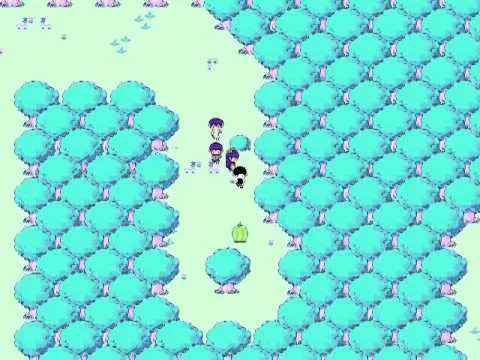
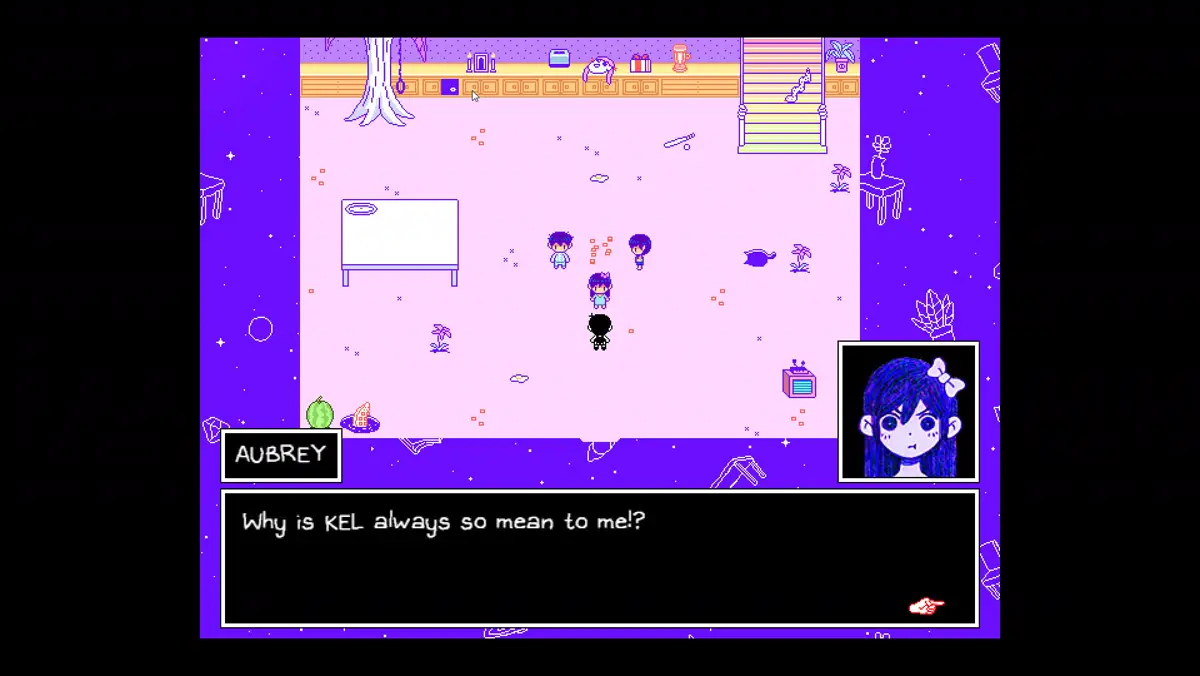
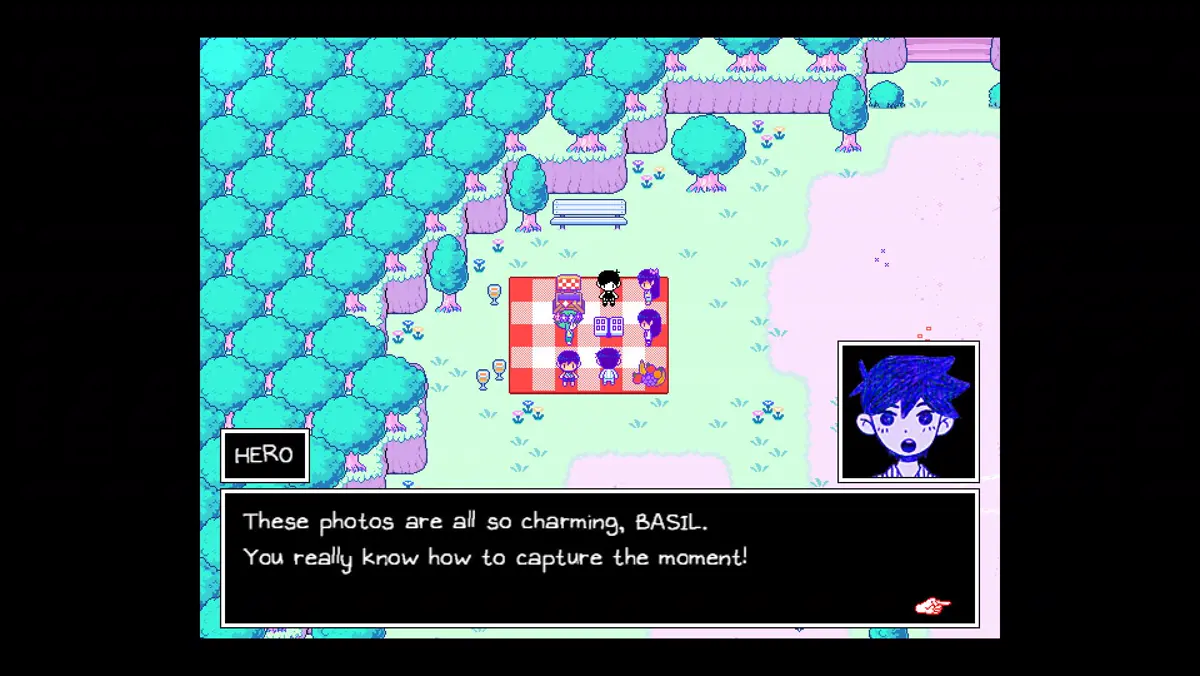
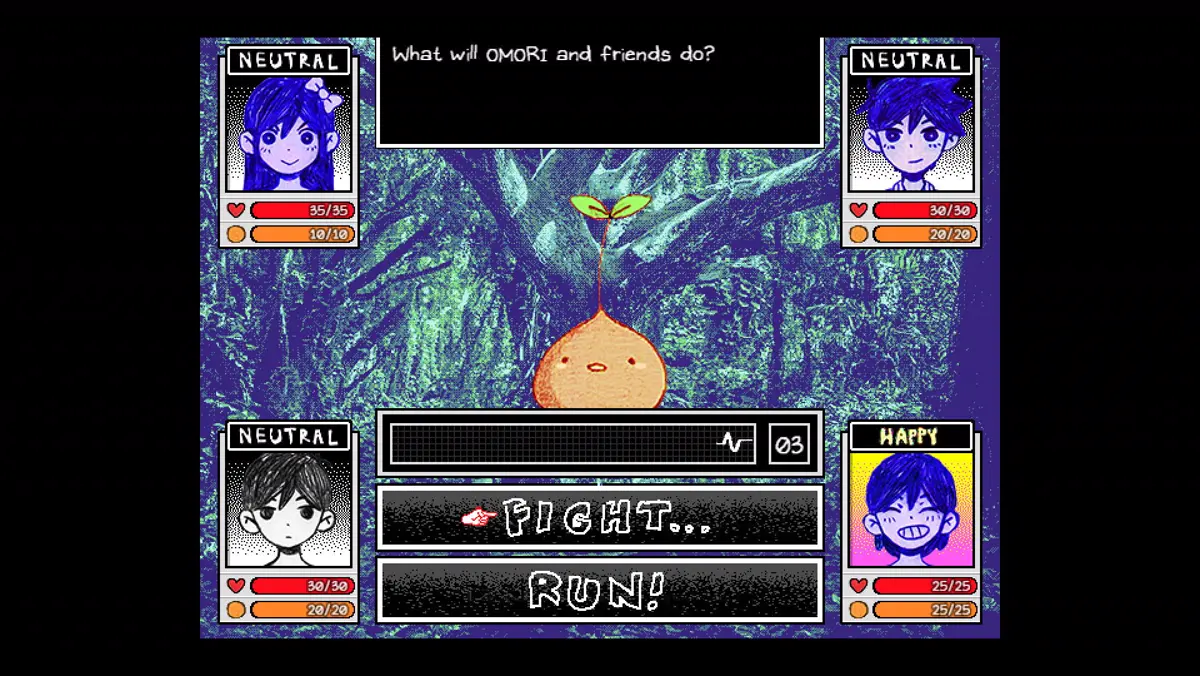
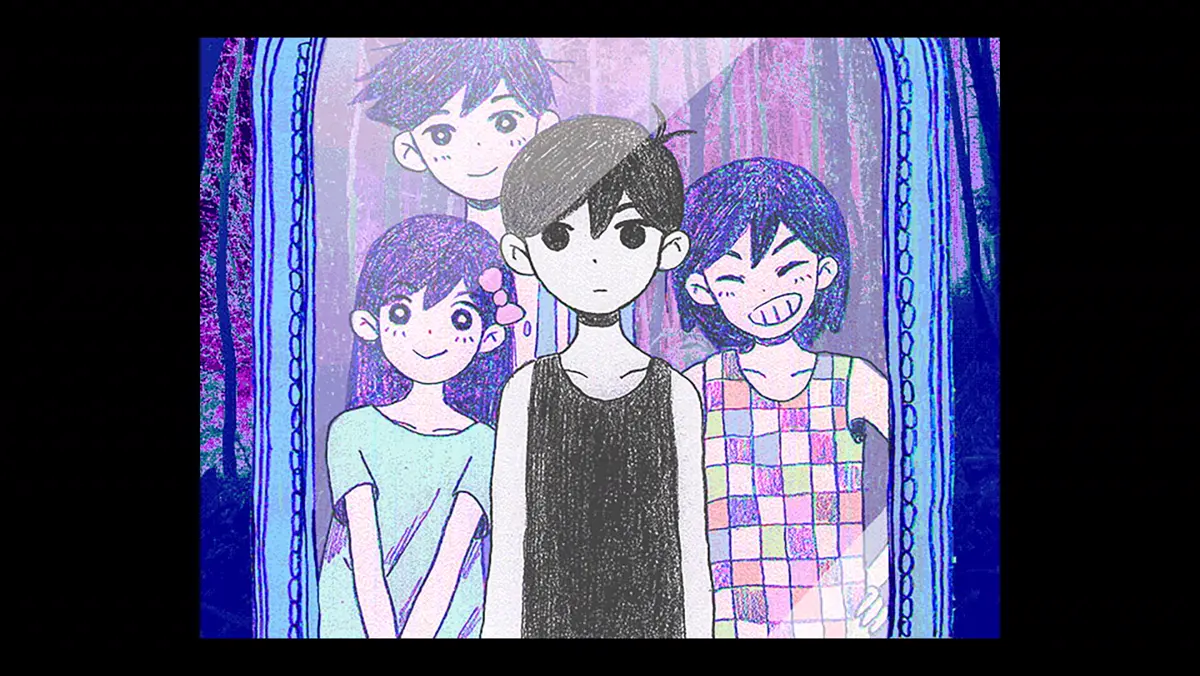
Omori is a 2020 role-playing video game developed and published by indie studio Omocat. The player controls a reclusive hikikomori boy named Sunny and his dream world alter ego Omori. Gameplay is split into two settings: Sunny's activities in Faraway Town and Omori's exploration of a surreal dream world. How Sunny and Omori interact depends on choices made by the player, resulting in one of several endings, in which Sunny either overcomes or suppresses his fears and repressed memories. The game's turn-based battle system includes unconventional status effects based on characters' emotions. Prominently portraying concepts such as anxiety, depression, psychological trauma, self-harm, and suicide, the game features strong psychological horror elements.
From the Wikipedia article Omori (video game), by its contributors, under CC BY-SA 4.0.
Developer and publisher
Playism Publisher
Game distribution platform
Based in Osaka · founded 2011 · 34 other games here
Homura Hime, MotionRec, No Case Should Remain Unsolved, Refind Self: The Personality Test Game · all 35
Platforms and release dates
| Platform | Released |
|---|---|
| Microsoft Windows | December 25, 2020 (worldwide) |
| macOS | December 25, 2020 (worldwide) |
| PlayStation 4 | – |
| Xbox One | June 17, 2022 |
| Nintendo Switch | June 17, 2022 |
| Xbox Series X and Series S | June 17, 2022 |
PC system requirements
Not added yet.
Details
| Genre | psychological horror fiction, role-playing video game |
|---|---|
| Modes | single-player video game |
| Engine | RPG Maker MV |
| Sold on | Steam, Microsoft Store, Nintendo eShop |
| Country | United States |
| Age rating | Mature 17+, PEGI 18 |
| Official site | omori-game.com |
What critics say
Omori makes emotions the status effects in a game about anxiety
A dark, dreamlike role-playing game that critics loved for its writing and art, even when they disagreed about whether its battles pull their weight.
Is Omori worth it?
Omori is a story-first role-playing game. Critics praised its handling of anxiety, depression and trauma, along with its unsettling art. Its emotion-based combat is clever, but several reviewers found it too easy, and the slow middle stretch tested some of them. If you can handle heavy subject matter, play it.
Best for: Adults who want a story-heavy role-playing game that takes mental health seriously and can handle psychological horror, especially fans of EarthBound, Undertale or Yume Nikki. If you want deep tactical combat above everything else, look somewhere else.
Written from the published record (critics' reviews, the developer's documentation and the game's history), not a hands-on playthrough. How these are written.
What critics praised
- An emotion-based status system that sets it apart from other turn-based role-playing games[1]
- Critics widely praised how it handles anxiety and depression[1]
- Striking art, with a mix of styles that makes the monsters more frightening[1]
- Choices lead to several endings with very different outcomes for Sunny[1]
- The dream world and the real world each have their own feel and economy[1]
Critic scores by outlet
| Outlet | Score | Out of 100 | Version | Date |
|---|---|---|---|---|
| OpenCritic aggregate of 10 | 86/100 | 86 | – | August 11, 2023 |
OpenCritic: 100% of critics recommend it.
Scores as recorded on Wikidata, with the outlet's own link where Wikidata cites one. User ratings are not listed.
- AnalysisOmori makes emotions the status effects in a game about anxiety
Fights in Omori are turn-based, with each party member taking one action per round. The twist is how status effects work. Instead of poison or paralysis, characters and enemies shift between…
Community clips
See allCommunity images
See allNo community reviews yet. Be the first to review Omori: a score out of 10, what works, what doesn't.
How the score works
8.6GameRaven score = Critics 100%
- Critics8.6100%
- Community–0%
The GameRaven score of 8.6 is the critics' average, from critic aggregates, until members review the game. Community reviews and votes join it as they come in, each counting for more as more people stand behind it. How it's worked out.
Sources
References
- Wikipedia: Omori (video game) en.wikipedia.org
Where the rest comes from
- Facts and critic scores: Wikidata item Q105618699 (CC0), read November 12, 2026. Spotted something wrong? It can be corrected on Wikidata, and the change reaches this page the next time the catalogue is read.
- Summary: Wikipedia, CC BY-SA 4.0.
- Cover art: IGDB.
- Critics' overview written from: Wikipedia: Omori (video game), CC BY-SA 4.0.
- Critics' overview written from: Wikidata: Q105618699, CC0.
- How the score is worked out: methodology.