Where to buy Radiant Historia
Amazon links are affiliate links: as an Amazon Associate we earn from qualifying purchases.
About the game
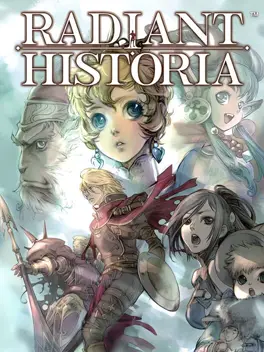
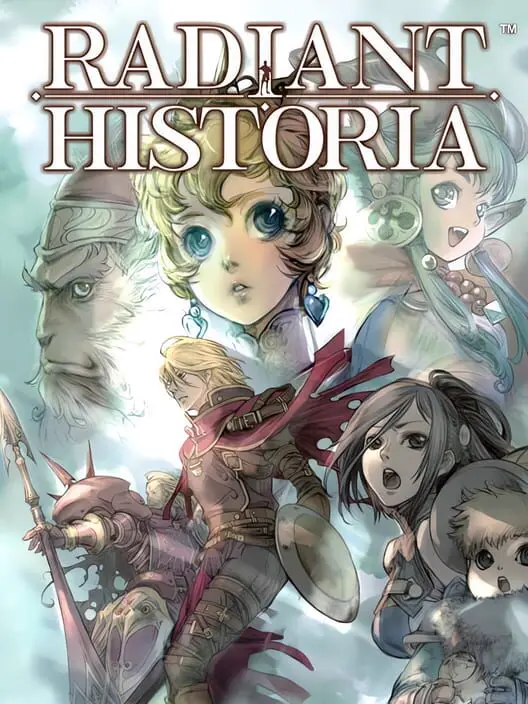
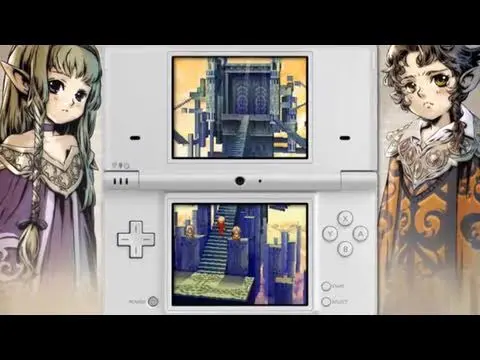
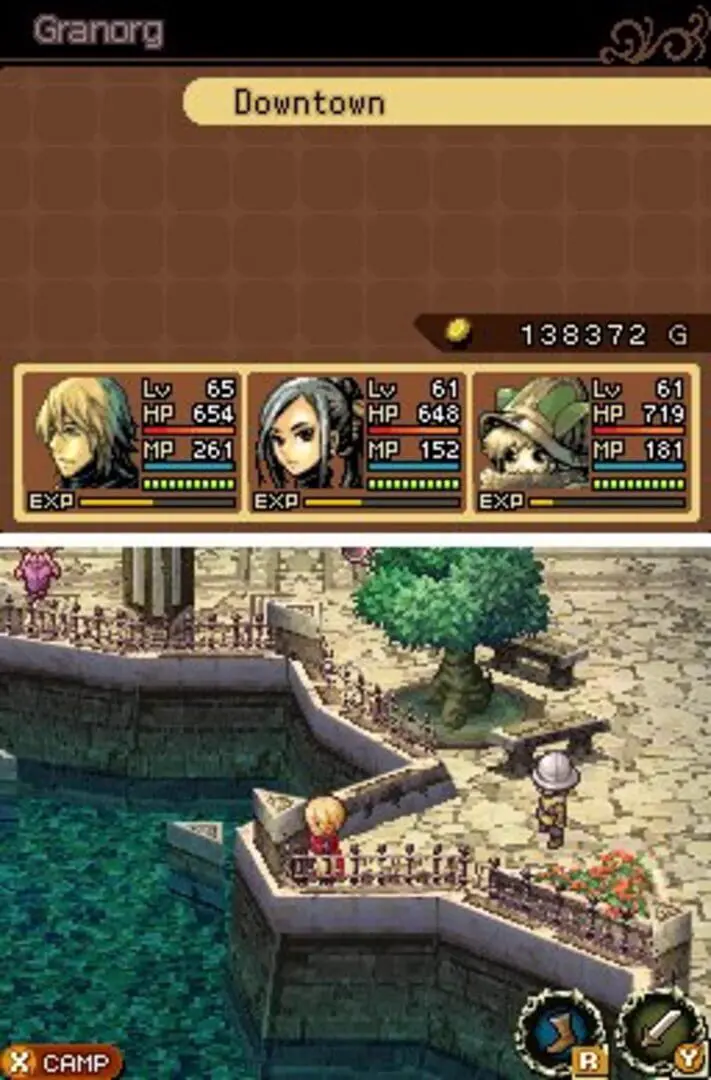
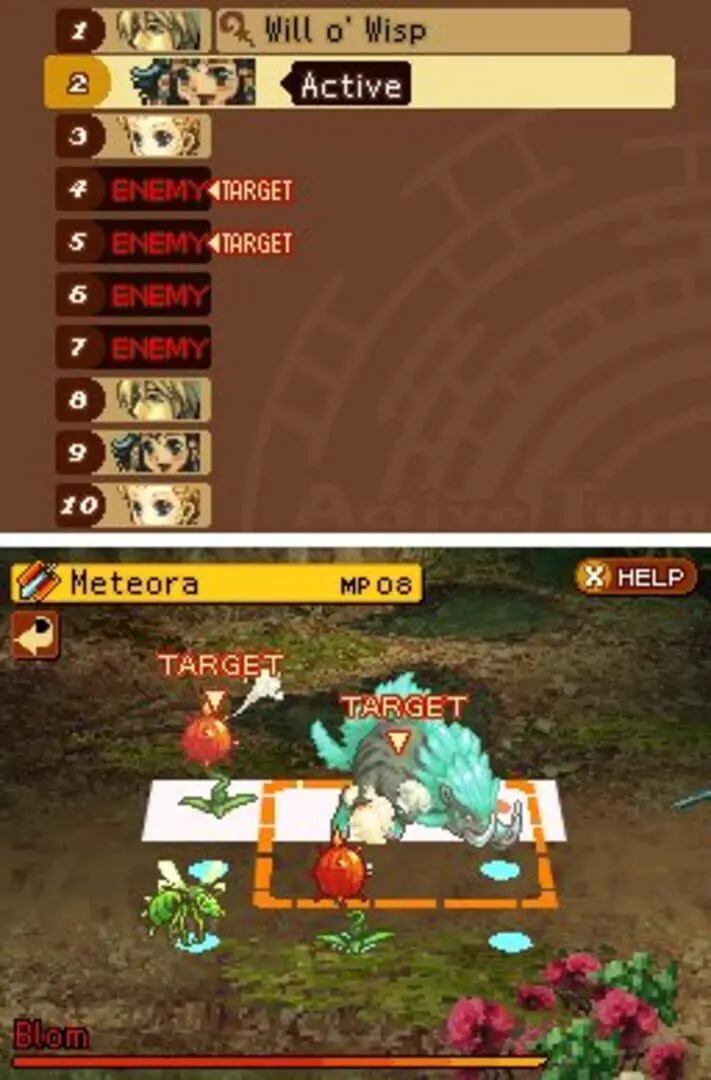
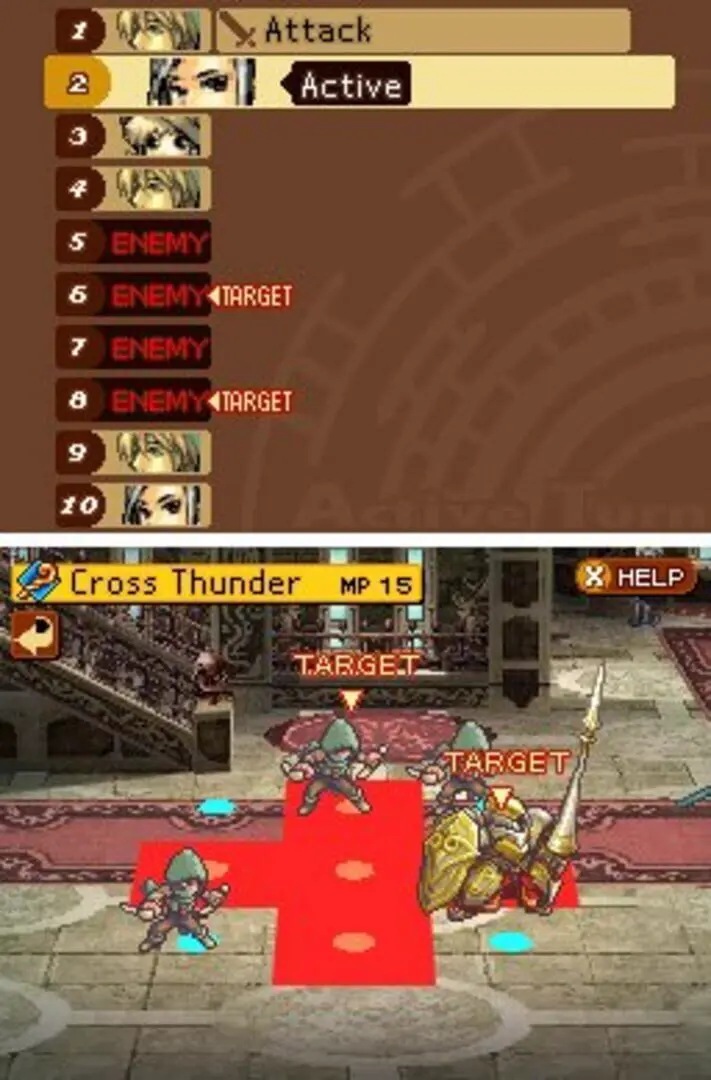
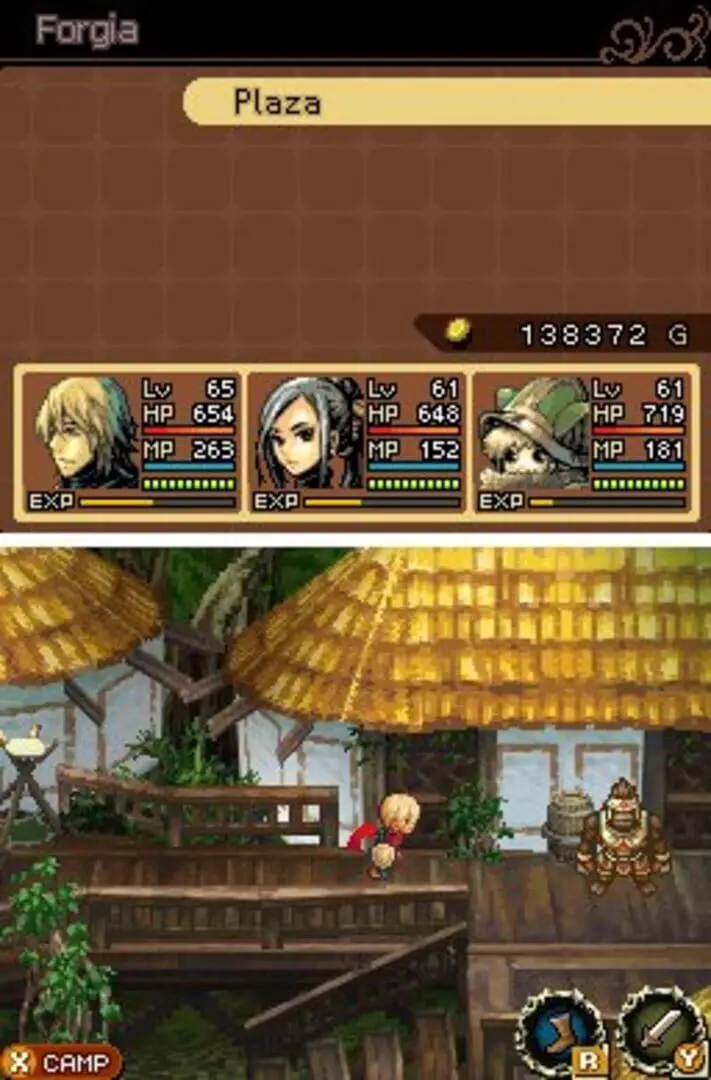
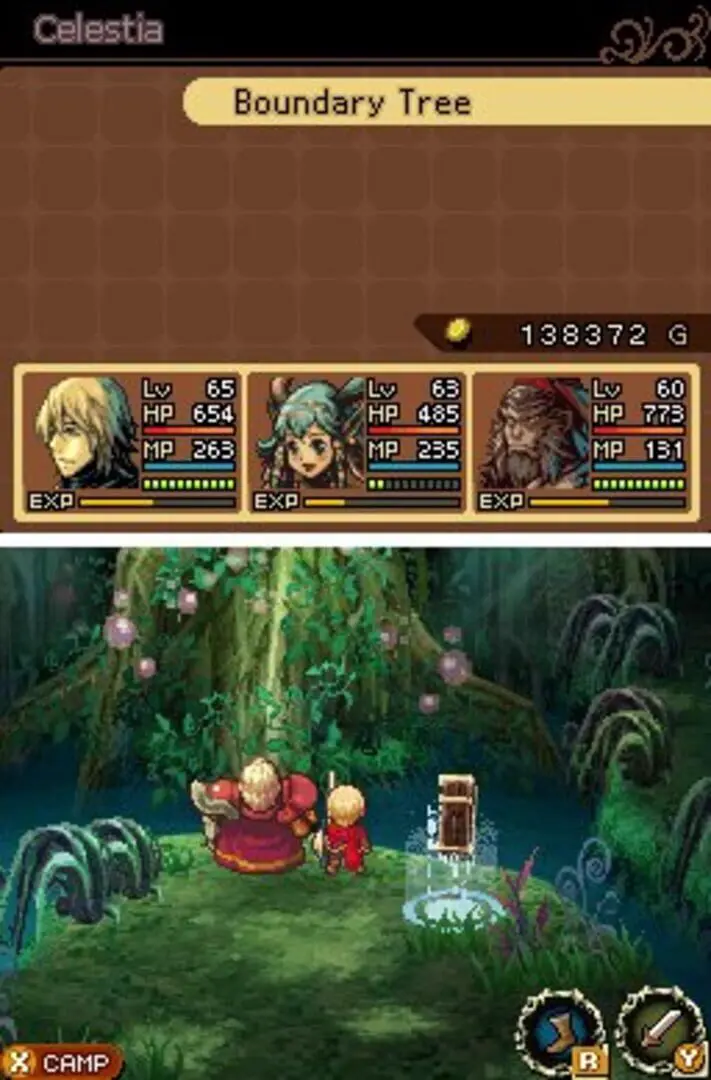
Radiant Historia is a role-playing video game developed by Atlus and Headlock and published by Atlus for the Nintendo DS. It was released in Japan in 2010 and in North America in 2011. An expanded remake for the Nintendo 3DS, titled Radiant Historia: Perfect Chronology, was released in Japan in 2017 and in North America and Europe the following year, with the European version being published by Deep Silver.
From the Wikipedia article Radiant Historia, by its contributors, under CC BY-SA 4.0.
Developer and publisher
Atlus Developer and Publisher
Japanese video game company
Based in Tokyo · founded 2013 · 49 other games here
Persona 4 Revival, Raidou Remastered: The Mystery of the Soulless Army, Persona 3 Reload, Metaphor: ReFantazio · all 50
Platforms and release dates
| Platforms | Nintendo DS |
|---|---|
| Released | November 3, 2010 |
Details
| Genre | role-playing video game |
|---|---|
| Modes | single-player video game |
| Country | Japan |
| Age rating | Everyone 10+ |
| Official site | atlus.com |
What critics say
Radiant Historia turns two clashing timelines into one sharp RPG puzzle
A Nintendo DS role-playing game where a book of time travel lets you fix one war-torn timeline using what you learned in the other.
Is Radiant Historia worth it?
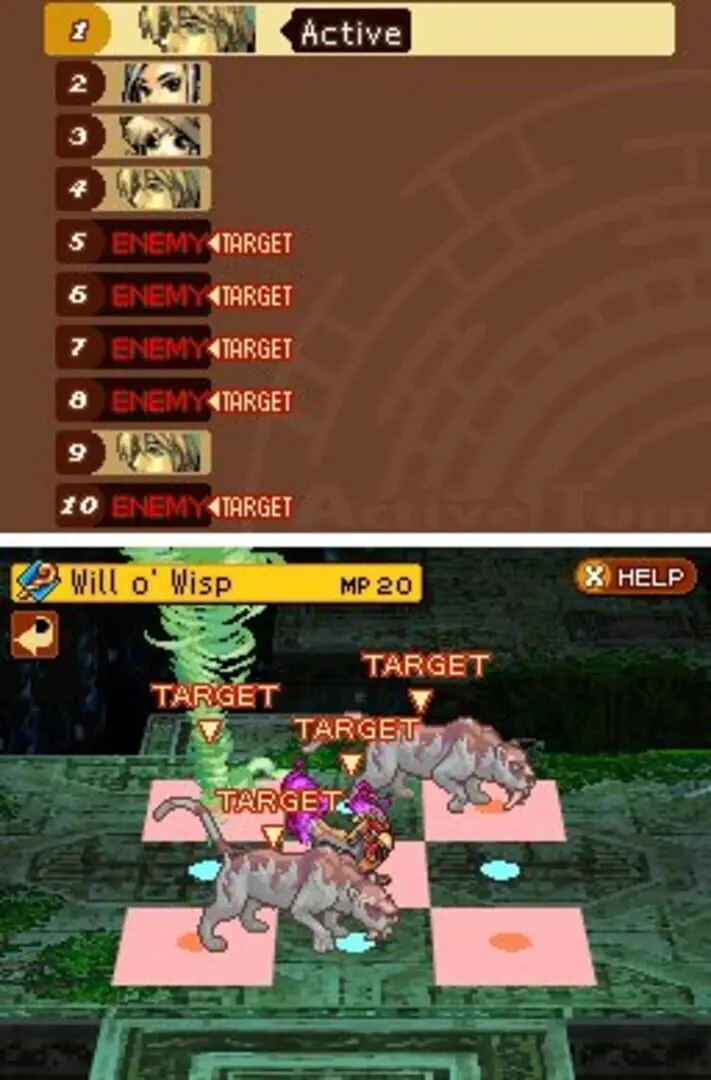
Radiant Historia is built on two timelines that depend on each other, and critics found that the idea mostly holds up. The structure is tight, and the turn-based battles put enemy position at the center of every fight. Some reviewers found the backtracking and the narrow paths between branches tiresome, and the old-style art split opinion. Anyone who likes traditional role-playing games should play it.
Best for: Fans of classic turn-based RPGs who like a story built as a puzzle and battles that punish careless positioning. Skip it if you want open-ended choices or can't stand replaying scenes.
Written from the published record (critics' reviews, the developer's documentation and the game's history), not a hands-on playthrough. How these are written.
What critics praised
Critic scores by outlet
| Outlet | Score | Out of 100 | Version | Date |
|---|---|---|---|---|
| OpenCritic aggregate of 43 | 85/100 | 85 | – | February 6, 2019 |
OpenCritic: 91% of critics recommend it.
Scores as recorded on Wikidata, with the outlet's own link where Wikidata cites one. User ratings are not listed.
- AnalysisRadiant Historia turns two clashing timelines into one sharp RPG puzzle
The whole game rests on one idea. The war on the continent of Vainqueur splits into two timelines, and the hero, Stocke, carries a book called the White Chronicle that lets him move between them…
Community clips
See allCommunity images
See allNo community reviews yet. Be the first to review Radiant Historia: a score out of 10, what works, what doesn't.
How the score works
8.5GameRaven score = Critics 100%
- Critics8.5100%
- Community–0%
The GameRaven score of 8.5 is the critics' average, from critic aggregates, until members review the game. Community reviews and votes join it as they come in, each counting for more as more people stand behind it. How it's worked out.
Sources
References
- Wikipedia: Radiant Historia en.wikipedia.org
Where the rest comes from
- Facts and critic scores: Wikidata item Q845162 (CC0), read November 12, 2026. Spotted something wrong? It can be corrected on Wikidata, and the change reaches this page the next time the catalogue is read.
- Summary: Wikipedia, CC BY-SA 4.0.
- Cover art: IGDB.
- Critics' overview written from: Wikipedia: Radiant Historia, CC BY-SA 4.0.
- Critics' overview written from: Wikidata: Q845162, CC0.
- How the score is worked out: methodology.