Where to buy The Legend of Zelda: Majora's Mask
Amazon links are affiliate links: as an Amazon Associate we earn from qualifying purchases.
About the game
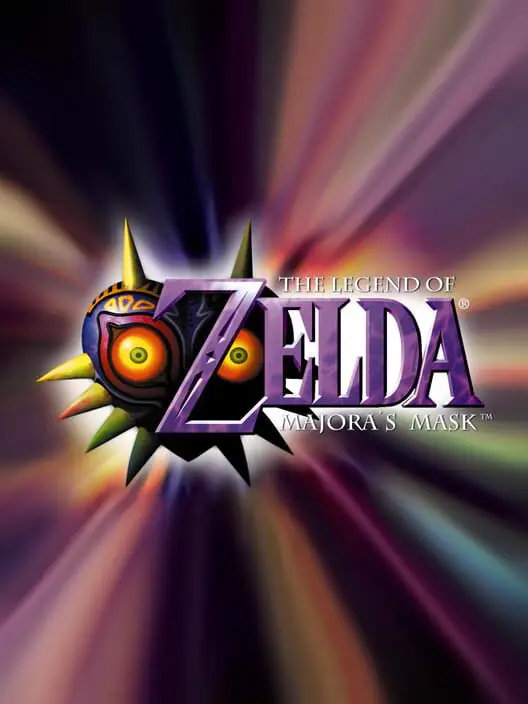
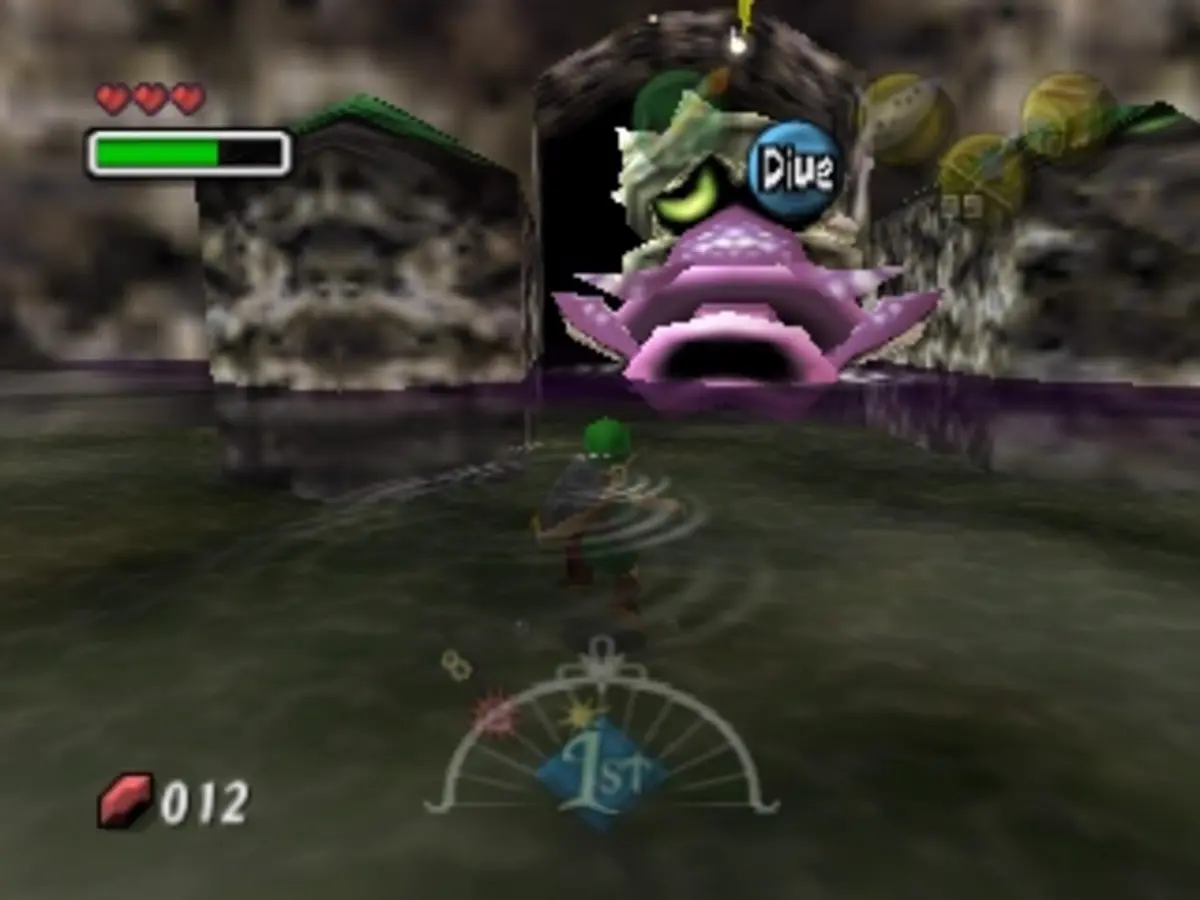
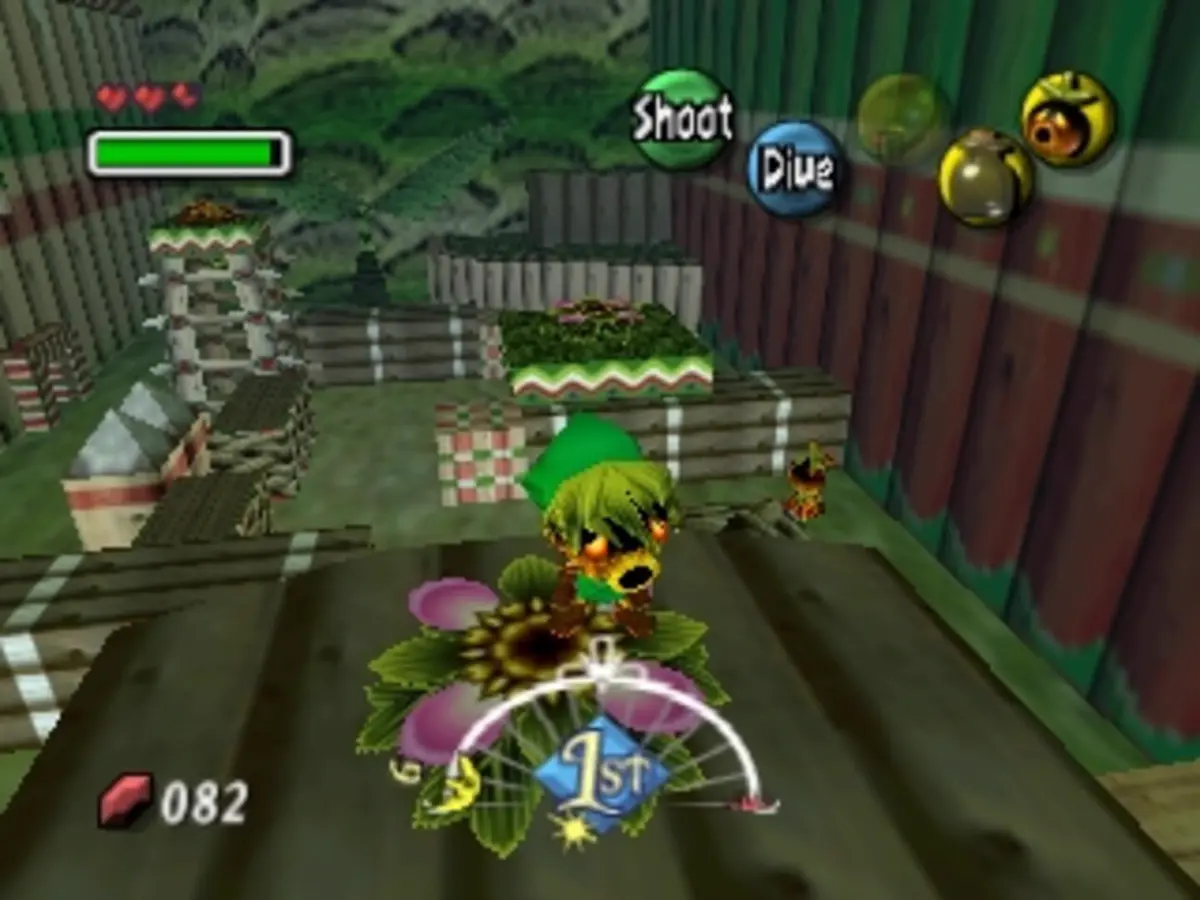
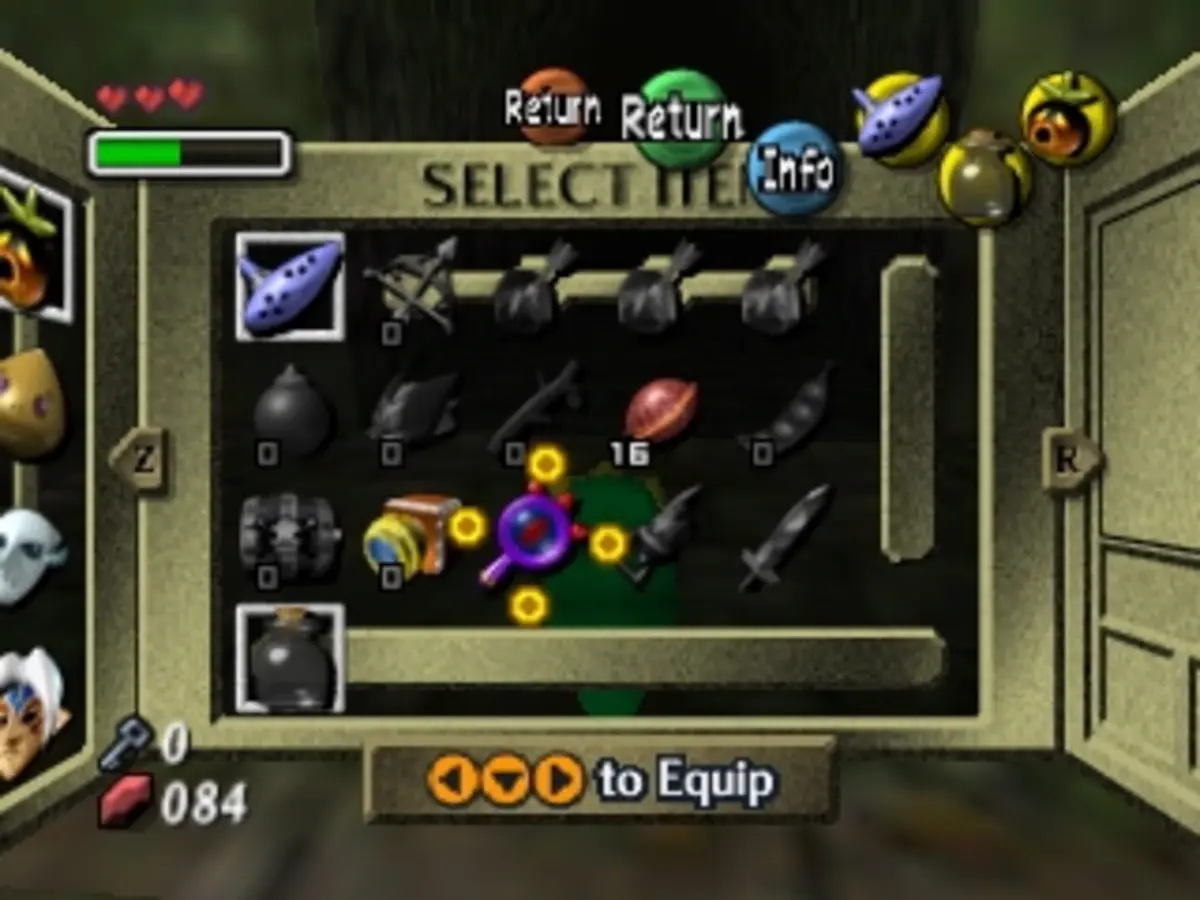
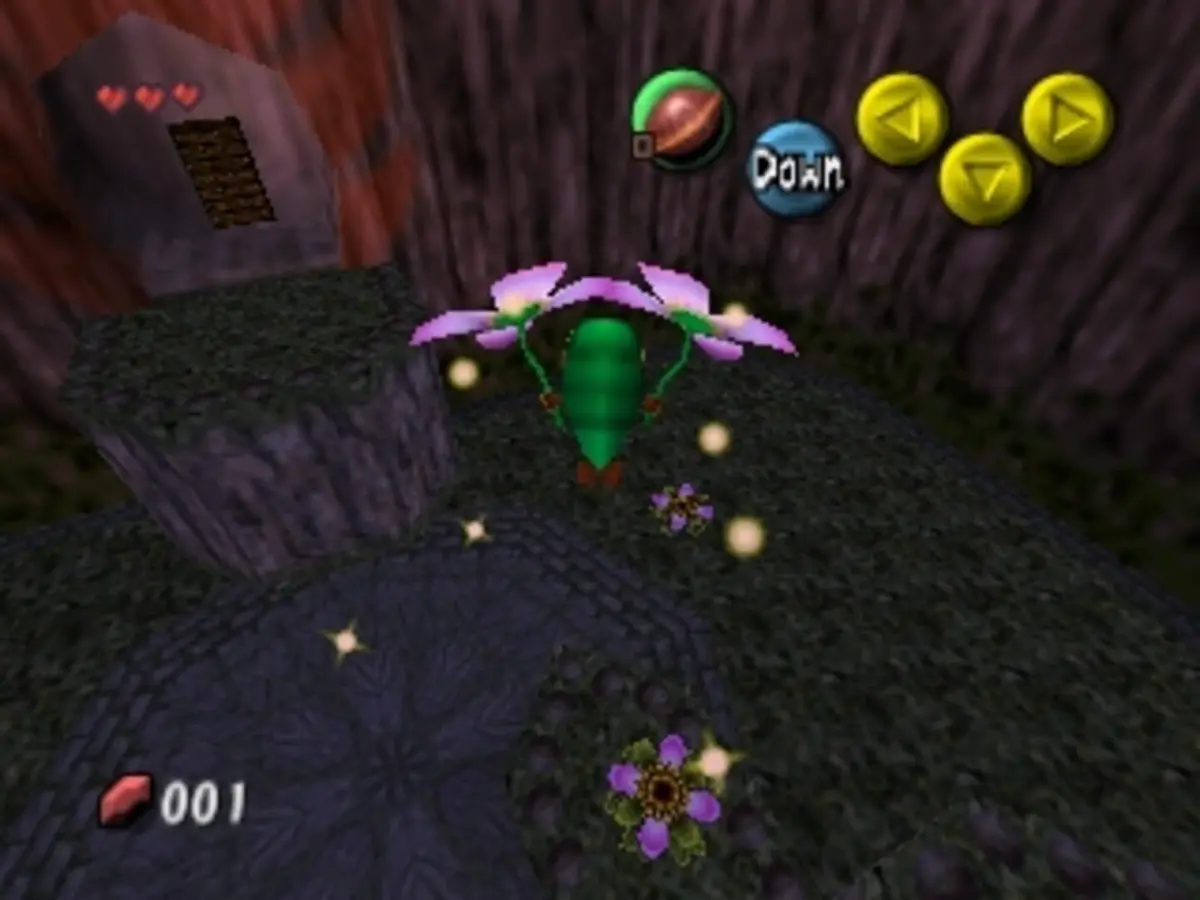
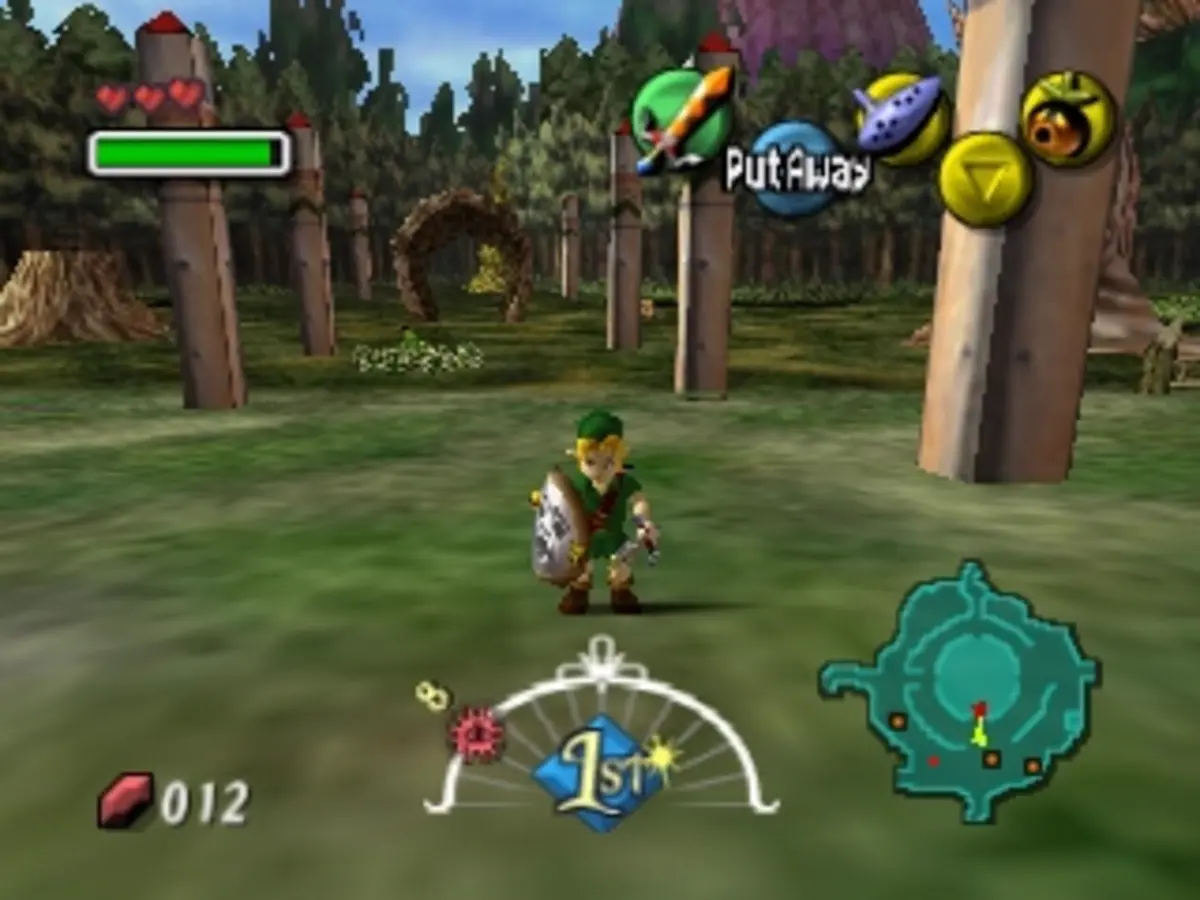
The Legend of Zelda: Majora's Mask is a 2000 action-adventure game developed and published by Nintendo for the Nintendo 64. It is the second game in The Legend of Zelda series to use 3D graphics, following Ocarina of Time (1998). Designed by a creative team led by Eiji Aonuma, Yoshiaki Koizumi, and Shigeru Miyamoto, Majora's Mask was completed in less than two years. It features enhanced graphics and several gameplay changes, but reuses elements and character models from Ocarina of Time, a creative decision made necessary by time constraints.
From the Wikipedia article The Legend of Zelda: Majora's Mask, by its contributors, under CC BY-SA 4.0.
Developer and publisher
Nintendo Entertainment Analysis & Development Developer
Division of Nintendo
Based in Kyoto · founded 1983 · 34 other games here
Super Mario Maker, Splatoon, Animal Crossing: Happy Home Designer, Mario Kart 8 · all 35
Nintendo Publisher
Japanese multinational video game and consumer electronics company
Based in Kyoto · founded 1889 · 295 other games here
Xenoblade Genesis, Kirby and the World Beyond, Metroid Ravenous, Pokémon Champions · all 296
Platforms and release dates
| Platform | Released |
|---|---|
| Wii U | – |
| Nintendo GameCube | – |
| Nintendo 64 | April 27, 2000 (Japan) October 26, 2000 (North America) November 17, 2000 (PAL region) |
Details
| Genre | action-adventure game |
|---|---|
| Modes | single-player video game |
| Series | The Legend of Zelda |
| Sold on | Nintendo eShop |
| Country | Japan |
| Age rating | Everyone, PEGI 7, PEGI 12 |
| Official site | zelda.com |
What critics say
Majora's Mask reused Ocarina's bones and built a stranger, denser Zelda
Nintendo's second 3D Zelda kept its predecessor's controls and traded Hyrule for a three-day countdown in Termina.
Is The Legend of Zelda: Majora's Mask worth it?
Majora's Mask keeps Ocarina of Time's controls and many of its parts, then rebuilds the Zelda formula around a three-day countdown and 24 masks. Critics ranked it among the best games of its time. Their complaints about time pressure and framerate drops on the aging N64 are real, but they don't outweigh what the game gets right. Play it, and give the clock a chance to click.
Best for: Players who liked Ocarina of Time and want a smaller, denser world built around routines, side quests and a ticking clock. If time limits stress you out, expect a rough first few cycles.
Written from the published record (critics' reviews, the developer's documentation and the game's history), not a hands-on playthrough. How these are written.
What critics praised
- The three-day cycle turns all of Termina into a schedule worth learning[1]
- The Deku, Goron and Zora forms each open new areas and puzzles[1]
- Clock Town's linked side quests, tracked in the Bomber's Notebook[1]
- A darker tone, shaped by how residents face the falling moon[1]
- Ocarina of Time's proven controls, including Z-targeting[1]
Critic scores by outlet
| Outlet | Score | Out of 100 | Version | Date |
|---|---|---|---|---|
| Metacritic aggregate of 27 | 95/100 | 95 | Nintendo 64 | – |
Scores as recorded on Wikidata, with the outlet's own link where Wikidata cites one. User ratings are not listed.
- AnalysisMajora's Mask reused Ocarina's bones and built a stranger, denser Zelda
Majora's Mask is the second Legend of Zelda game in 3D. It came out on the Nintendo 64 in 2000, two years after Ocarina of Time. Nintendo finished it in less than two years, and the schedule shows…
Community clips
See allCommunity images
See allNo community reviews yet. Be the first to review The Legend of Zelda: Majora's Mask: a score out of 10, what works, what doesn't.
How the score works
9.5GameRaven score = Critics 100%
- Critics9.5100%
- Community–0%
The GameRaven score of 9.5 is the critics' average, from critic aggregates, until members review the game. Community reviews and votes join it as they come in, each counting for more as more people stand behind it. How it's worked out.
Sources
References
- Wikipedia: The Legend of Zelda: Majora's Mask en.wikipedia.org
Where the rest comes from
- Facts and critic scores: Wikidata item Q732943 (CC0), read November 12, 2026. Spotted something wrong? It can be corrected on Wikidata, and the change reaches this page the next time the catalogue is read.
- Summary: Wikipedia, CC BY-SA 4.0.
- Cover art: IGDB.
- Critics' overview written from: Wikipedia: The Legend of Zelda: Majora's Mask, CC BY-SA 4.0.
- Critics' overview written from: Wikidata: Q732943, CC0.
- How the score is worked out: methodology.