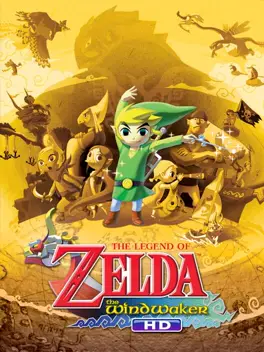
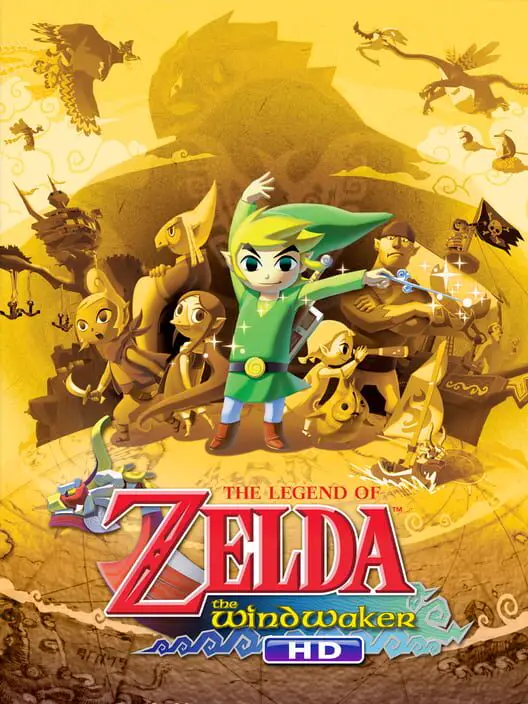
Where to buy The Legend of Zelda: The Wind Waker HD
Amazon links are affiliate links: as an Amazon Associate we earn from qualifying purchases.
About the game
The Legend of Zelda: The Wind Waker is a 2002 action-adventure game developed and published by Nintendo for the GameCube. An installment in The Legend of Zelda series, it was released in Japan on December 13, 2002, in North America on March 23, 2003, and in Europe on May 2, 2003.
From the Wikipedia article The Legend of Zelda: The Wind Waker HD, by its contributors, under CC BY-SA 4.0.
Developer and publisher
Nintendo Entertainment Analysis & Development Developer
Division of Nintendo
Based in Kyoto · founded 1983 · 34 other games here
Super Mario Maker, Splatoon, Animal Crossing: Happy Home Designer, Mario Kart 8 · all 35
Nintendo Publisher
Japanese multinational video game and consumer electronics company
Based in Kyoto · founded 1889 · 295 other games here
Xenoblade Genesis, Kirby and the World Beyond, Metroid Ravenous, Pokémon Champions · all 296
Platforms and release dates
| Platforms | Wii U |
|---|---|
| Released | September 20, 2013 |
Details
| Genre | action-adventure game |
|---|---|
| Modes | single-player video game |
| Series | The Legend of Zelda |
| Sold on | Nintendo eShop |
| Country | Japan |
| Age rating | Everyone 10+, PEGI 7 |
| Official site | nintendo.co.jp |
What critics say
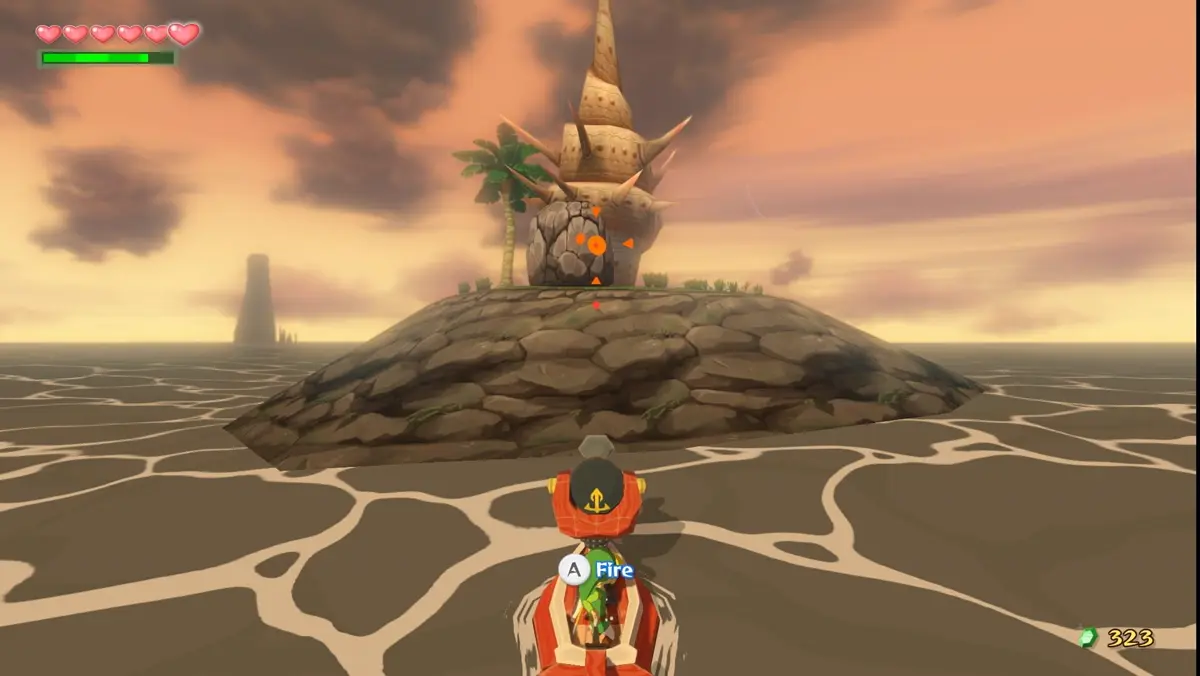
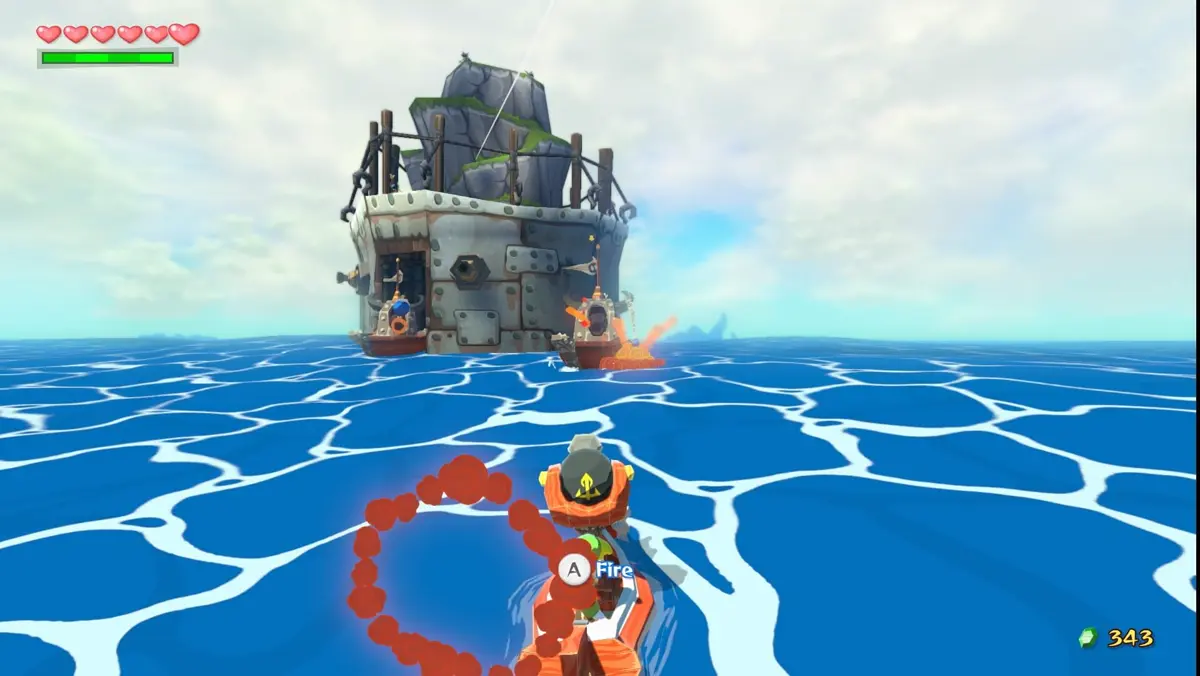
Wind Waker HD puts Zelda's cartoon sea on Wii U, long voyages included
Critics called its play the series' best and its art a high point, but the slow sailing between 49 island squares wore on many of them.
Is The Legend of Zelda: The Wind Waker HD worth it?
The Wind Waker HD is one of the best-reviewed games on Wii U, with a 93/100 average across seven critic reviews. Critics praised its cartoon art, tight combat and dungeons in near-unanimous terms. The main complaints were heavy sailing late in the game and low difficulty once Link's health grows, and neither is enough to sink it. If you own a Wii U, play it.
Best for: Wii U owners who want a single-player Zelda with a striking look and gentle difficulty, including younger players. If you have no patience for long stretches of travel, the late game may test you.
Written from the published record (critics' reviews, the developer's documentation and the game's history), not a hands-on playthrough. How these are written.
What critics praised
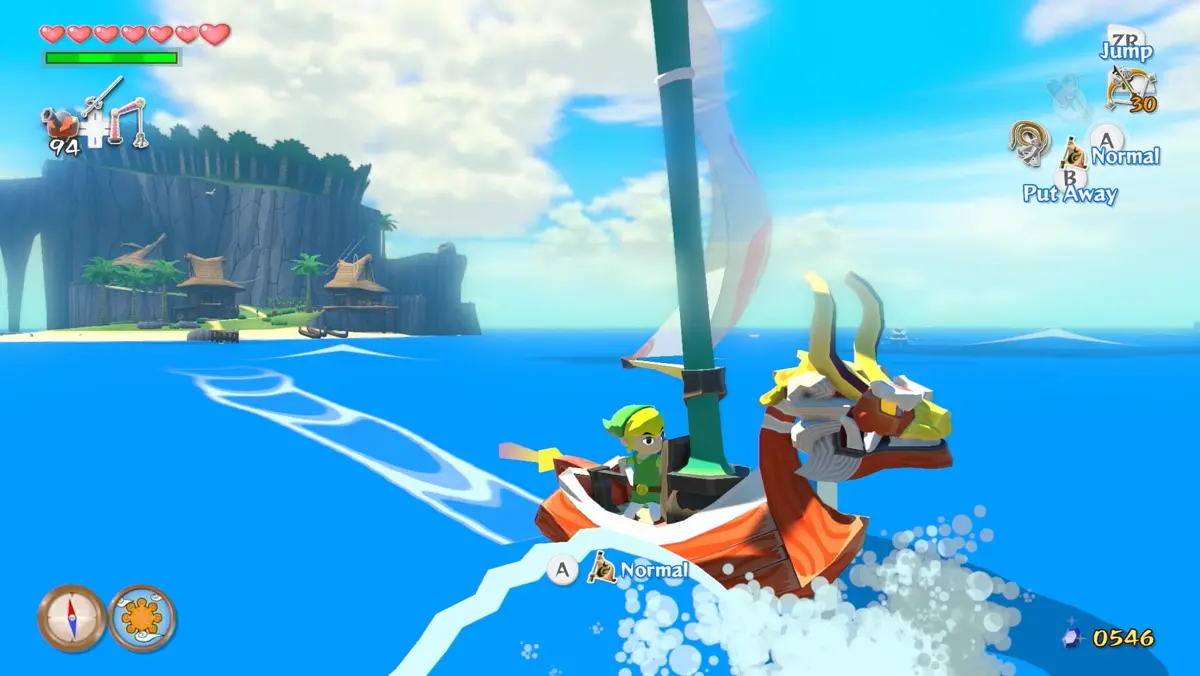
- Cel-shaded art that critics compared to Disney and Miyazaki films[1]
- Combat with counterattacks and enemy weapons that EGM called the series' best[1]
- Dungeon design and puzzles critics singled out for praise[1]
- A sea of 49 island squares with optional islands and side quests[1]
- Score and soundtrack critics praised[1]
Where it falls short
Critic scores by outlet
| Outlet | Score | Out of 100 | Version | Date |
|---|---|---|---|---|
| Kritikanstvo aggregate of 7 | 93/100 | 93 | – | – |
Scores as recorded on Wikidata, with the outlet's own link where Wikidata cites one. User ratings are not listed.
- AnalysisWind Waker HD puts Zelda's cartoon sea on Wii U, long voyages included
The highest praise and the sharpest complaint about The Wind Waker both came from critics who liked it a lot. Electronic Gaming Monthly's Shane Bettenhausen said its core play was "the best the…
Community clips
See allCommunity images
See allNo community reviews yet. Be the first to review The Legend of Zelda: The Wind Waker HD: a score out of 10, what works, what doesn't.
How the score works
9.3GameRaven score = Critics 100%
- Critics9.3100%
- Community–0%
The GameRaven score of 9.3 is the critics' average, from critic aggregates, until members review the game. Community reviews and votes join it as they come in, each counting for more as more people stand behind it. How it's worked out.
Sources
References
- Wikipedia: The Legend of Zelda: The Wind Waker HD en.wikipedia.org
Where the rest comes from
- Facts and critic scores: Wikidata item Q14900378 (CC0), read November 12, 2026. Spotted something wrong? It can be corrected on Wikidata, and the change reaches this page the next time the catalogue is read.
- Summary: Wikipedia, CC BY-SA 4.0.
- Cover art: IGDB.
- Critics' overview written from: Wikipedia: The Legend of Zelda: The Wind Waker HD, CC BY-SA 4.0.
- Critics' overview written from: Wikidata: Q14900378, CC0.
- How the score is worked out: methodology.