Where to buy Victoria II
Amazon links are affiliate links: as an Amazon Associate we earn from qualifying purchases.
About the game
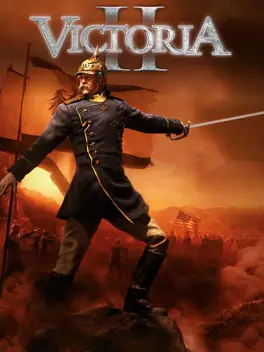
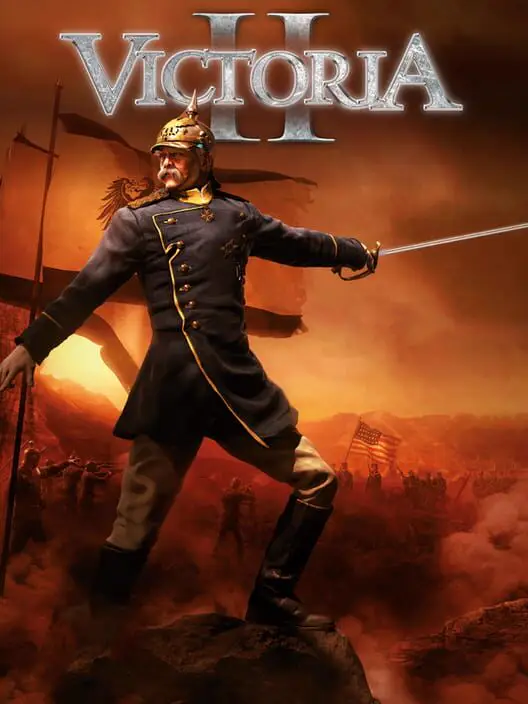
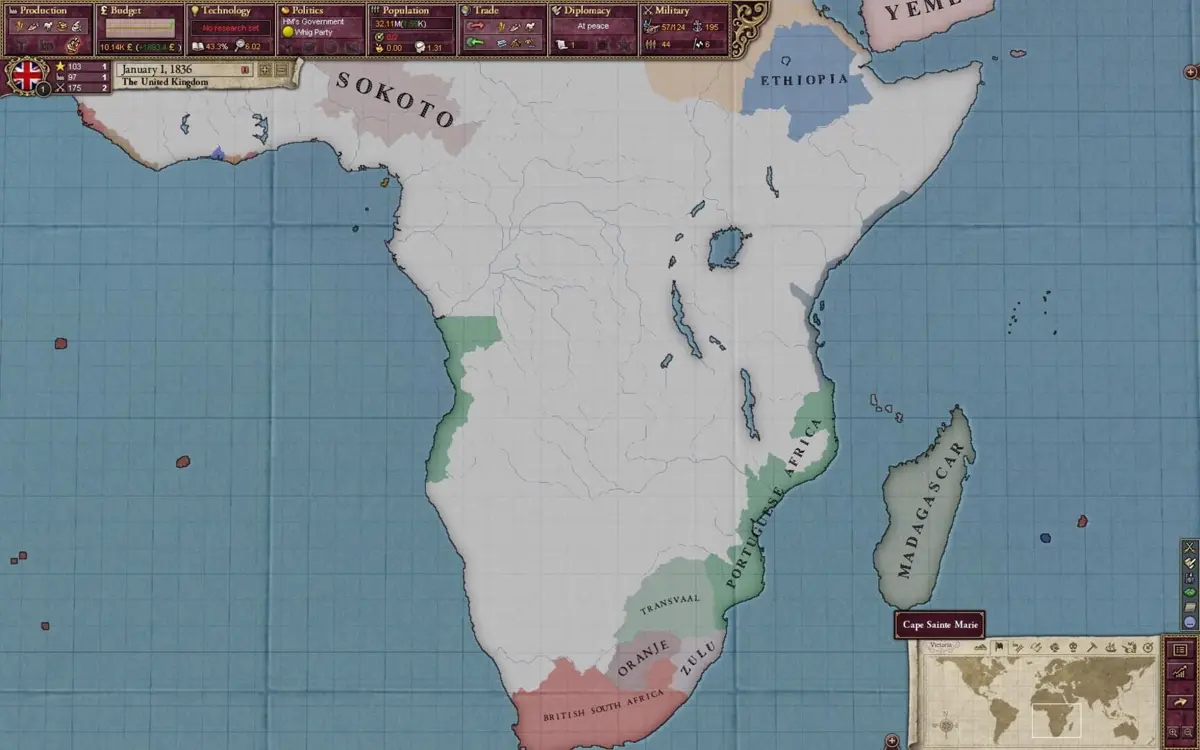
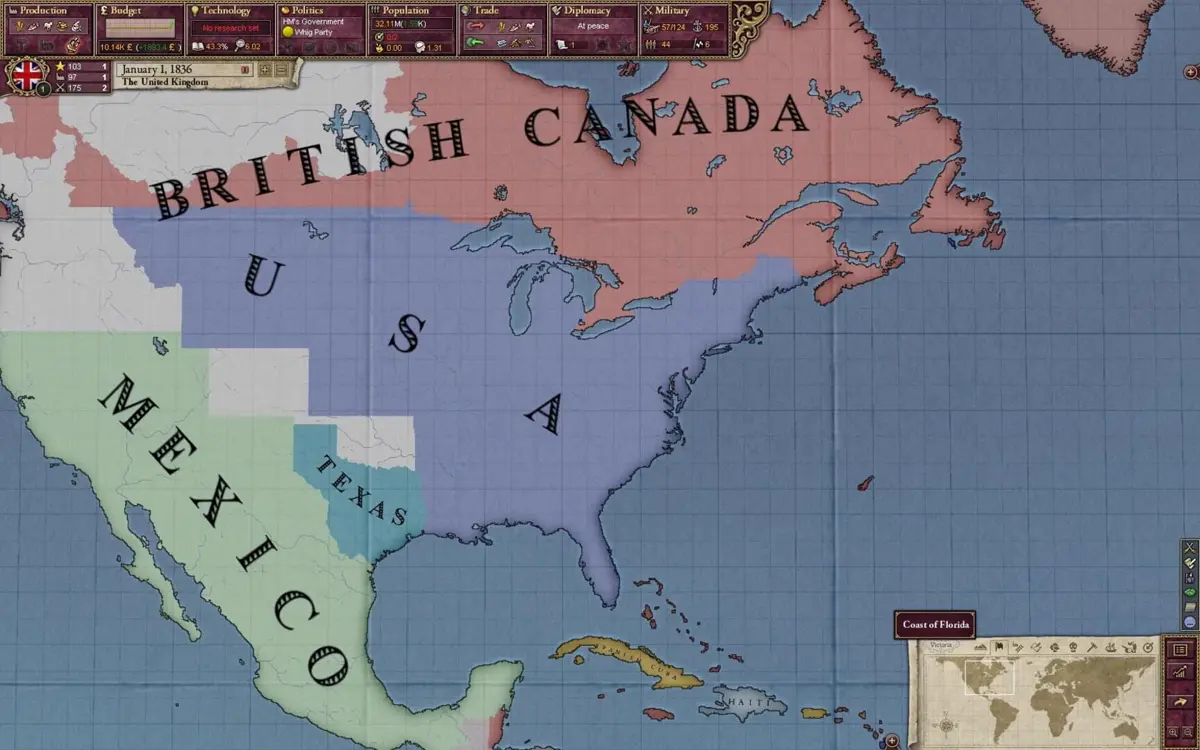
Victoria II is a grand strategy game developed by the Swedish game company Paradox Development Studio and published by Paradox Interactive. It was announced on August 19, 2009, and released on August 13, 2010. It is a sequel to Victoria: An Empire Under the Sun.
From the Wikipedia article Victoria II, by its contributors, under CC BY-SA 4.0.
Developer and publisher
Development Studio Developer
Swedish video game developer
Based in Stockholm · founded 1995 · 21 other games here
Europa Universalis V, Victoria 3, Hearts of Iron IV: La Résistance, Crusader Kings III · all 22
Paradox Interactive Publisher
Swedish video game publisher
Based in Stockholm · founded 1999 · 92 other games here
Transport Fever 3, Europa Universalis V, Vampire: The Masquerade – Bloodlines 2, Millennia · all 93
Platforms and release dates
| Platform | Released |
|---|---|
| Microsoft Windows | August 13, 2010 |
| macOS | September 17, 2010 |
PC system requirements
Not added yet.
Details
| Genre | real-time strategy, computer wargame, grand strategy wargame, historical video game |
|---|---|
| Modes | single-player video game, multiplayer video game |
| Engine | Clausewitz Engine |
| Series | Victoria |
| Sold on | Steam, Humble Store, GamersGate |
| Country | Sweden |
| Age rating | Teen, PEGI 12 |
| Official site | victoria2.com |
What critics say
Victoria II models a century of markets better than it explains them
Paradox's 1836 to 1936 grand strategy game earned praise for its depth and doubts about whether that depth adds up to play.
Is Victoria II worth it?
Victoria II is a deep simulation of a century of trade, class and reform, and critics agreed it's far easier to manage than the original. The doubts are about payoff: GameShark found the detail outran the decisions, and the game's 75% Metacritic average sits closer to respect than love. If you'd rather steer an economy than win a war, and you don't mind slow results, play it.
Best for: Strategy players who'd rather shape an economy and a society than win battles, and who are happy to wait decades of game time for results.
Written from the published record (critics' reviews, the developer's documentation and the game's history), not a hands-on playthrough. How these are written.
What critics praised
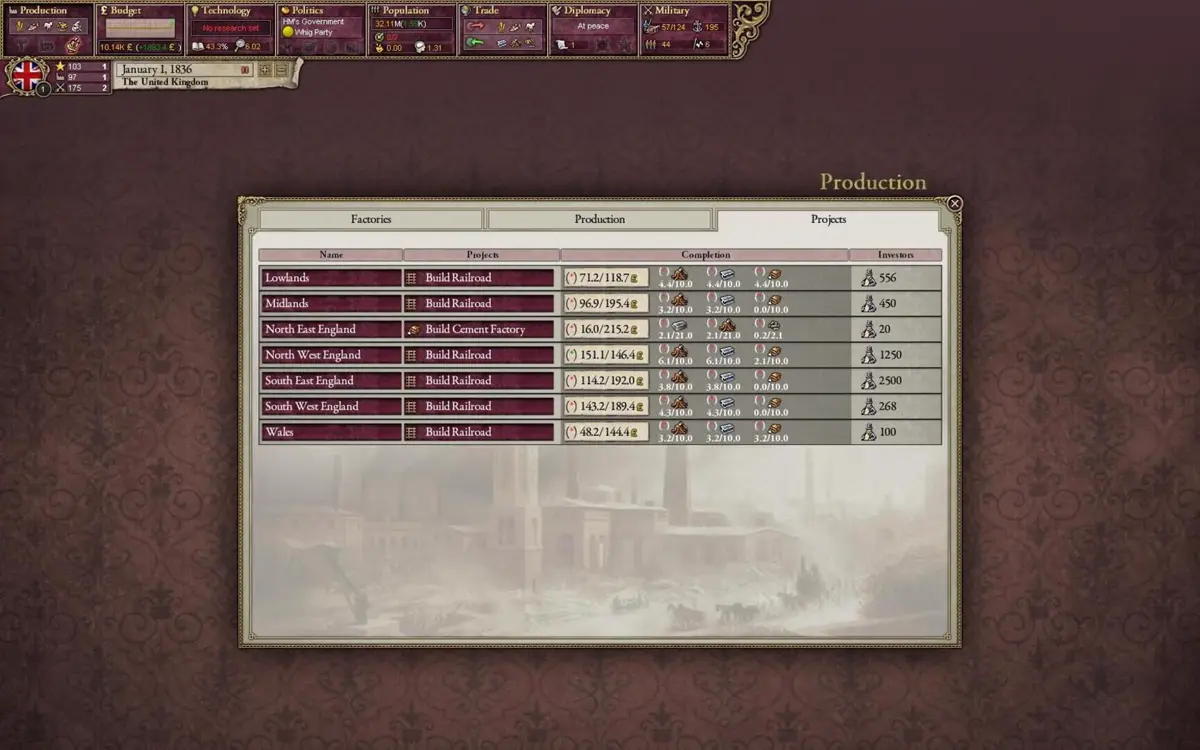
- A market with over 50 goods and factories that reacts to supply and demand[1]
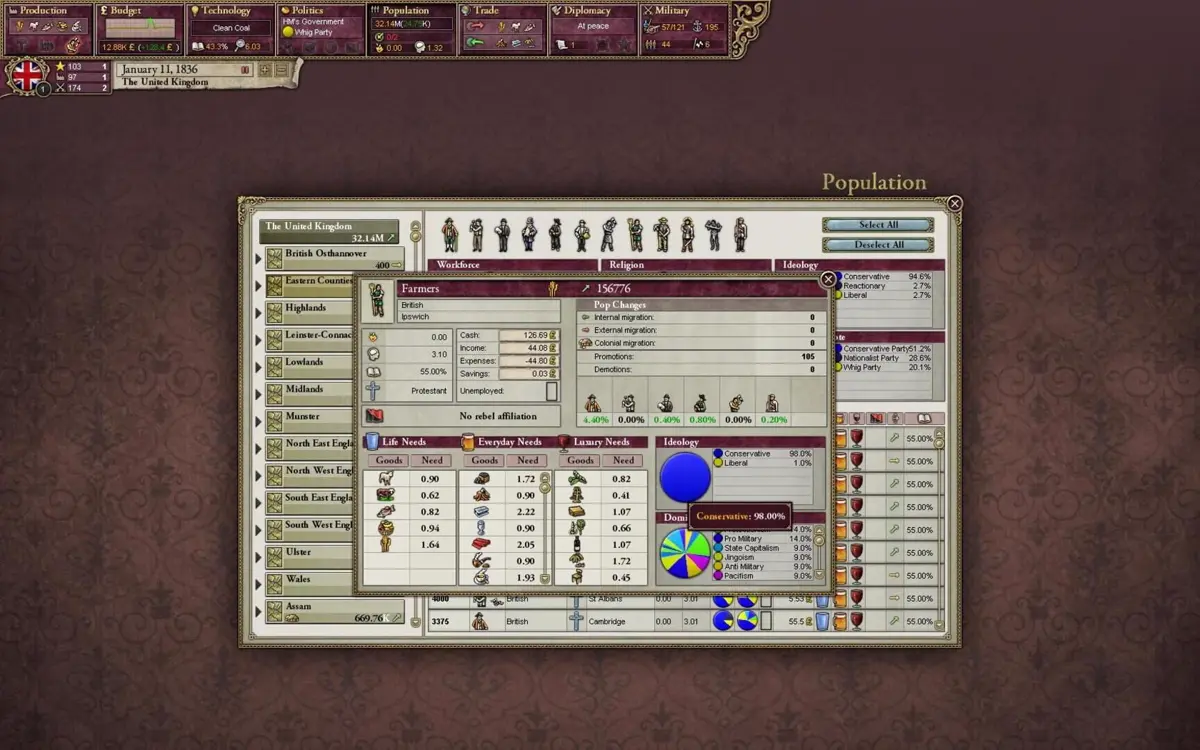
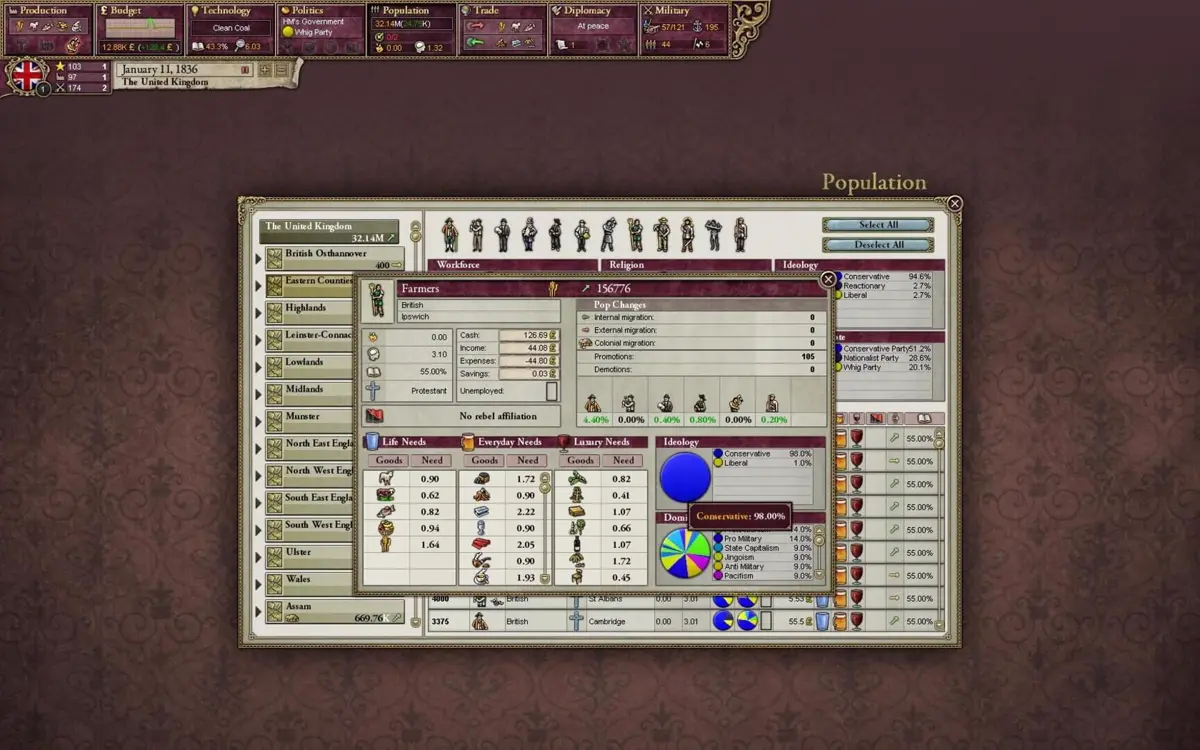
- Pops split by culture, religion, class and job make politics feel alive[1]
- Over 200 playable nations across a full century, 1836 to 1936[1]
- Much less micromanagement than the original, per GameSpot[1]
- Expansions lifted critic averages from 75% to 81%[1]
Critic scores by outlet
| Outlet | Score | Out of 100 | Version | Date |
|---|---|---|---|---|
| GameRankings aggregate | 76.17% | 76 | Microsoft Windows | – |
| Kritikanstvo aggregate of 12 | 88/100 | 88 | – | – |
| Metacritic aggregate | 75 | 75 | Microsoft Windows | – |
| GameSpot | 7.5/10 | 75 | Microsoft Windows | – |
| GameZone | 7/10 | 70 | Microsoft Windows | – |
| Gamekult | 7/10 | 70 | Microsoft Windows | – |
| Jeuxvideo.com | 17/20 | 85 | Microsoft Windows | – |
| PC Gamer | 76% | 76 | Microsoft Windows | – |
Scores as recorded on Wikidata, with the outlet's own link where Wikidata cites one. User ratings are not listed.
- AnalysisVictoria II models a century of markets better than it explains them
The strongest praise for Victoria II came from E. E. Knight in Black Gate, who called the civ-building game "quite an achievement." The sharpest criticism came from GameShark, whose reviewer saw…
Community clips
See allCommunity images
See allNo community reviews yet. Be the first to review Victoria II: a score out of 10, what works, what doesn't.
How the score works
7.5GameRaven score = Critics 100%
- Critics7.5100%
- Community–0%
The GameRaven score of 7.5 is the critics' average, from 5 critics, until members review the game. Community reviews and votes join it as they come in, each counting for more as more people stand behind it. How it's worked out.
Sources
References
- Wikipedia: Victoria II en.wikipedia.org
Where the rest comes from
- Facts and critic scores: Wikidata item Q1366277 (CC0), read November 12, 2026. Spotted something wrong? It can be corrected on Wikidata, and the change reaches this page the next time the catalogue is read.
- Summary: Wikipedia, CC BY-SA 4.0.
- Cover art: IGDB.
- Critics' overview written from: Wikipedia: Victoria II, CC BY-SA 4.0.
- Critics' overview written from: Wikidata: Q1366277, CC0.
- How the score is worked out: methodology.