Where to buy Final Fantasy Legend II
Amazon links are affiliate links: as an Amazon Associate we earn from qualifying purchases.
About the game
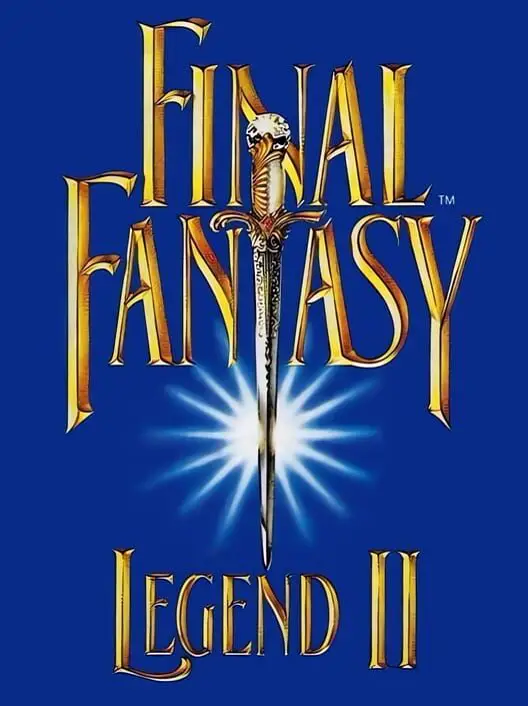
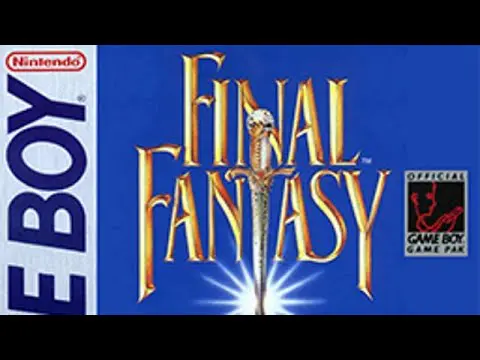
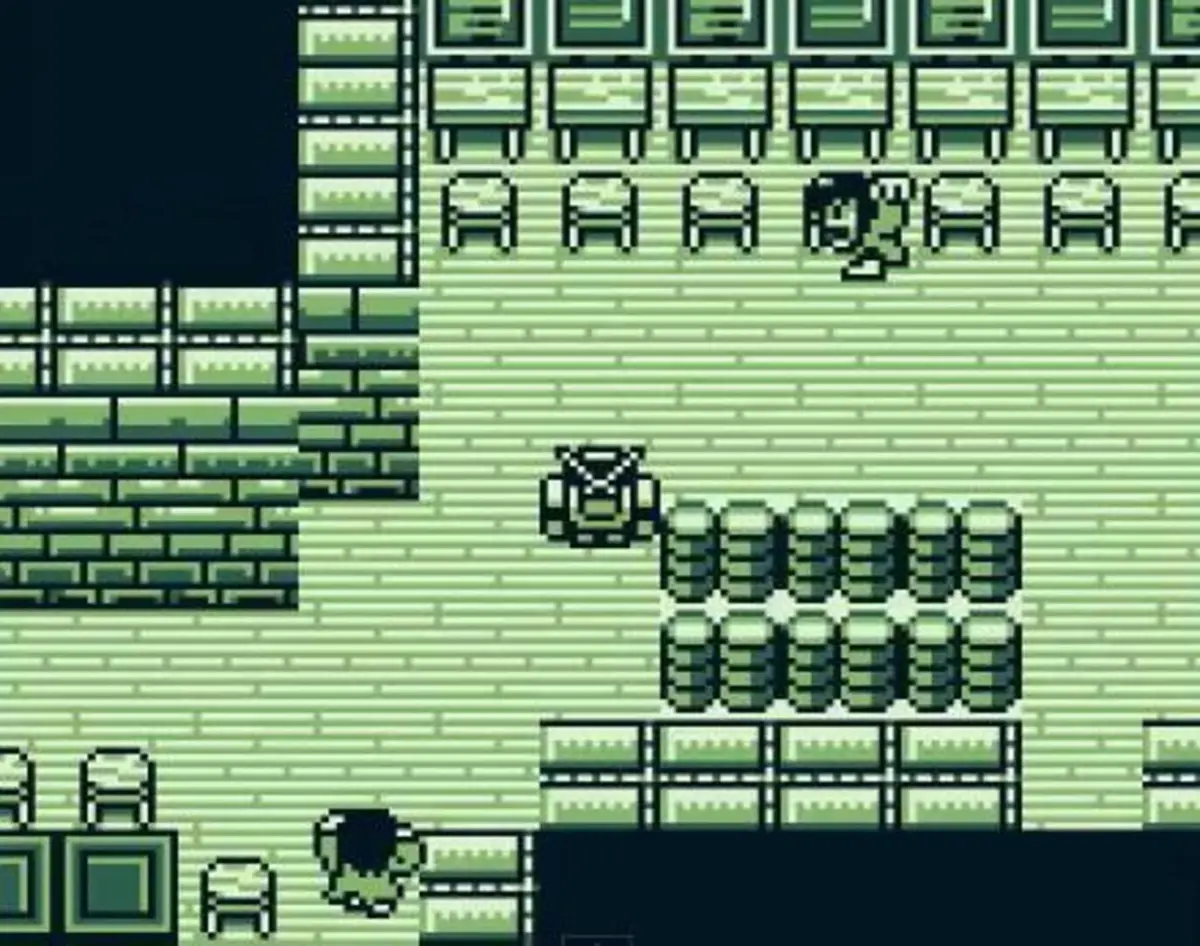
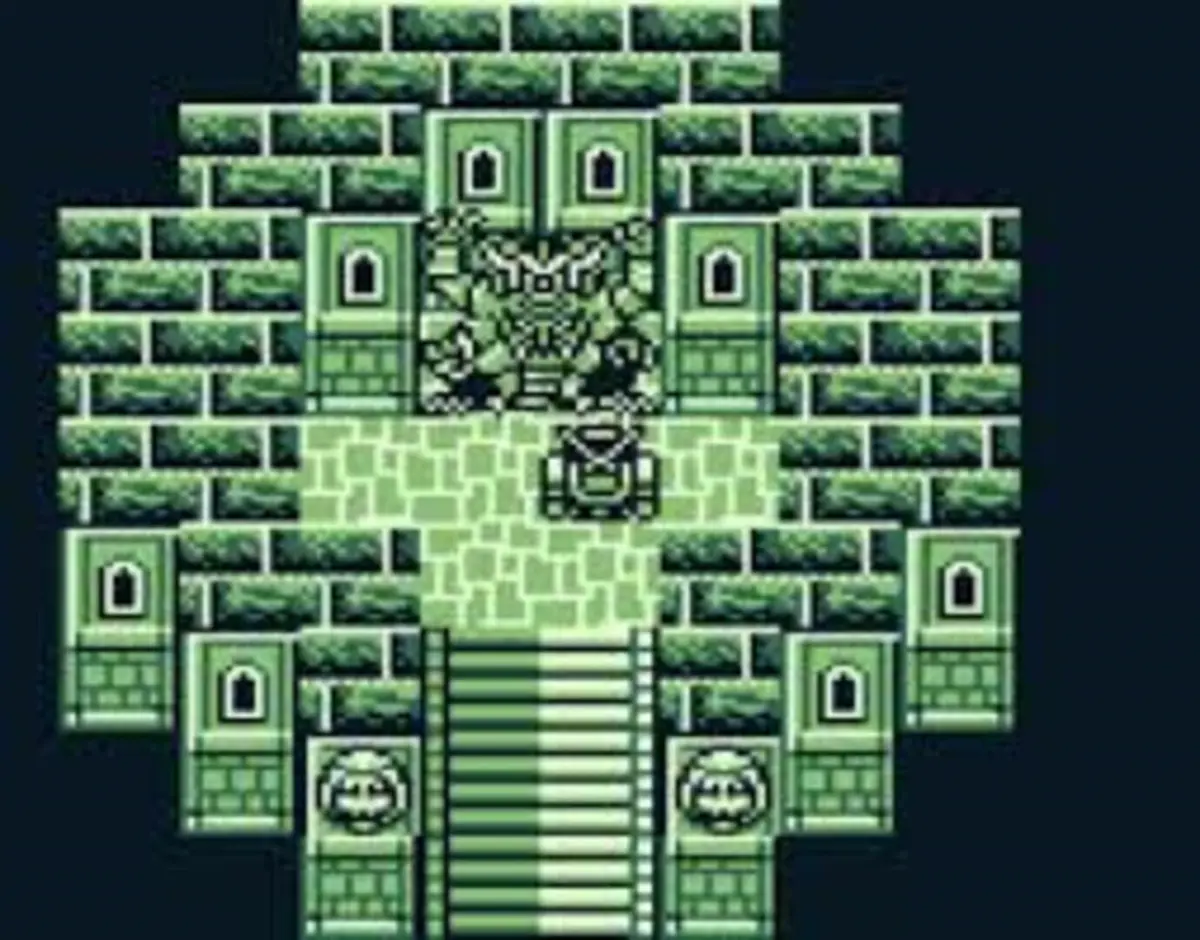
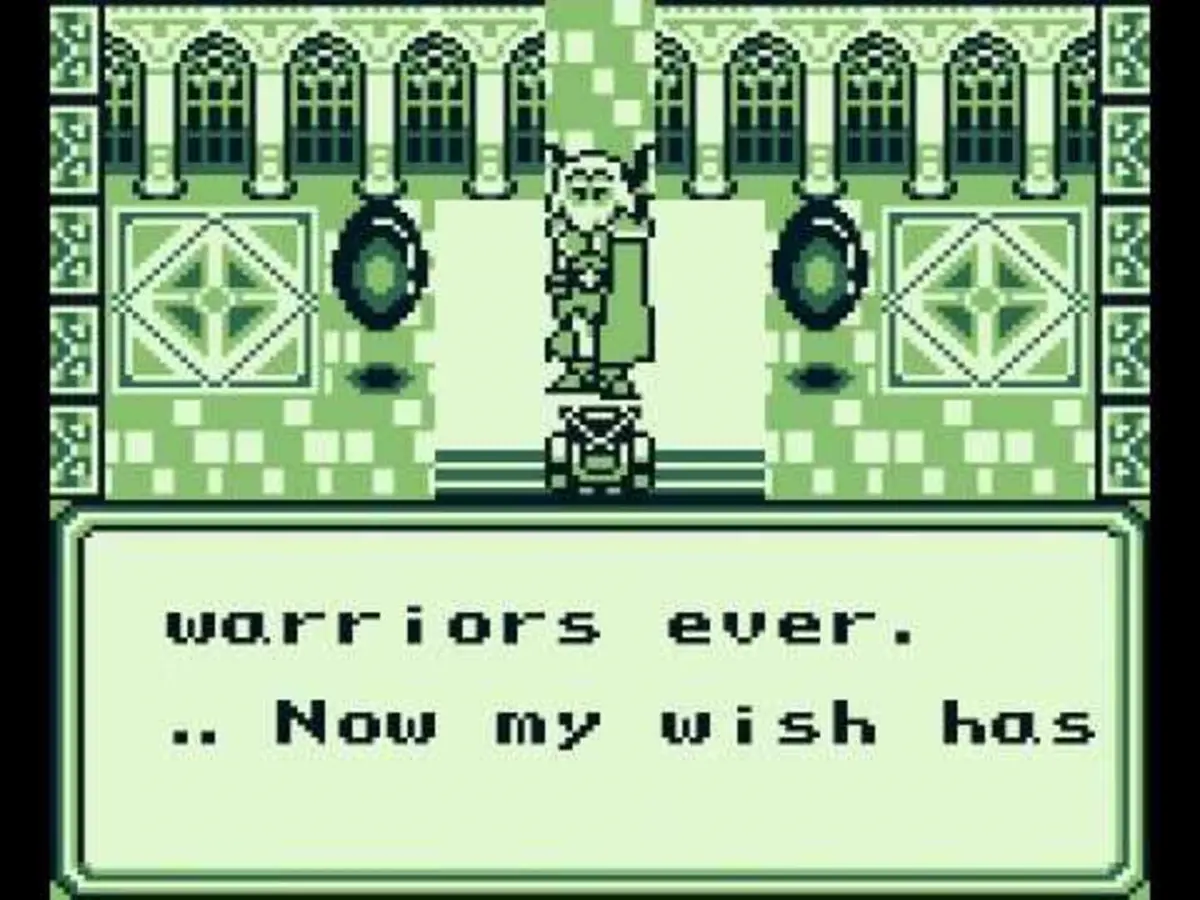
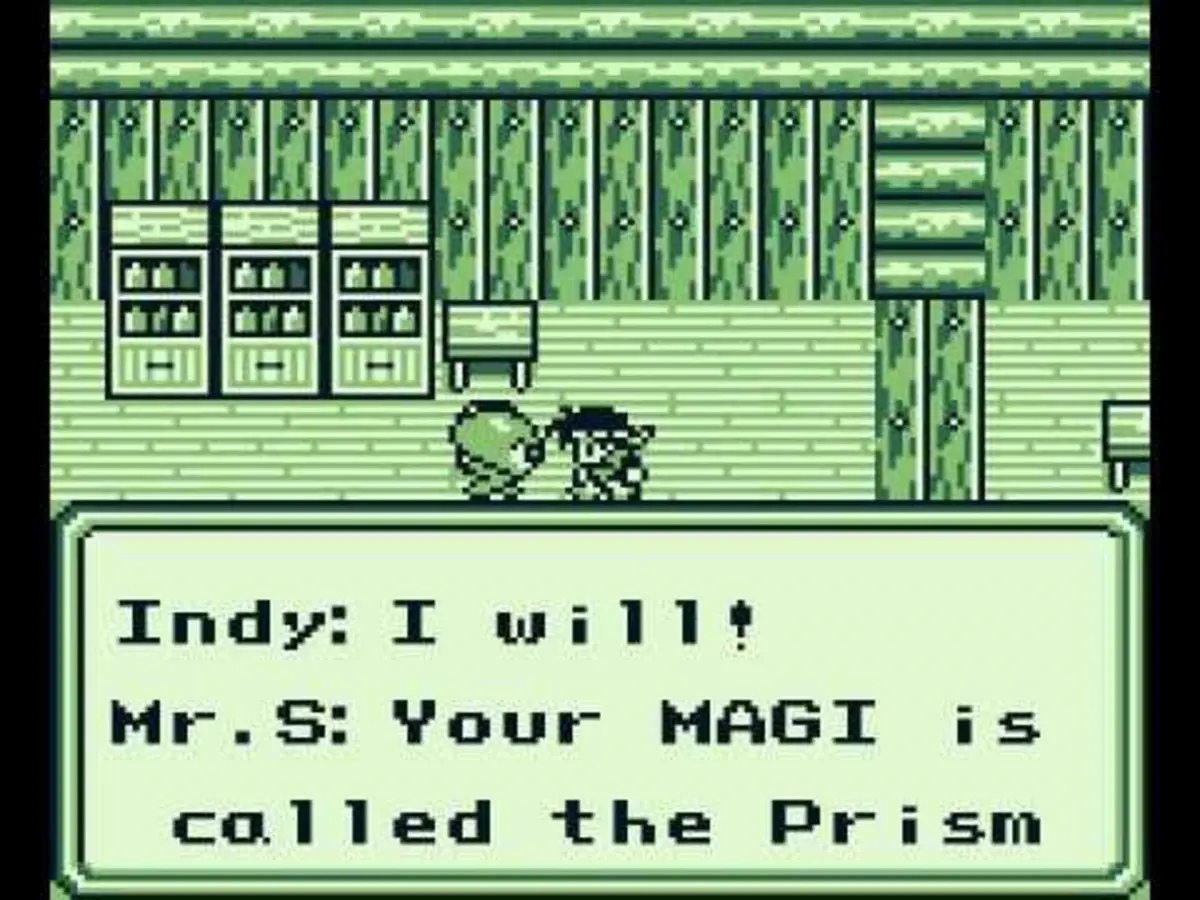
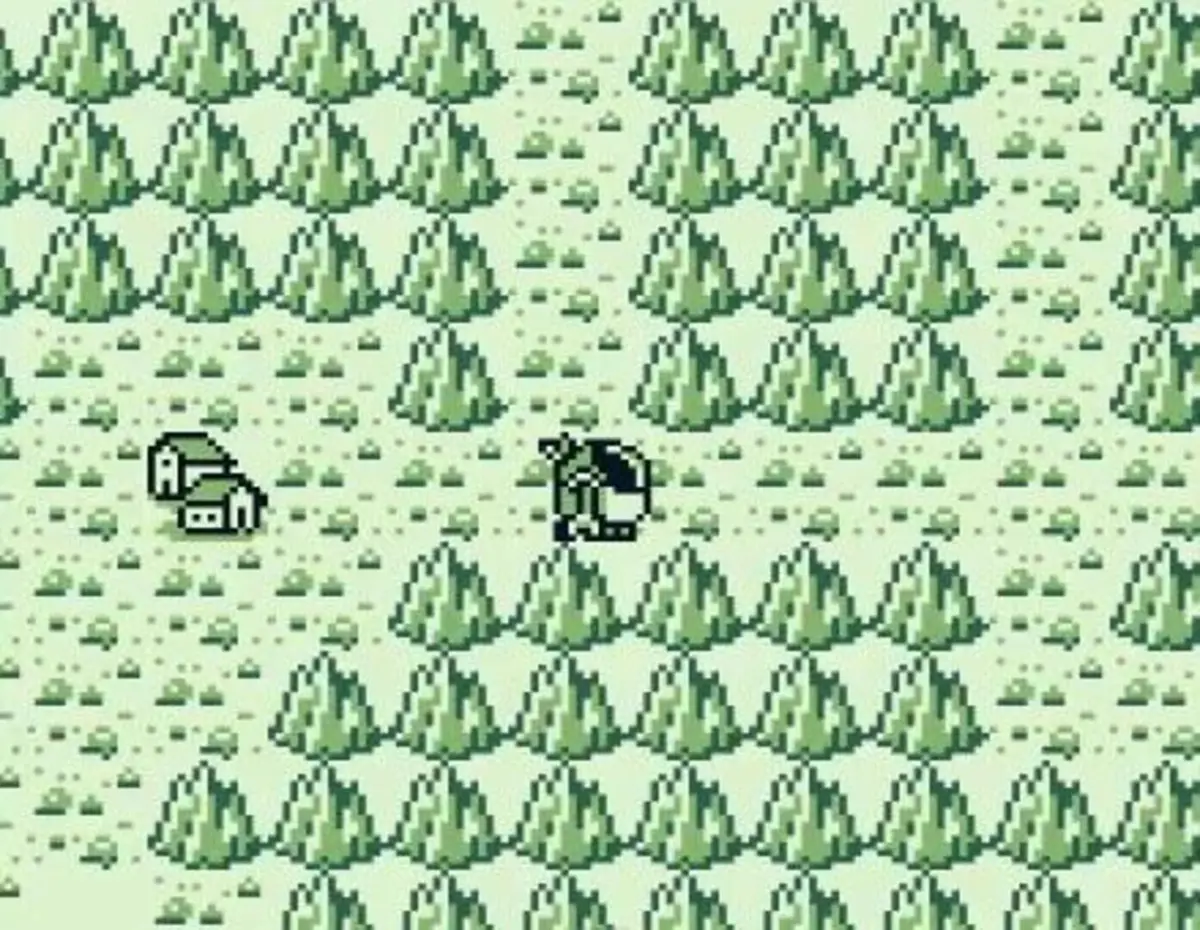
Final Fantasy Legend II, known in Japan as SaGa 2: Hihou Densetsu, is a role-playing video game developed and published by Square for the Game Boy. The second entry in the SaGa series, it was released in 1990 in Japan, and in 1991 in North America. A remake for the Nintendo DS was released in 2009 by Square Enix, remaining exclusive to Japan. The Game Boy version was later ported to the Nintendo Switch and released worldwide by Square Enix in 2020, with later ports to Android, iOS and Microsoft Windows in 2021.
From the Wikipedia article Final Fantasy Legend II, by its contributors, under CC BY-SA 4.0.
Developer and publisher
Square Developer
Japanese video game company
Based in Meguro · founded 1986 · 13 other games here
Final Fantasy IX, Final Fantasy VIII, Final Fantasy VII, Trials of Mana · all 14
Sunsoft Publisher
Japanese video game publisher
Based in Kōnan-shi · founded 1978 · 22 other games here
Ufouria: The Saga 2, SUNSOFT is Back! Retro Game Selection, Gimmick! 2, Obduction · all 23
Platforms and release dates
| Platforms | Nintendo DS, Game Boy |
|---|---|
| Released | December 14, 1990 |
Details
| Genre | role-playing video game |
|---|---|
| Modes | single-player video game, multiplayer video game |
| Series | SaGa |
| Country | Japan |
| Official site | jp.square-enix.com |
What critics say
Final Fantasy Legend II fixes the first game and keeps its strange heart
Critics called Square's 1990 Game Boy sequel the best of the Legend games: easier, funnier and wider than the original, though age has caught up with it.
Is Final Fantasy Legend II worth it?
Critics agreed on one thing: Final Fantasy Legend II is the version of the Legend formula that works best. It's easier, more varied and better built than the first game, and the 9.3 critic average, computed from a single critic, reflects that. Several reviewers also said it has aged badly next to modern role-playing games, so expect old-school random battles and unpredictable character growth. If you have any patience for early handheld RPGs, play it.
Best for: Players curious about early handheld RPGs who don't mind random battles and unpredictable character growth. It's also a good place to start if you want to see where the SaGa series' habits began.
Written from the published record (critics' reviews, the developer's documentation and the game's history), not a hands-on playthrough. How these are written.
What critics praised
- Critics widely ranked it the best of the Game Boy Legend games[1]
- Mixed parties of humans and monsters, with MAGI stones for extra abilities[1]
- Separate worlds give exploration more variety than the first game[1]
- Save anywhere outside combat, plus a journal that tracks clues[1]
- Humor in the plot and graphics that magazine reviewers enjoyed[1]
Critic scores by outlet
| Outlet | Score | Out of 100 | Version | Date |
|---|---|---|---|---|
| Gen4 | 93% | 93 | Game Boy | – |
Scores as recorded on Wikidata, with the outlet's own link where Wikidata cites one. User ratings are not listed.
- AnalysisFinal Fantasy Legend II fixes the first game and keeps its strange heart
The game is built on one idea: take the first Legend game and make it better. Square kept most of the original's structure and changed what didn't work. Critics mostly judged it on whether that paid…
Community clips
See allCommunity images
See allNo community reviews yet. Be the first to review Final Fantasy Legend II: a score out of 10, what works, what doesn't.
How the score works
9.3GameRaven score = Critics 100%
- Critics9.3100%
- Community–0%
The GameRaven score of 9.3 is the critics' average, from 1 critic, until members review the game. Community reviews and votes join it as they come in, each counting for more as more people stand behind it. How it's worked out.
Sources
References
- Wikipedia: Final Fantasy Legend II en.wikipedia.org
Where the rest comes from
- Facts and critic scores: Wikidata item Q1408991 (CC0), read November 12, 2026. Spotted something wrong? It can be corrected on Wikidata, and the change reaches this page the next time the catalogue is read.
- Summary: Wikipedia, CC BY-SA 4.0.
- Cover art: IGDB.
- Critics' overview written from: Wikipedia: Final Fantasy Legend II, CC BY-SA 4.0.
- Critics' overview written from: Wikidata: Q1408991, CC0.
- How the score is worked out: methodology.