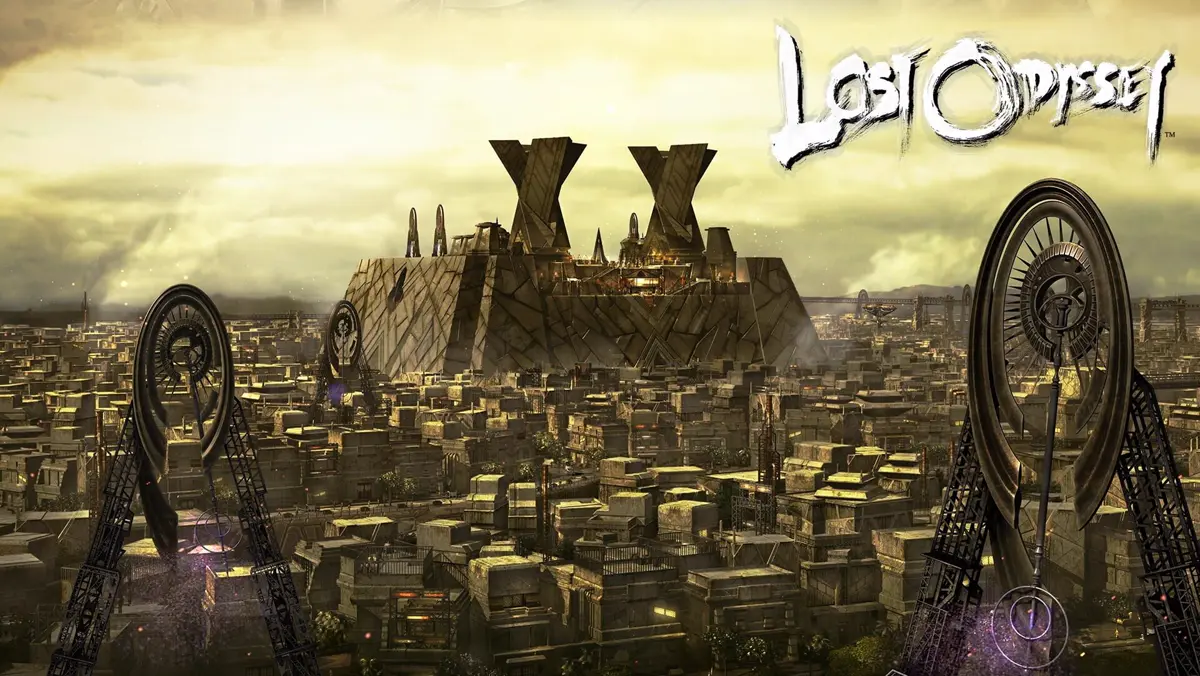
Where to buy Lost Odyssey
Amazon links are affiliate links: as an Amazon Associate we earn from qualifying purchases.
About the game
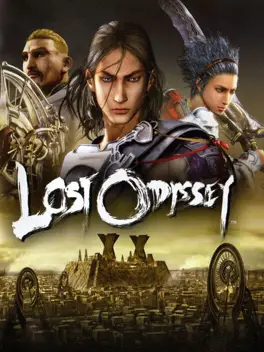
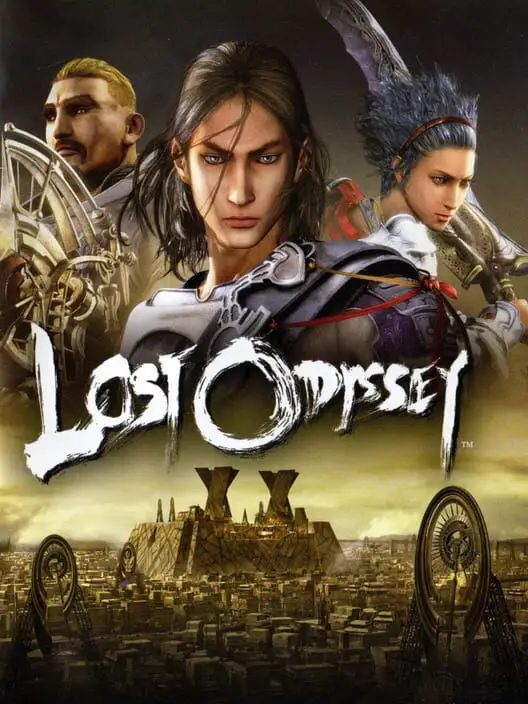
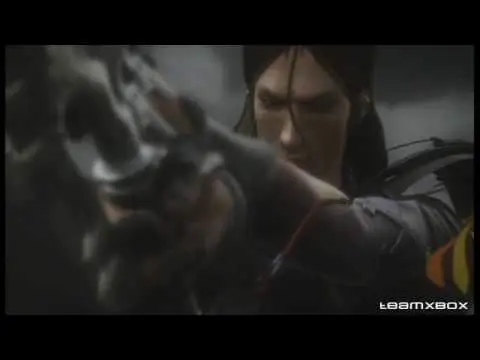
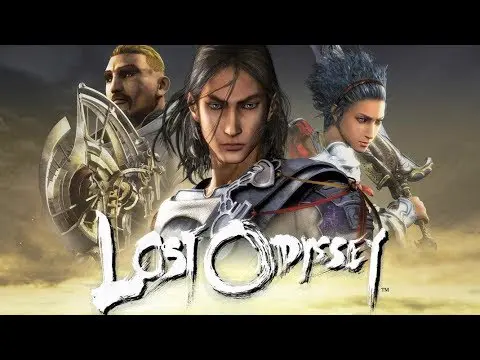
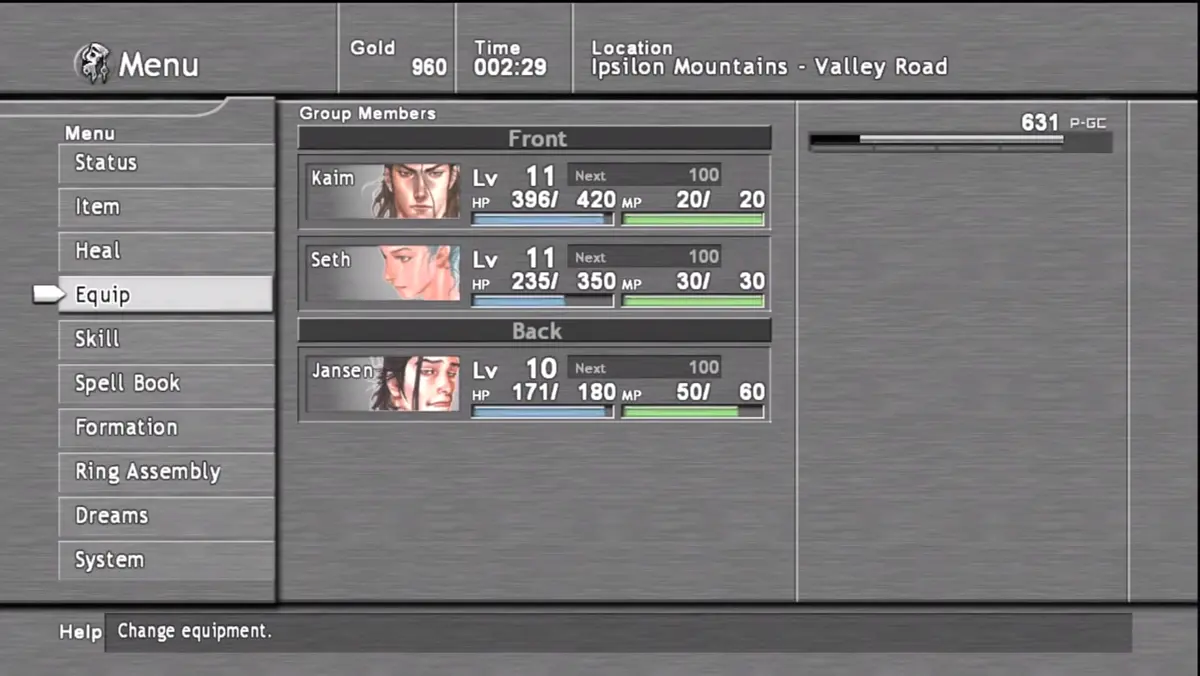
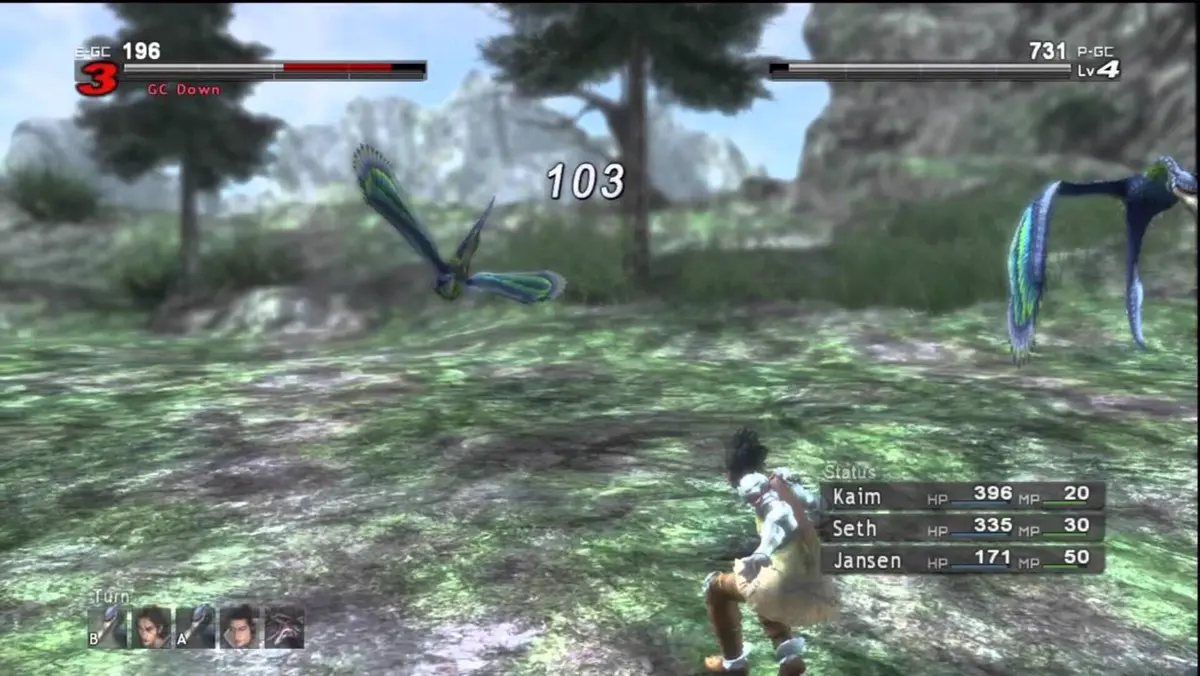
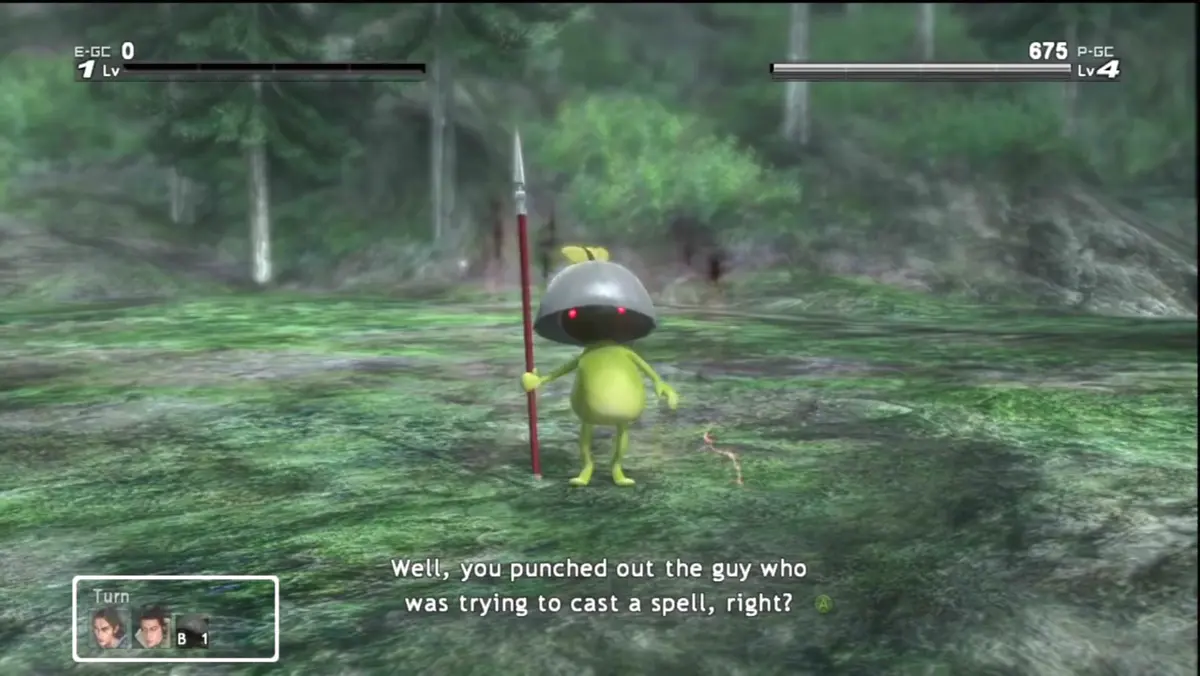
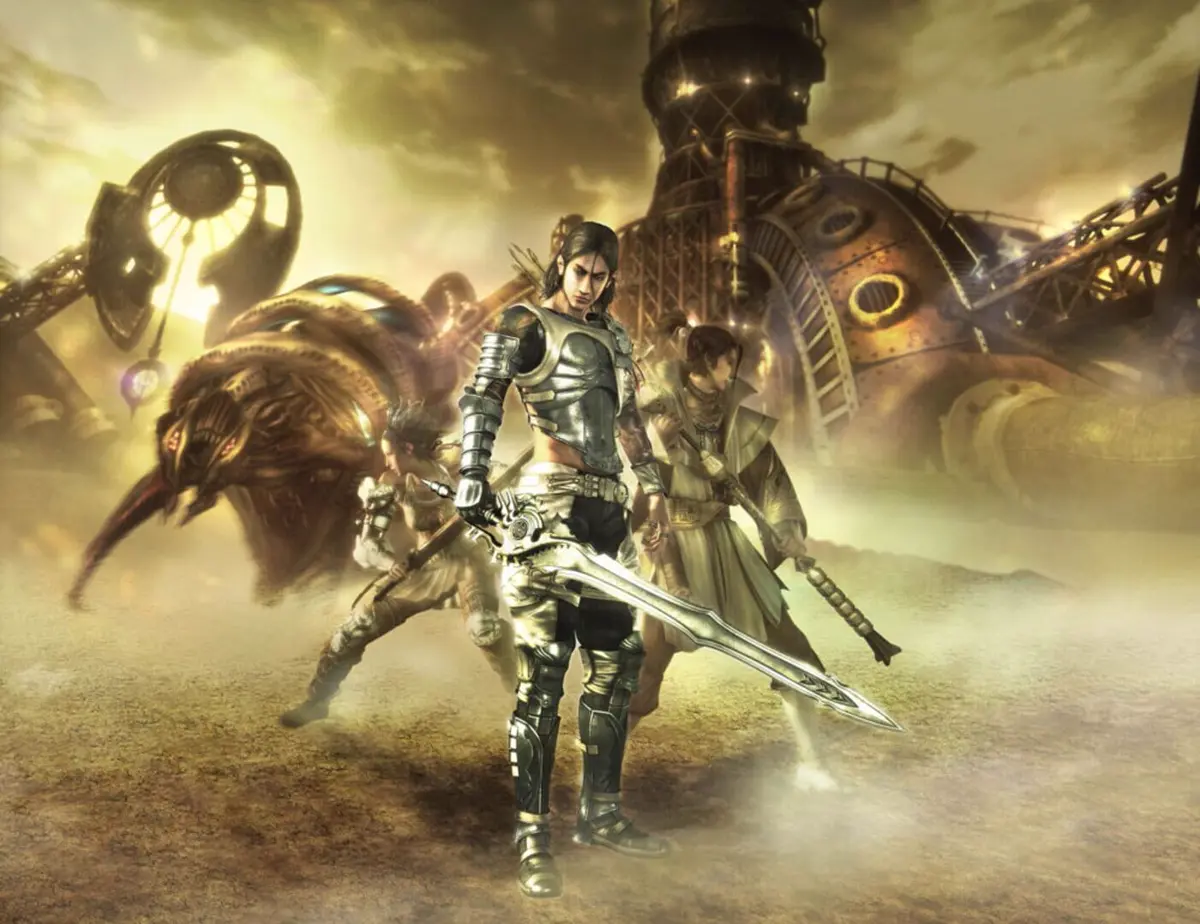
Lost Odyssey is a role-playing video game developed by Mistwalker and Feelplus and published by Microsoft Game Studios for the Xbox 360. Additionally, the game can be purchased from the Xbox digital store and played on Xbox One and Xbox Series consoles through the Xbox backwards compatibility program.
From the Wikipedia article Lost Odyssey, by its contributors, under CC BY-SA 4.0.
Developer and publisher
Mistwalker Developer
Japanese video game development studio
Based in Japan · founded 2004 · 1 other game here
Xbox Game Studios Publisher
American video game company
Based in Redmond · founded 2000 · 161 other games here
Clockwork Revolution, Fable, State of Decay 3, Gears of War: E-Day · all 162
Platforms and release dates
| Platforms | Xbox 360 |
|---|---|
| Released | December 6, 2007 (Japan) February 7, 2008 (Australia) February 8, 2008 (Australia) February 12, 2008 (North America) February 29, 2008 (Europe) |
Details
| Genre | role-playing video game |
|---|---|
| Modes | single-player video game |
| Engine | Unreal Engine 3 |
| Sold on | Microsoft Store |
| Country | Japan |
| Age rating | Teen, PEGI 16 |
| Official site | lostodyssey.jp |
What critics say
Lost Odyssey's thousand years of dreams outshine its old-school battles
A deliberately traditional Xbox 360 RPG whose short flashback stories won the warmest praise and whose random battles drew the most complaints.
Is Lost Odyssey worth it?
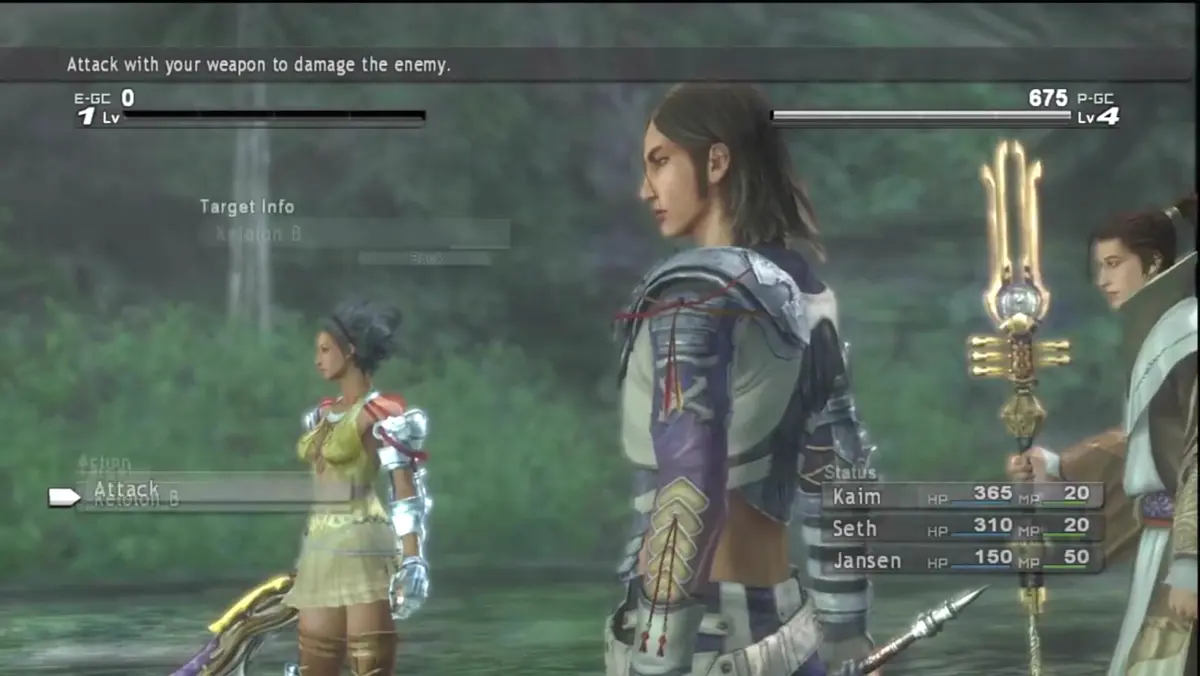
Lost Odyssey is a traditional turn-based role-playing game. Its most praised feature is a set of short, literary flashback stories, and it adds a few smart twists to otherwise conventional combat. Critics liked the stories and the presentation. They split on the main plot and the battle system, and random encounters were the most common complaint. If slow, classic turn-based fights don't put you off, play it.
Best for: Players who want a classic turn-based Japanese role-playing game with a world map and random encounters, and who care most about emotional, well-written storytelling. Anyone who has lost patience with slow, traditional battles should look elsewhere.
Written from the published record (critics' reviews, the developer's documentation and the game's history), not a hands-on playthrough. How these are written.
What critics praised
- Kiyoshi Shigematsu's dream flashbacks drew near-universal praise[1]
- Aim ring timing turns plain attacks into a skill check[1]
- Immortals learning skills by linking with mortals makes party building interesting[1]
- Graphics and production values critics praised[1]
- Playable on Xbox One and Xbox Series through backward compatibility[1]
Critic scores by outlet
| Outlet | Score | Out of 100 | Version | Date |
|---|---|---|---|---|
| GameRankings aggregate | 79.72% | 80 | – | – |
| Metacritic aggregate | 78/100 | 78 | – | – |
| Eurogamer UK | 8/10 | 80 | – | – |
| GameSpot | 7.5/10 | 75 | – | – |
| IGN | 8.2/10 | 82 | – | – |
| Official Xbox Magazine UK | 8/10 | 80 | – | – |
| Official Xbox Magazine US | 7.5/10 | 75 | – | – |
| PALGN | 8/10 | 80 | – | – |
Scores as recorded on Wikidata, with the outlet's own link where Wikidata cites one. User ratings are not listed.
- AnalysisLost Odyssey's thousand years of dreams outshine its old-school battles
Lost Odyssey is for players who grew up on Japanese role-playing games and want one that doesn't apologize for it. Mistwalker and feelplus built it around the old formula. You move a party across a…
Community clips
See allCommunity images
See allNo community reviews yet. Be the first to review Lost Odyssey: a score out of 10, what works, what doesn't.
How the score works
7.9GameRaven score = Critics 100%
- Critics7.9100%
- Community–0%
The GameRaven score of 7.9 is the critics' average, from 6 critics, until members review the game. Community reviews and votes join it as they come in, each counting for more as more people stand behind it. How it's worked out.
Sources
References
- Wikipedia: Lost Odyssey en.wikipedia.org
Where the rest comes from
- Facts and critic scores: Wikidata item Q558753 (CC0), read November 12, 2026. Spotted something wrong? It can be corrected on Wikidata, and the change reaches this page the next time the catalogue is read.
- Summary: Wikipedia, CC BY-SA 4.0.
- Cover art: IGDB.
- Critics' overview written from: Wikipedia: Lost Odyssey, CC BY-SA 4.0.
- Critics' overview written from: Wikidata: Q558753, CC0.
- How the score is worked out: methodology.