Where to buy Medieval II: Total War
Amazon links are affiliate links: as an Amazon Associate we earn from qualifying purchases.
About the game
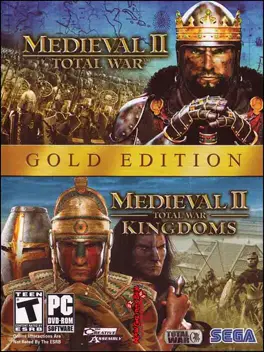
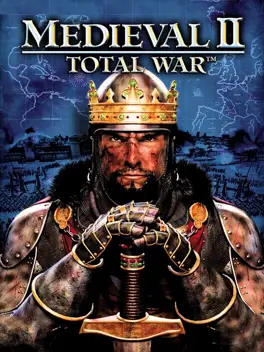
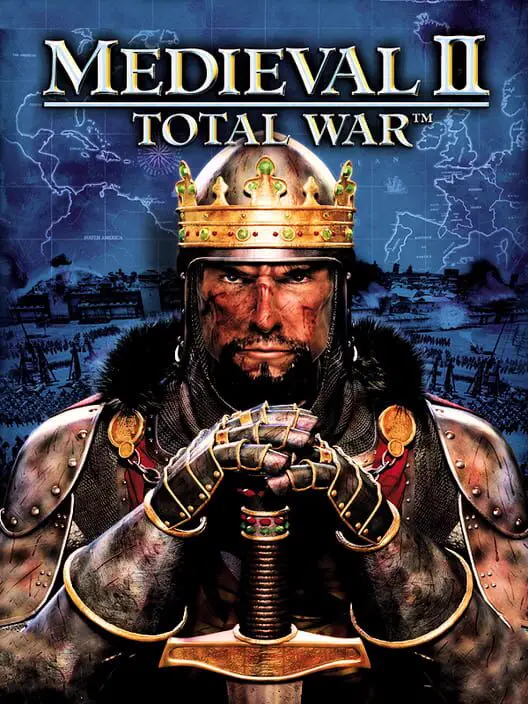
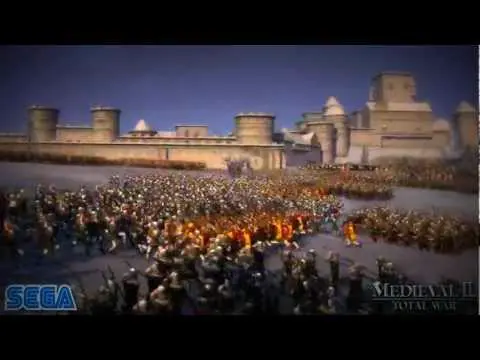
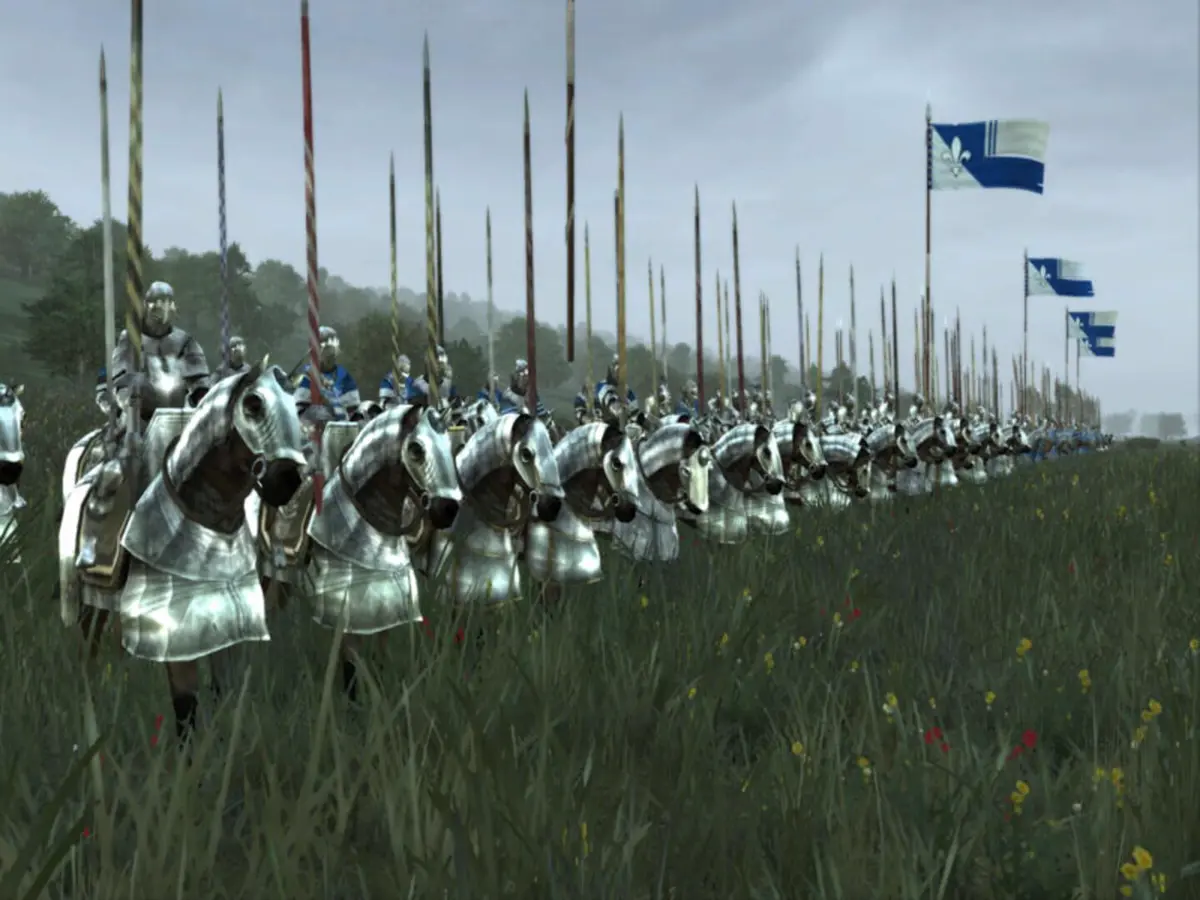
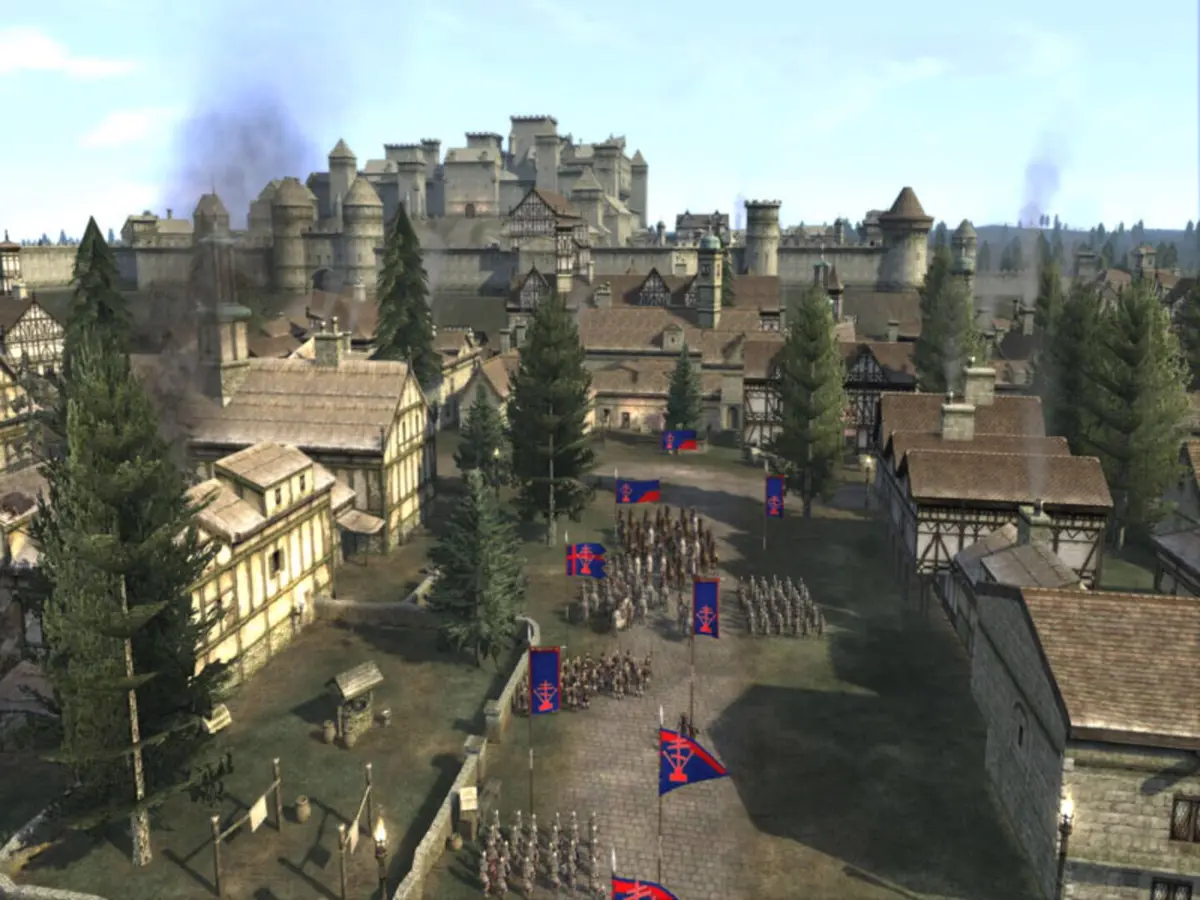
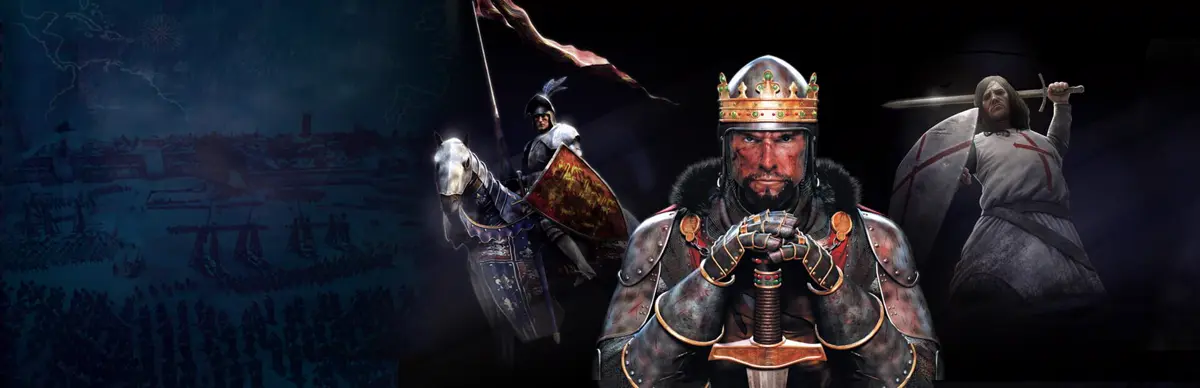
Medieval II: Total War is a strategy video game developed by the since-disbanded Australian branch of The Creative Assembly and published by Sega. It was released for Microsoft Windows on 10 November 2006. Feral Interactive published versions of the game for macOS and Linux on 14 January 2016. It is the sequel to 2002's Medieval: Total War and the fourth title in the Total War series.
From the Wikipedia article Medieval II: Total War, by its contributors, under CC BY-SA 4.0.
Developer and publisher
Creative Assembly Developer
British video game developer
Based in Horsham · founded 1987 · 25 other games here
Total War: Pharaoh, Total War: Warhammer III, Total War: Rome Remastered, Total War Saga: Troy · all 26
Sega Publisher
Japanese video game developer and publisher and subsidiary of Sega Sammy Holdings
Based in Shinagawa · founded 1960 · 343 other games here
Crazy Taxi: World Tour, Virtua Fighter Crossroads, Stranger Than Heaven, Persona 4 Revival · all 344
Platforms and release dates
| Platforms | Linux, Microsoft Windows, macOS |
|---|---|
| Released | November 11, 2006 |
PC system requirements
Not added yet.
Details
| Genre | turn-based strategy video game, real-time tactics |
|---|---|
| Modes | single-player video game, multiplayer video game |
| Series | Total War |
| Sold on | Steam, Humble Store |
| Country | United Kingdom |
| Age rating | Teen, PEGI 16 |
| Official site | totalwar.com |
Expansions
- Medieval II: Total War: Kingdoms 2007 · GameRaven score 8.8
What critics say
Medieval II polishes Rome's formula instead of reinventing it
Critics agreed the battles and campaign were superb. They disagreed on whether a careful refinement of the series deserved full marks.
Is Medieval II: Total War worth it?
Medieval II: Total War is a refinement and not a reinvention, and the critics who marked it down for that still praised how it plays. Its campaign links castles, cities, family and faith into one system, and its battles drew comparisons to old engravings. Expect some pathfinding bugs and weak AI. If you're new to Total War, or you liked Rome and want more of it, pick it up.
Best for: Strategy players new to Total War who want one of the series' most fully realized campaigns, and Rome: Total War fans who want the same formula with more politics and faith.
Written from the published record (critics' reviews, the developer's documentation and the game's history), not a hands-on playthrough. How these are written.
What critics praised
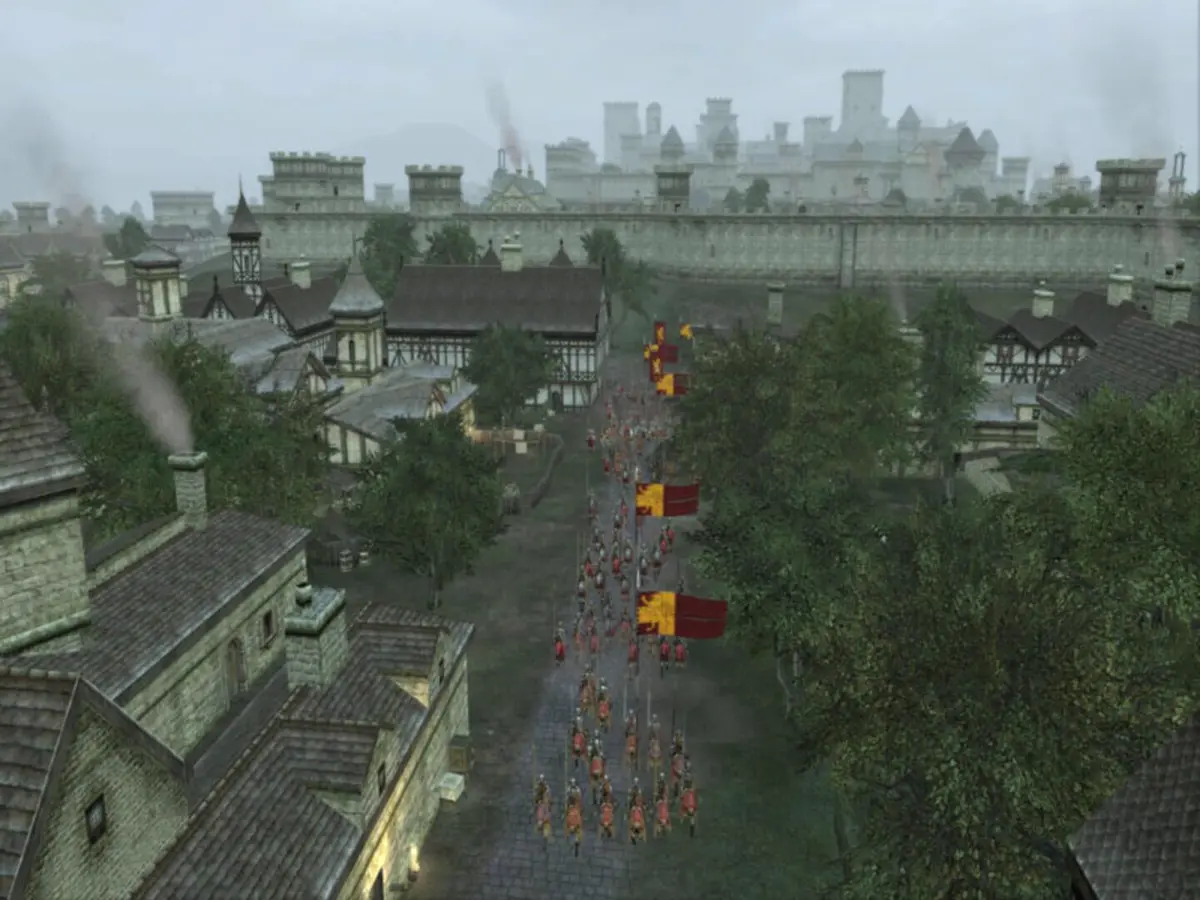
- Castles and cities force a real choice between economy and stronger troops[1]
- Religion, the Pope and excommunication add political pressure to every campaign[1]
- Short and long campaigns with clear, different win conditions[1]
- Seventeen playable factions starting in the 1080s[1]
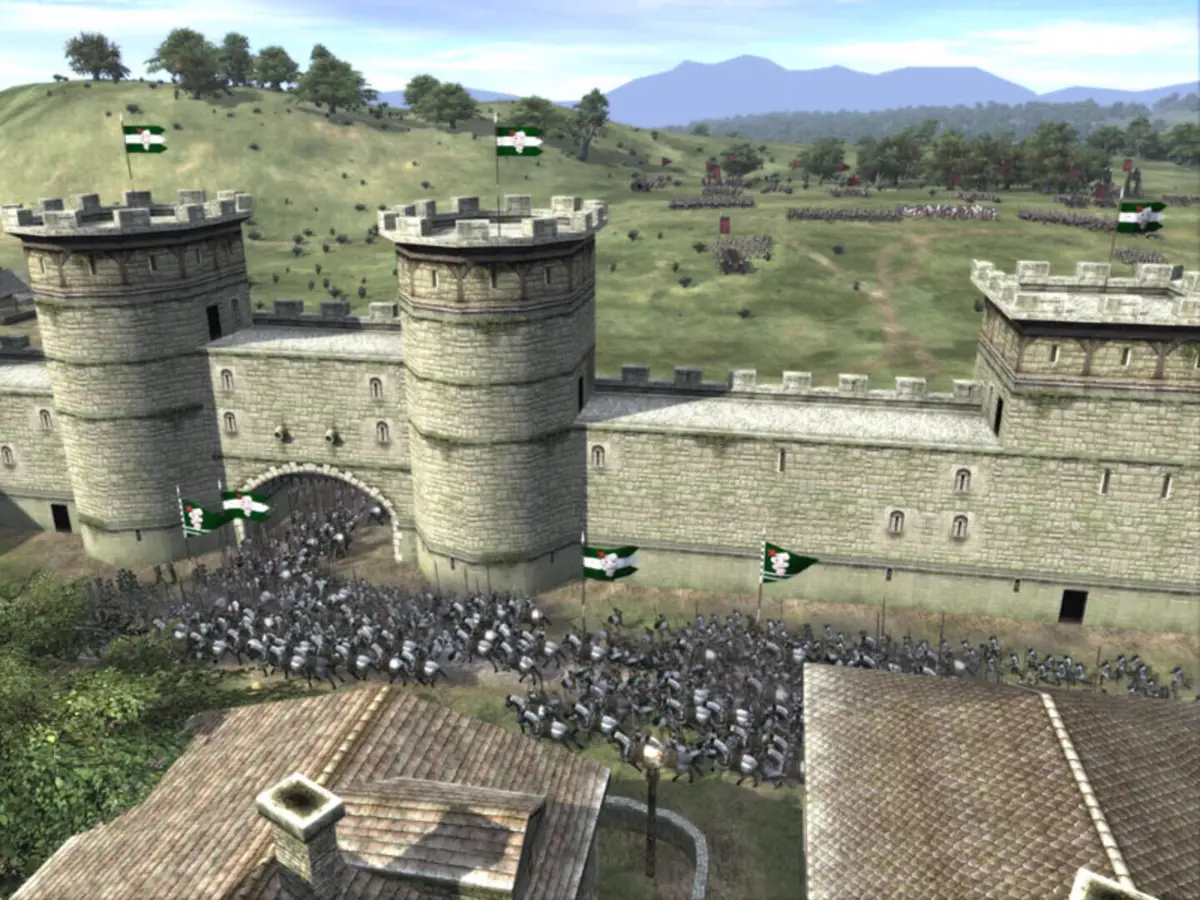
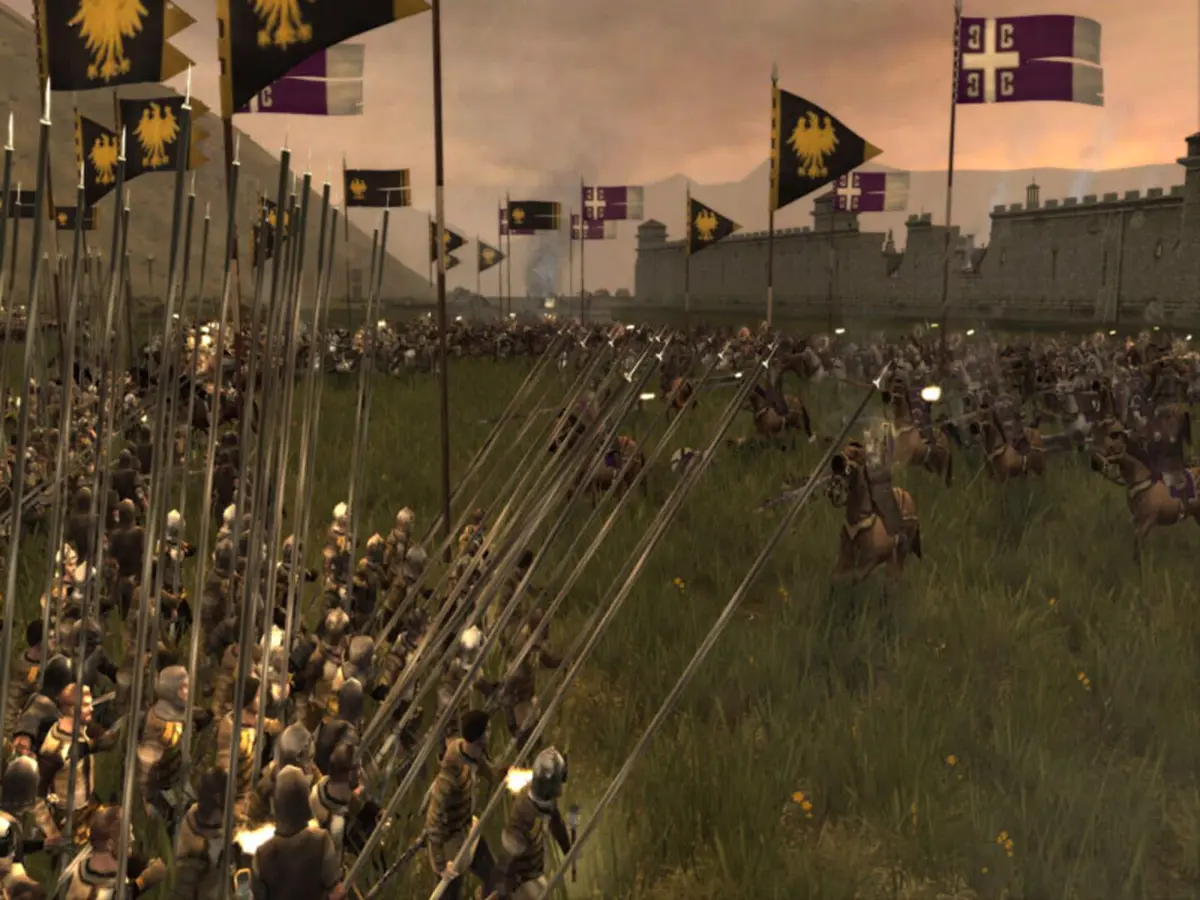
- Battles critics compared to historical engravings[1]
Critic scores by outlet
| Outlet | Score | Out of 100 | Version | Date |
|---|---|---|---|---|
| Kritikanstvo aggregate of 13 | 86/100 | 86 | – | – |
Scores as recorded on Wikidata, with the outlet's own link where Wikidata cites one. User ratings are not listed.
- AnalysisMedieval II polishes Rome's formula instead of reinventing it
Critics barely argued about whether Medieval II: Total War was good. They argued about whether it was new. IGN said it wasn't as revolutionary as its predecessor, but that it adds some new ideas and…
Community clips
See allCommunity images
See allNo community reviews yet. Be the first to review Medieval II: Total War: a score out of 10, what works, what doesn't.
How the score works
8.6GameRaven score = Critics 100%
- Critics8.6100%
- Community–0%
The GameRaven score of 8.6 is the critics' average, from critic aggregates, until members review the game. Community reviews and votes join it as they come in, each counting for more as more people stand behind it. How it's worked out.
Sources
References
- Wikipedia: Medieval II: Total War en.wikipedia.org
Where the rest comes from
- Facts and critic scores: Wikidata item Q629626 (CC0), read November 12, 2026. Spotted something wrong? It can be corrected on Wikidata, and the change reaches this page the next time the catalogue is read.
- Summary: Wikipedia, CC BY-SA 4.0.
- Cover art: IGDB.
- Critics' overview written from: Wikipedia: Medieval II: Total War, CC BY-SA 4.0.
- Critics' overview written from: Wikidata: Q629626, CC0.
- How the score is worked out: methodology.