Where to buy Papers, Please
Amazon links are affiliate links: as an Amazon Associate we earn from qualifying purchases.
About the game
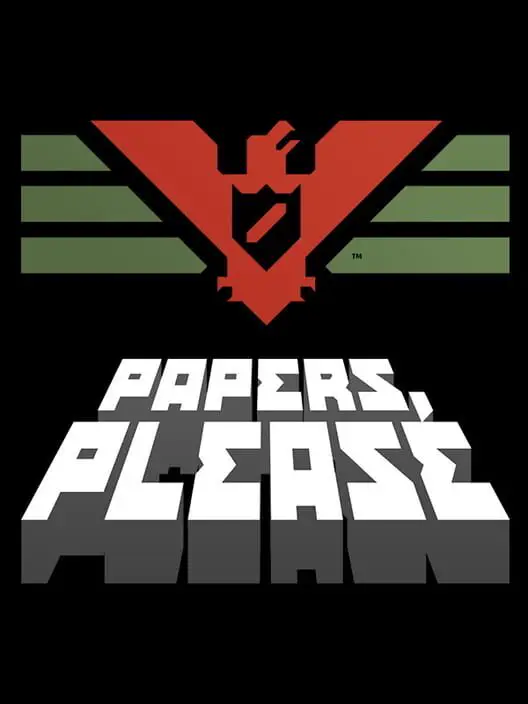
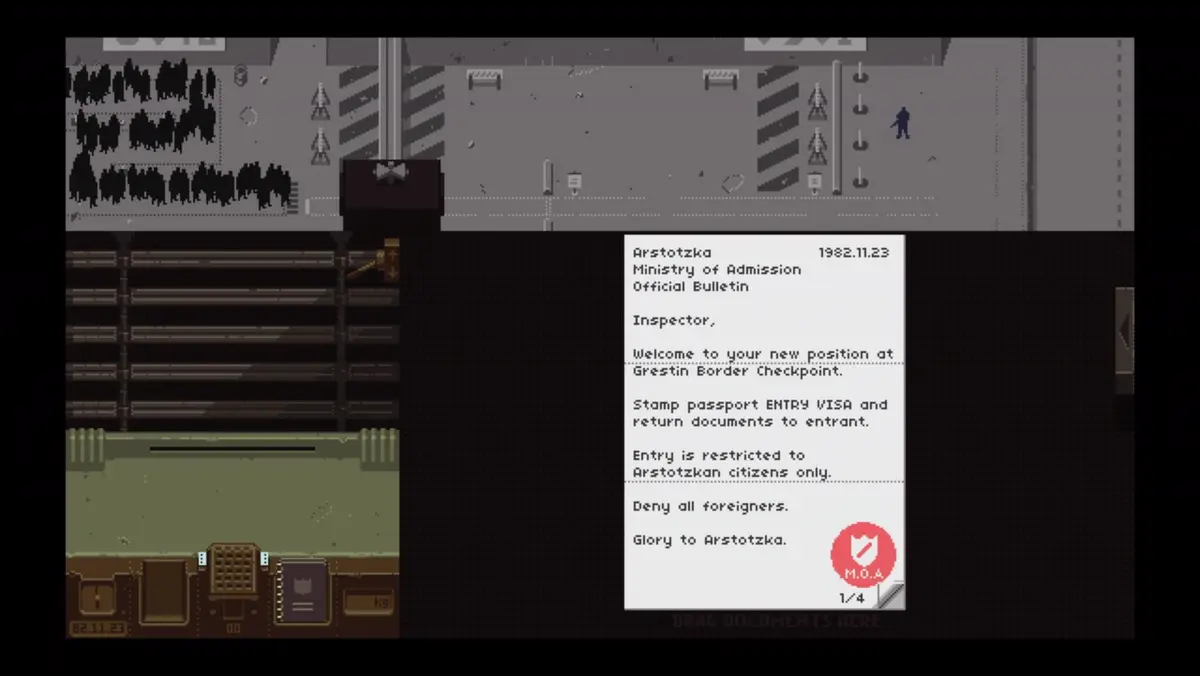
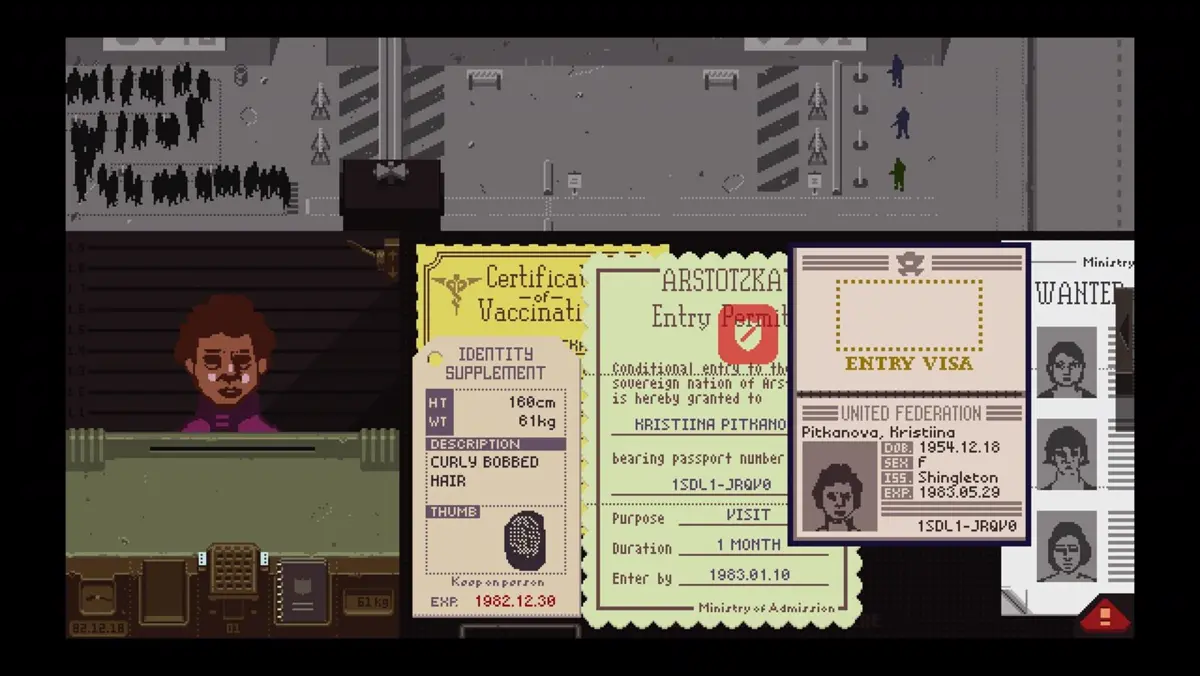
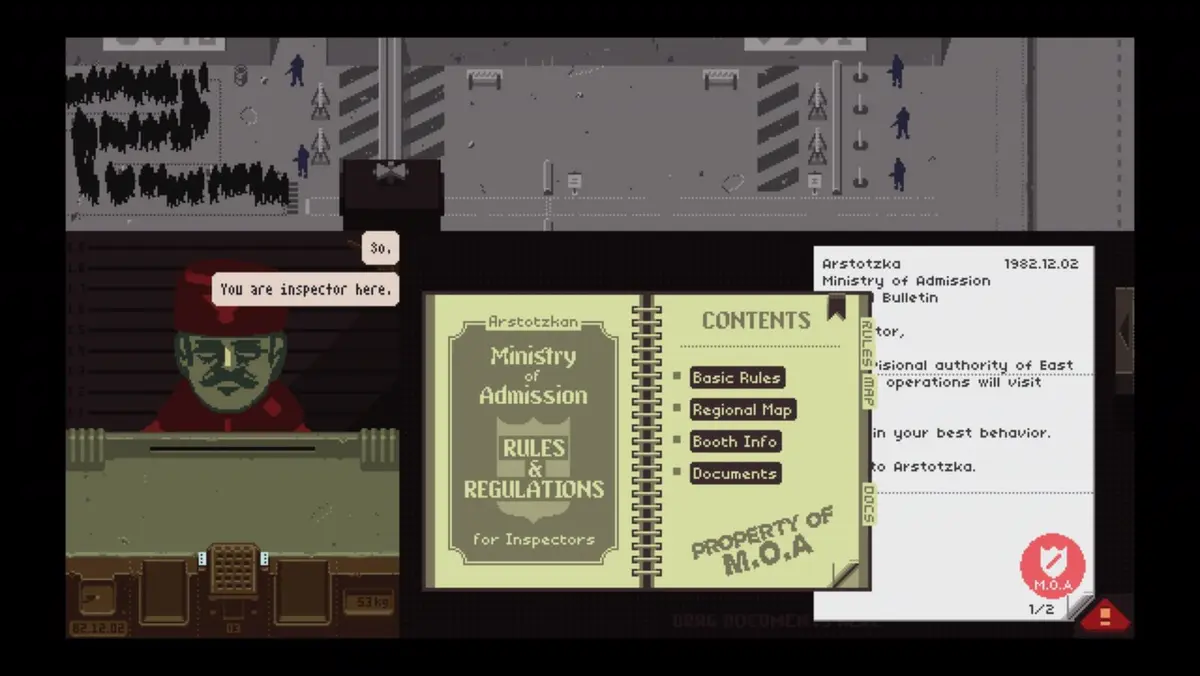
Papers, Please is a 2013 puzzle simulation video game by Lucas Pope, developed and published independently through his production company 3909. The game was released on August 8, 2013, for Microsoft Windows and OS X, for Linux on February 12, 2014, and for iOS on December 12, 2014. A port for the PlayStation Vita was announced in August 2014 and was then released on December 12, 2017. A port for Android, alongside an updated port for iOS, was released in August 2022.
From the Wikipedia article Papers, Please, by its contributors, under CC BY-SA 4.0.
Developer and publisher
Platforms and release dates
| Platform | Released |
|---|---|
| Android | – |
| Linux | February 12, 2014 (worldwide) |
| Microsoft Windows | August 8, 2013 (worldwide) |
| macOS | August 8, 2013 (worldwide) |
| iOS | December 12, 2014 (worldwide) |
| PlayStation Vita | December 12, 2017 (worldwide) |
PC system requirements
Not added yet.
Details
| Genre | adventure video game, simulation video game |
|---|---|
| Modes | single-player video game |
| Engine | Unity |
| Sold on | Steam, GOG.com, PlayStation Store, Humble Store |
| Country | Japan |
| Official site | papersplea.se |
What critics say
Papers, Please makes a border desk job feel like a moral trap
Lucas Pope's 1982 checkpoint sim won critics over with dread and hard choices, though some found the paperwork itself a slog.
Is Papers, Please worth it?
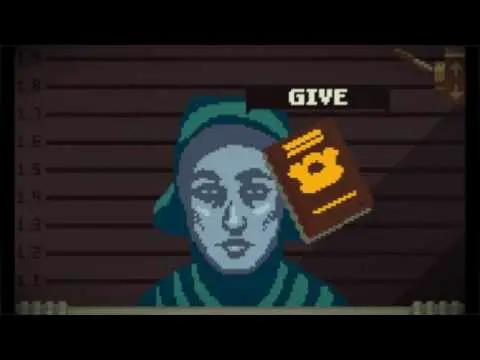
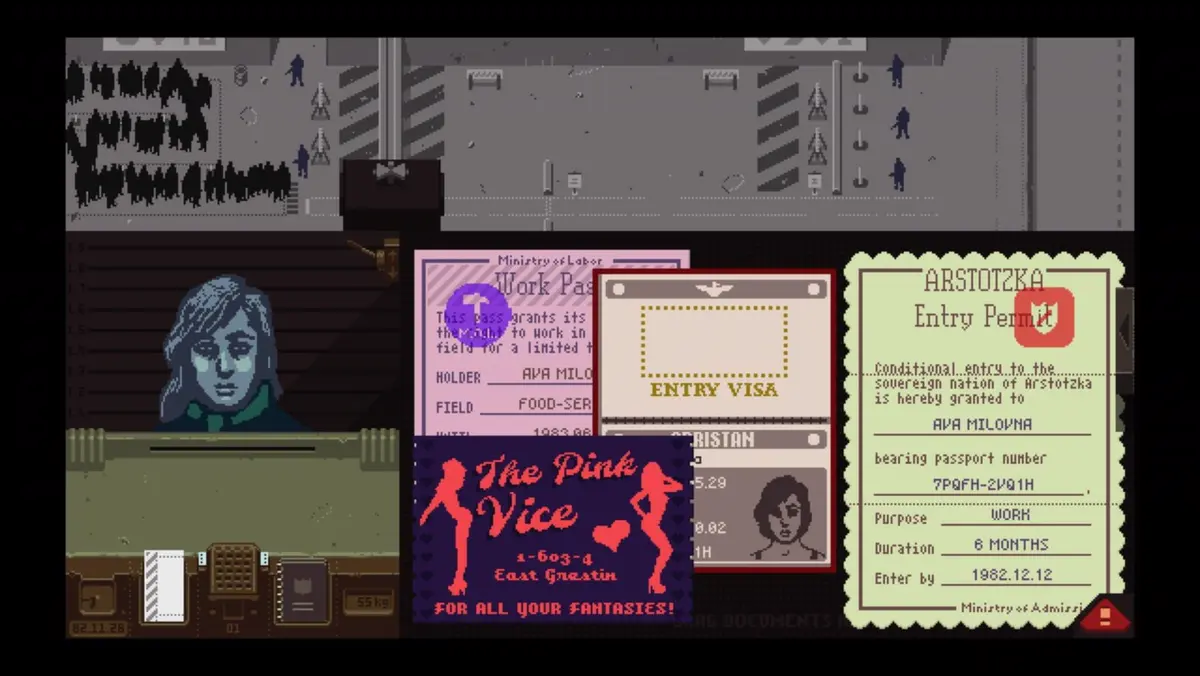
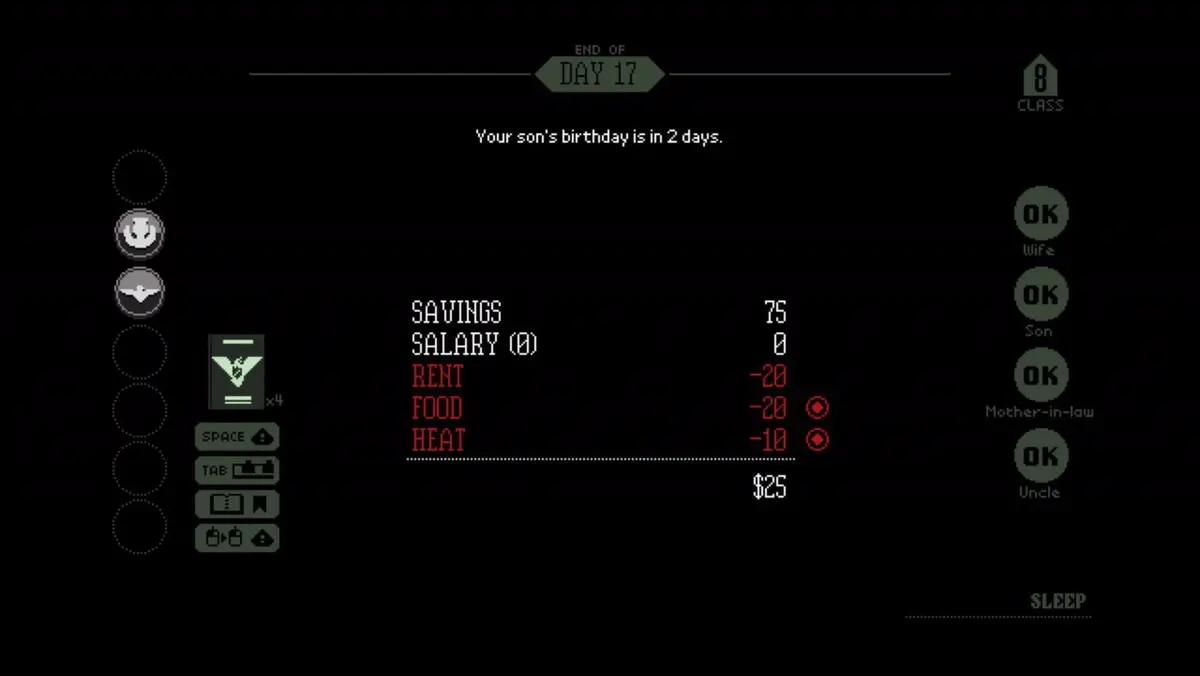
Papers, Please turns stamping passports into a steady squeeze between the rulebook, the people in line and a family at home that needs food and heat. Critics rated it highly. Its aggregates sit at 91/100 and 85/100, its critic average is 8.8, and it won the Seumas McNally Grand Prize and a BAFTA for best simulation game. A few reviewers found the document checking tedious, and that loop is the whole game. Play it, unless repetitive desk work is a dealbreaker for you.
Best for: Players who enjoy careful, rule-based puzzles under time pressure and want the choices to weigh on them. Skip it if repetitive desk work sounds like a chore rather than a hook.
Written from the published record (critics' reviews, the developer's documentation and the game's history), not a hands-on playthrough. How these are written.
What critics praised
- Document checking that gets harder every day as new rules arrive[1]
- Family budget makes every bribe and act of mercy cost something[1]
- Twenty endings tied to the EZIC plot and the escape to Obristan[1]
- Drab, oppressive style that critics said fits the police-state setting[1]
- Endless modes add play beyond the story[1]
Critic scores by outlet
| Outlet | Score | Out of 100 | Version | Date |
|---|---|---|---|---|
| CriticDB aggregate of 6 | 85/100 | 85 | Microsoft Windows | – |
| Kritikanstvo aggregate of 18 | 91/100 | 91 | – | – |
Scores as recorded on Wikidata, with the outlet's own link where Wikidata cites one. User ratings are not listed.
- AnalysisPapers, Please makes a border desk job feel like a moral trap
Papers, Please is for players who like small, exacting tasks under a clock, and who want those tasks to mean something. You play an immigration inspector at a border checkpoint in Arstotzka, a…
Community clips
See allCommunity images
See allNo community reviews yet. Be the first to review Papers, Please: a score out of 10, what works, what doesn't.
How the score works
8.8GameRaven score = Critics 100%
- Critics8.8100%
- Community–0%
The GameRaven score of 8.8 is the critics' average, from critic aggregates, until members review the game. Community reviews and votes join it as they come in, each counting for more as more people stand behind it. How it's worked out.
Sources
References
- Wikipedia: Papers, Please en.wikipedia.org
Where the rest comes from
- Facts and critic scores: Wikidata item Q14565978 (CC0), read November 12, 2026. Spotted something wrong? It can be corrected on Wikidata, and the change reaches this page the next time the catalogue is read.
- Summary: Wikipedia, CC BY-SA 4.0.
- Cover art: IGDB.
- Critics' overview written from: Wikipedia: Papers, Please, CC BY-SA 4.0.
- Critics' overview written from: Wikidata: Q14565978, CC0.
- How the score is worked out: methodology.