Where to buy PaRappa the Rapper
Amazon links are affiliate links: as an Amazon Associate we earn from qualifying purchases.
About the game
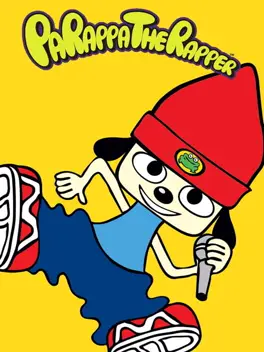
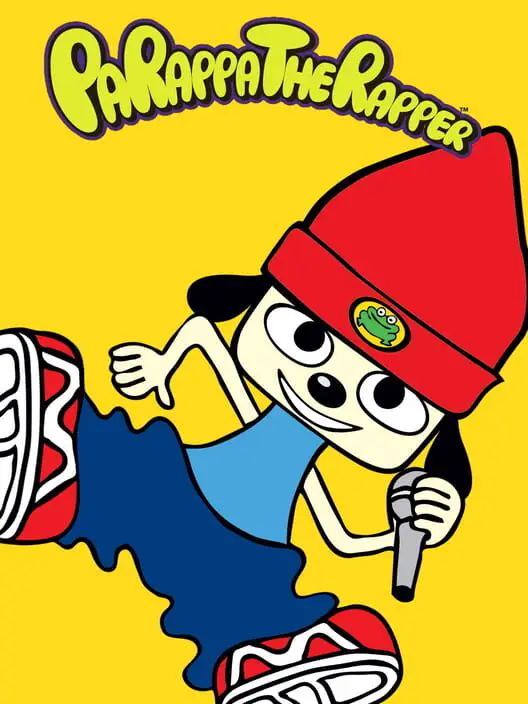
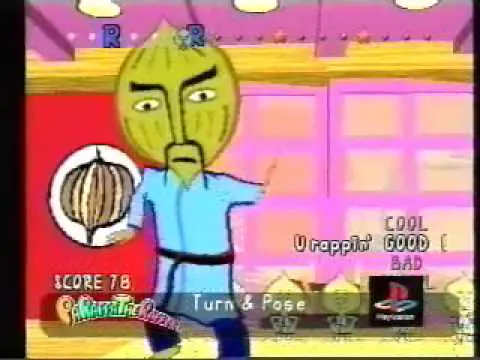
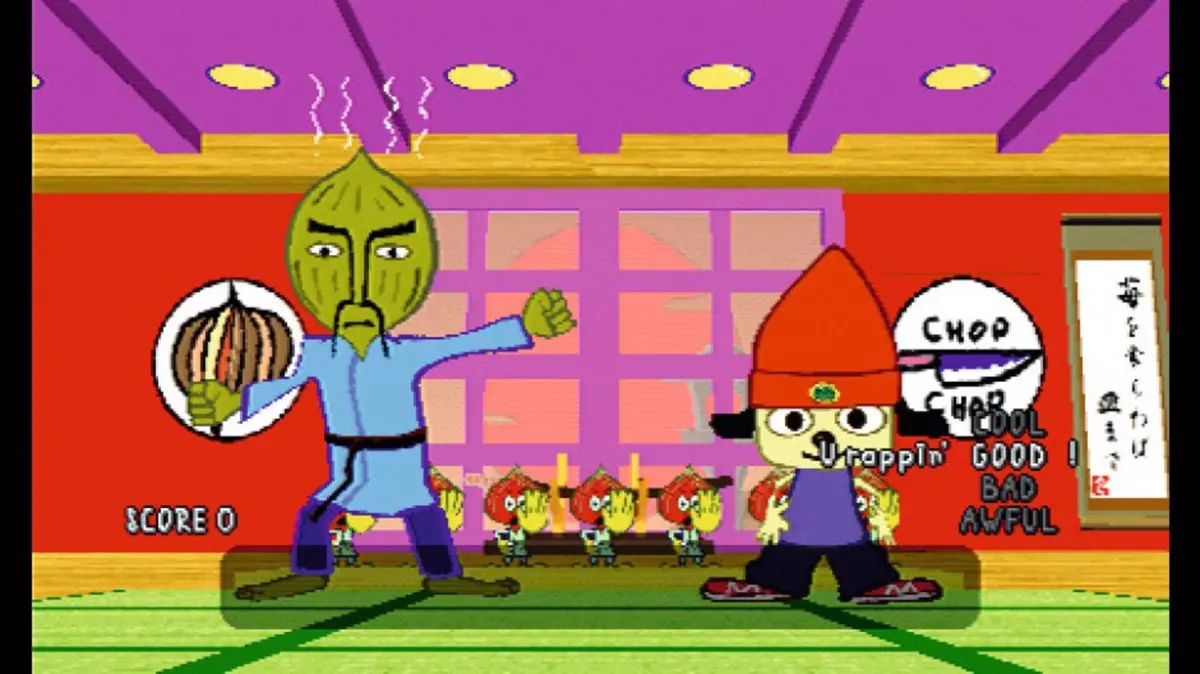
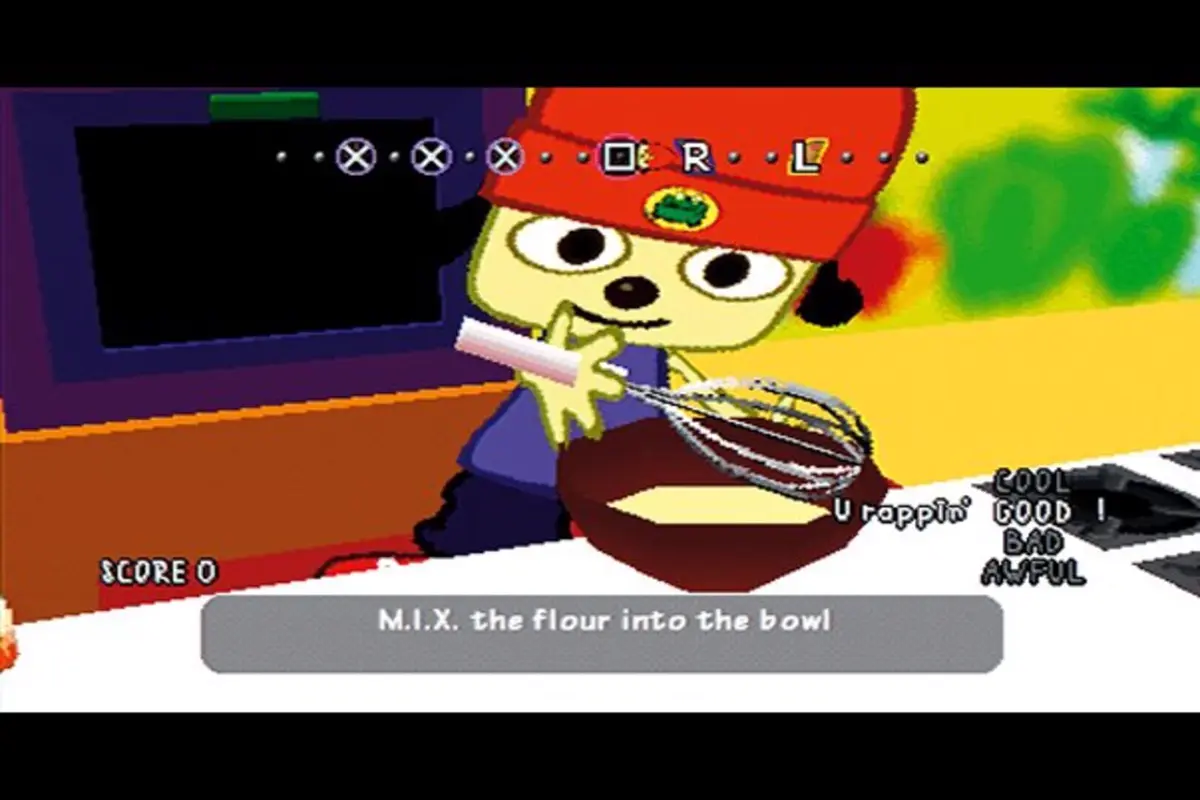
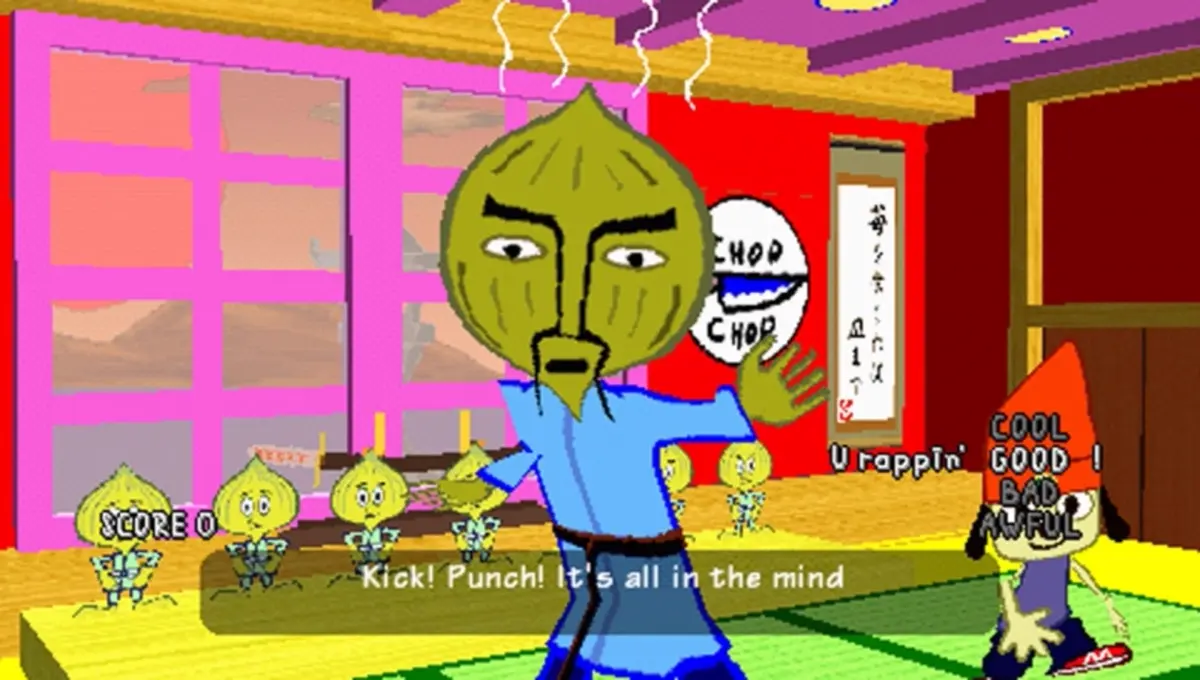
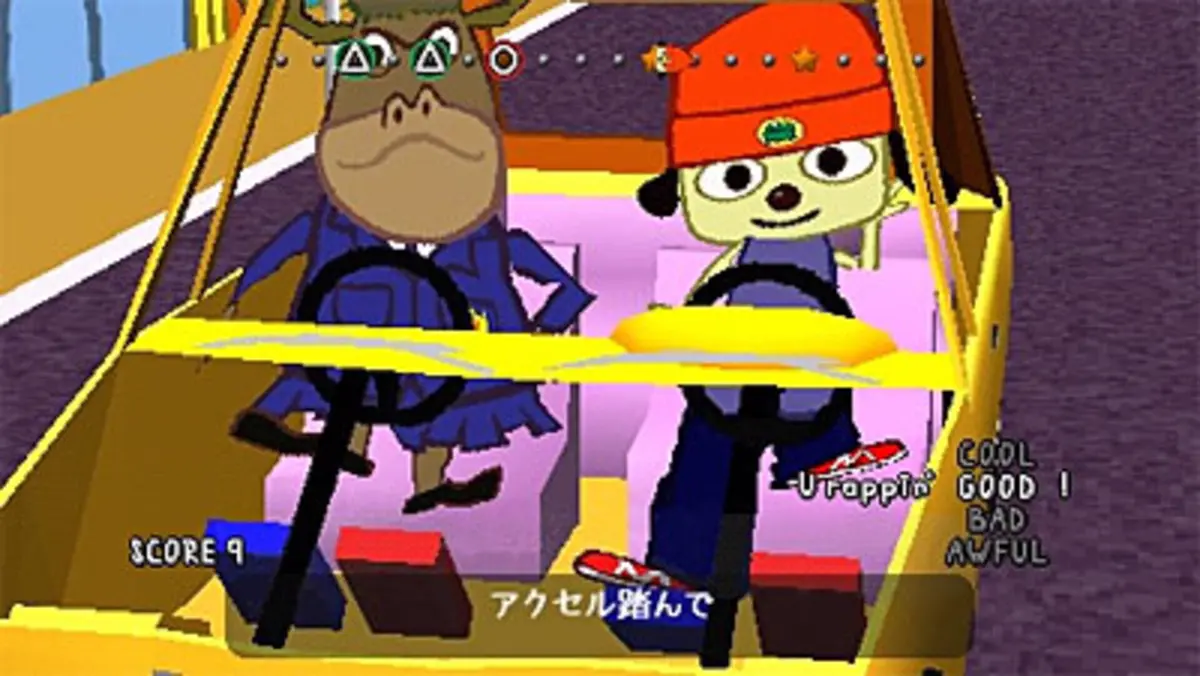
Players press buttons that match a teacher's rap lyrics as the beat scrolls across the screen, trying to time their taps correctly through six stages. Each attempt is ranked Awful, Bad, Good, or Cool depending on how consistently the player hits the beat, and a stage must be cleared with at least a Good ranking, while a Cool ranking unlocks a bonus mode.[1] The result is a rhythm game, specifically a music video game, built around a single-player campaign.[2] Its premise follows PaRappa, a paper-thin rapping dog, as he tries to win the heart of Sunny Funny while competing with the wealthy dog Joe Chin.[1]
NanaOn-Sha built PaRappa the Rapper, and Sony Computer Entertainment brought it to market, first in Japan on December 6, 1996, then worldwide in 1997 for the PlayStation.[2][1] It was later ported to the PlayStation Portable in 2006 for the series' 10-year anniversary, and a remastered version arrived on PlayStation 4 in 2017 for its 20th anniversary.[1] The game was designed by Masaya Matsuura, a musician with the band PSY.S, with development beginning in 1994.[1][2] The artist Rodney Greenblat contributed character designs that rendered the cast as flat, paper-like figures moving through three-dimensional environments. Matsuura, drawing on his interest in sampling, wanted to build a music game around real voices and rap rather than MIDI synthesizers, leading the soundtrack to rely on samplers, with some early sampled vocals later redone.[1]
In Japan, initial shipments were limited to 30,000 units, but the game sold steadily at around 20,000 copies per week, reaching 761,621 units sold during 1997 and ranking as the seventh best-selling game that year. Sony awarded it a Platinum Prize in May 1998 for surpassing one million sales in Japan, and by 2003 it had sold 1.47 million copies domestically and 214,398 in the United States. Critics singled out the music, the story, the animation, and the gameplay for praise. Its brevity, however, drew widespread criticism, and Electronic Gaming Monthly's Dan Hsu still called it a "Sleeper Hit of the Holidays."[1] IGN praised its quirky nature and music, while GameSpot highlighted its paper-doll animation and visual design against 3D backdrops. The game later won awards including Outstanding Achievement in Interactive Design and Sound and Music in 1998. The remastered PlayStation 4 version received mixed reviews, with critics noting improved graphics that did not extend to the cutscenes.[1]
Developer and publisher
Sony Interactive Entertainment Publisher
American multinational software company
Based in Tokyo · founded 1993 · 206 other games here
God of War Laufey, Wolverine, Saros, Marvel Tōkon: Fighting Souls · all 207
Platforms and release dates
| Platforms | PlayStation, PlayStation Portable, PlayStation 4 |
|---|---|
| Released | December 6, 1996 |
Details
| Genre | music video game, rhythm game |
|---|---|
| Modes | single-player video game |
| Series | PaRappa the Rapper |
| Sold on | PlayStation Store |
| Country | Japan |
| Age rating | Kids to Adults, PEGI 3 |
| Official site | jp.playstation.com |
What critics say
PaRappa the Rapper proves style can carry a game built on button timing
The 1996 rap game that critics called the first true rhythm game still charms, but its 2017 PS4 remaster struggles with timing.
Is PaRappa the Rapper worth it?
PaRappa the Rapper is a simple button-timing game, and critics agreed its songs, paper-doll art and humor made that simplicity work. In 1996 that won it awards and a big audience. The 2017 PS4 remaster keeps the charm, but reviewers reported input lag and no calibration setting, which is a real problem in a game where timing is everything. Wait for a sale on the remaster, and go in expecting a short, silly, sometimes frustrating game.
Best for: Fans of rhythm games and video game history who want to see where the genre started, and who won't mind a short game with some timing problems on PS4.
Written from the published record (critics' reviews, the developer's documentation and the game's history), not a hands-on playthrough. How these are written.
What critics praised
Critic scores by outlet
| Outlet | Score | Out of 100 | Version | Date |
|---|---|---|---|---|
| OpenCritic aggregate of 35 | 60/100 | 60 | – | May 10, 2017 |
OpenCritic: 14% of critics recommend it.
Scores as recorded on Wikidata, with the outlet's own link where Wikidata cites one. User ratings are not listed.
- AnalysisPaRappa the Rapper proves style can carry a game built on button timing
Next Generation summed up the game in one line: style over substance had "never been better done". That's the idea PaRappa is built on. The mechanic is about as basic as games get, and everything…
Community clips
See allCommunity images
See allNo community reviews yet. Be the first to review PaRappa the Rapper: a score out of 10, what works, what doesn't.
How the score works
6.0GameRaven score = Critics 100%
- Critics6.0100%
- Community–0%
The GameRaven score of 6.0 is the critics' average, from critic aggregates, until members review the game. Community reviews and votes join it as they come in, each counting for more as more people stand behind it. How it's worked out.
Sources
References
- Wikipedia: PaRappa the Rapper en.wikipedia.org
- Wikidata: Q1340462 wikidata.org
Where the rest comes from
- Facts and critic scores: Wikidata item Q1340462 (CC0), read November 12, 2026. Spotted something wrong? It can be corrected on Wikidata, and the change reaches this page the next time the catalogue is read.
- Summary: Wikipedia, CC BY-SA 4.0.
- Cover art: IGDB.
- Critics' overview written from: Wikipedia: PaRappa the Rapper, CC BY-SA 4.0.
- Critics' overview written from: Wikidata: Q1340462, CC0.
- How the score is worked out: methodology.