Where to buy Pokémon Snap
Amazon links are affiliate links: as an Amazon Associate we earn from qualifying purchases.
About the game
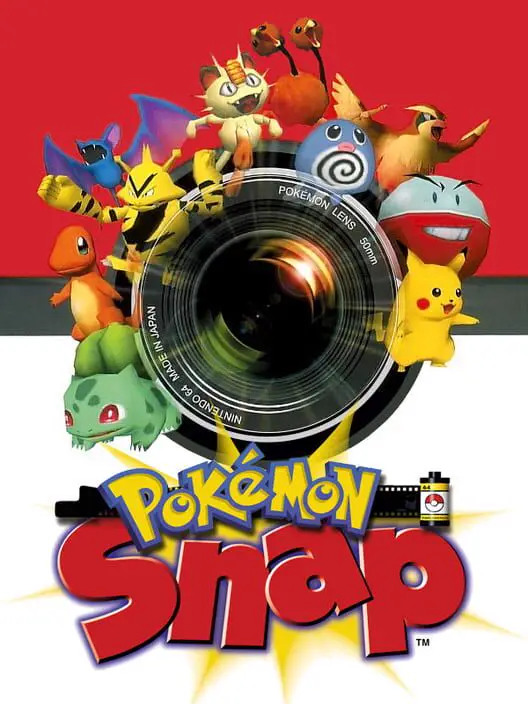
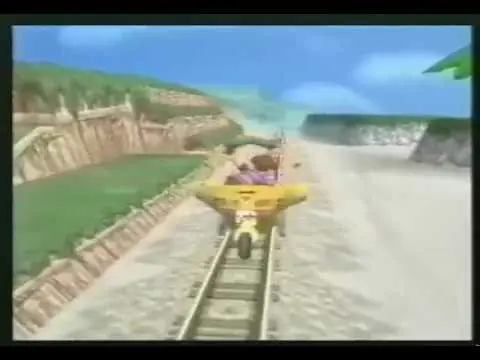
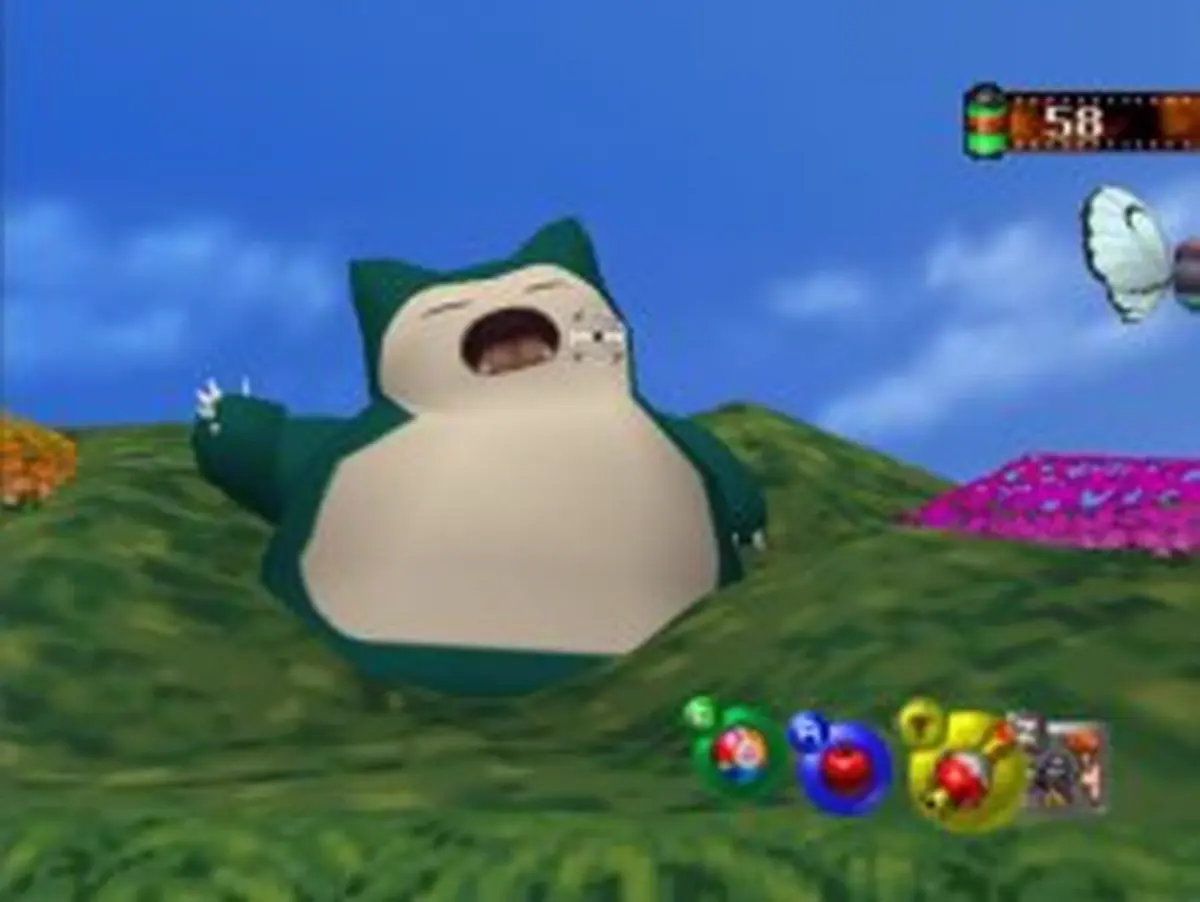
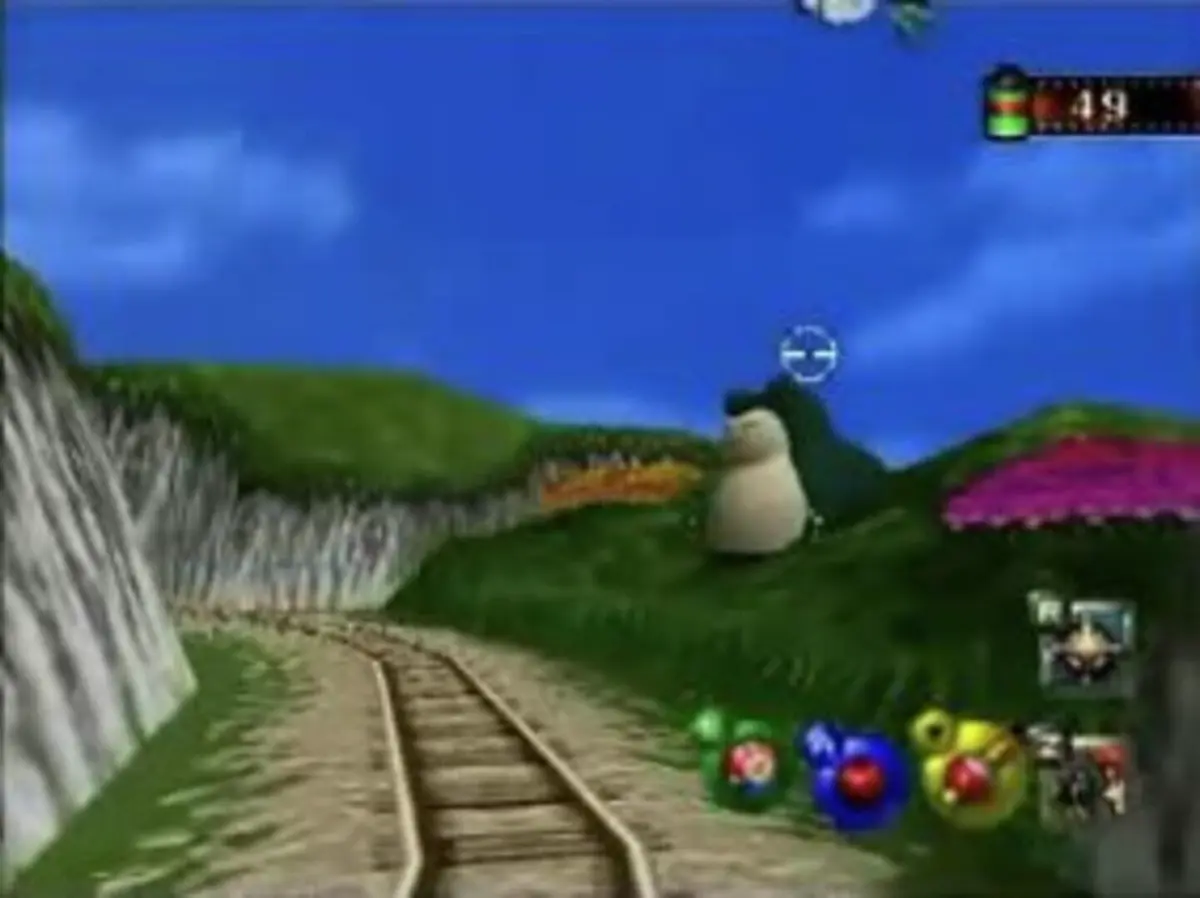
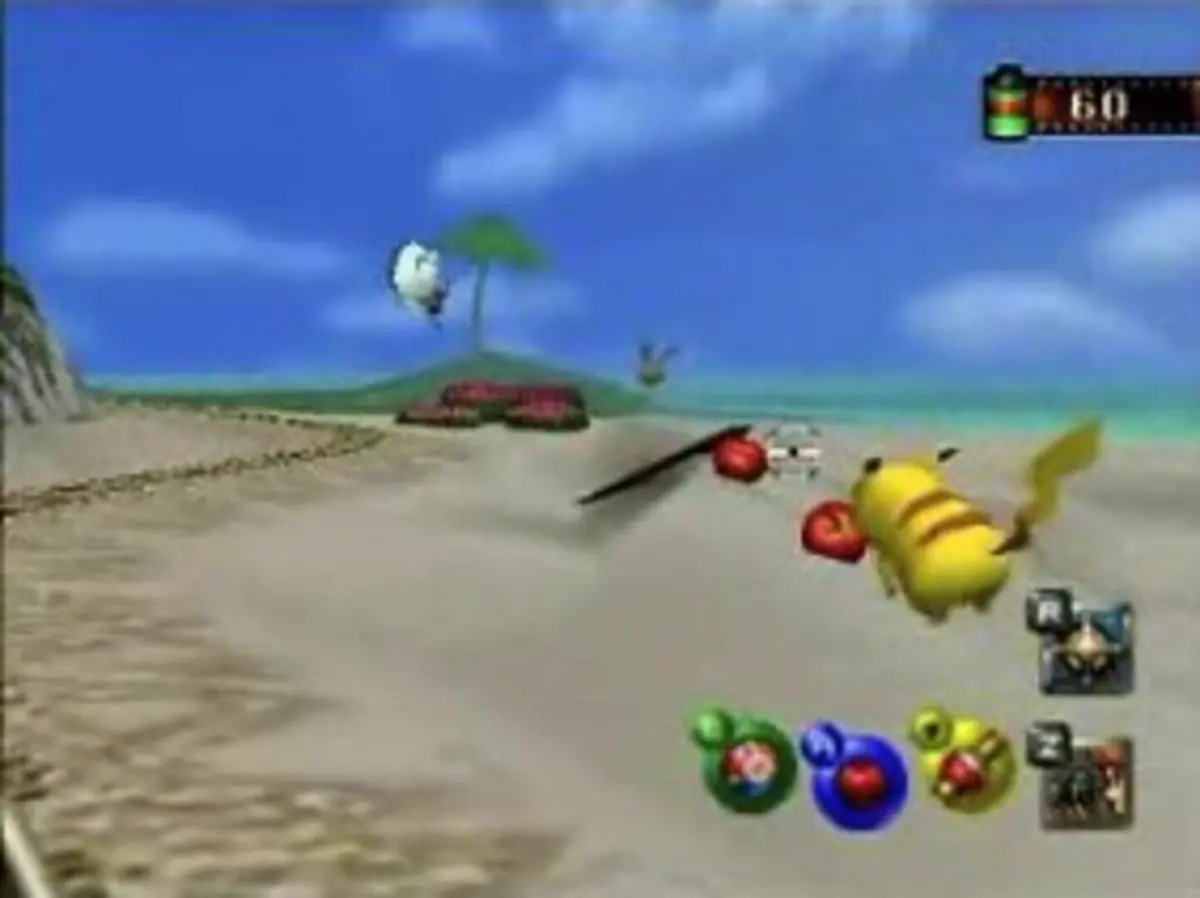
Pokémon Snap is a 1999 photography video game developed by HAL Laboratory and published by Nintendo for the Nintendo 64. It was first released in Japan in March 1999 and was later released in July 1999 in North America and in September 2000 for PAL regions. It is a spin-off game in the Pokémon series, being one of the first console-based games for it, and featuring many Pokémon rendered for the first time in real-time 3D. The game was re-released for the Wii's Virtual Console in December 2007, for the Wii U's Virtual Console in 2016, and for the Nintendo Classics service in June 2022.
From the Wikipedia article Pokémon Snap, by its contributors, under CC BY-SA 4.0.
Developer and publisher
HAL Laboratory Developer
Japanese video game developer
Based in Chiyoda · founded 1980 · 23 other games here
Kirby and the World Beyond, Kirby's Return to Dream Land Deluxe, Kirby and the Forgotten Land, Kirby's Dream Buffet · all 24
Nintendo Publisher
Japanese multinational video game and consumer electronics company
Based in Kyoto · founded 1889 · 295 other games here
Xenoblade Genesis, Kirby and the World Beyond, Metroid Ravenous, Pokémon Champions · all 296
Platforms and release dates
| Platform | Released |
|---|---|
| Wii U | – |
| Nintendo 64 | March 21, 1999 (Japan) July 26, 1999 (North America) September 15, 2000 (PAL region) |
Details
| Genre | rail shooter, photography game |
|---|---|
| Modes | single-player video game |
| Series | Pokémon Snap |
| Country | Japan |
| Age rating | Everyone |
What critics say
HAL Laboratory traded Poké Balls for a camera, and critics mostly loved it
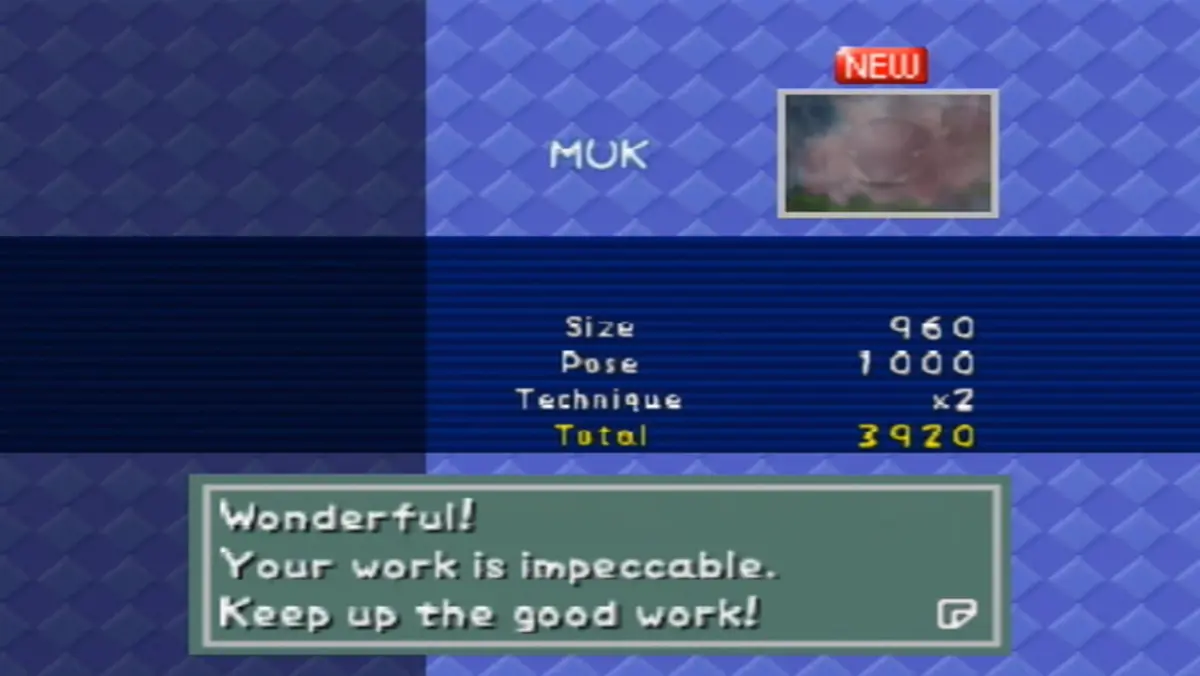
Pokémon Snap swapped battles for photos of 63 Pokémon in 3D. Critics called it fresh and charming, and they kept calling it short.
Is Pokémon Snap worth it?
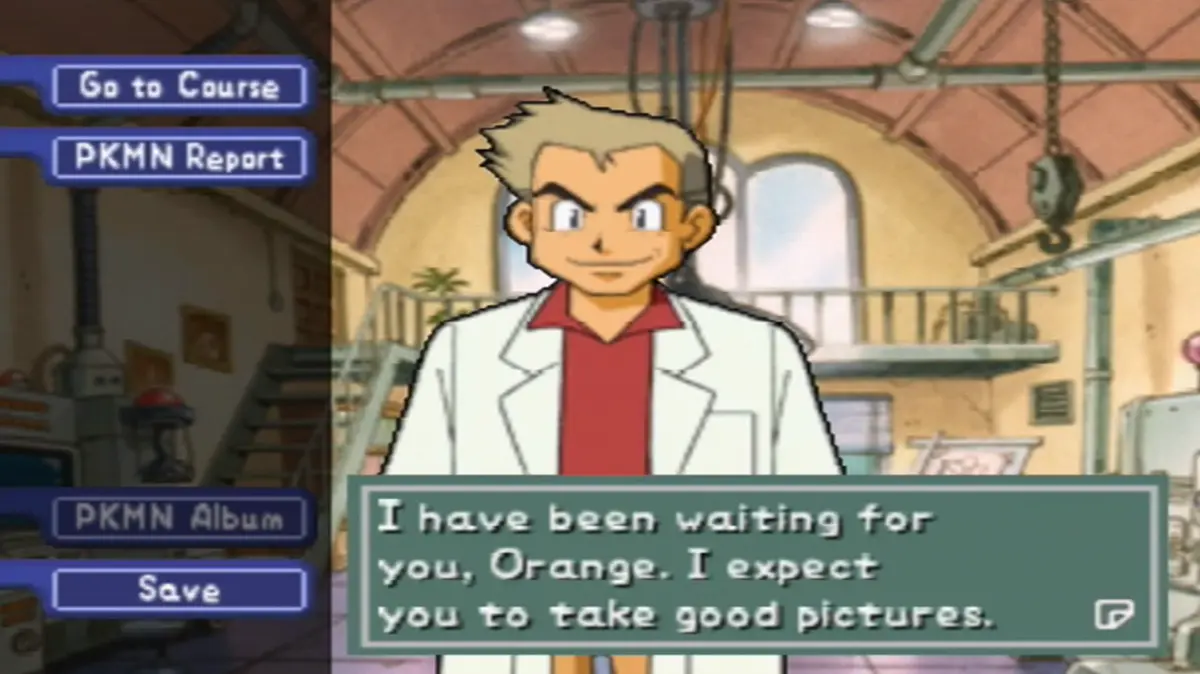
Pokémon Snap is a short, gentle game built on one clever swap: you photograph Pokémon instead of catching them, and Professor Oak grades the shots. Critics praised how alive the Pokémon seemed, and they were just as consistent in complaining about its length and thin roster. Play it, and expect to finish it in an evening or two.
Best for: Pokémon fans and younger players who want a relaxed game about watching creatures, and anyone curious about an early photography game. Skip it if you want a long game or the full original roster.
Written from the published record (critics' reviews, the developer's documentation and the game's history), not a hands-on playthrough. How these are written.
What critics praised
Critic scores by outlet
| Outlet | Score | Out of 100 | Version | Date |
|---|---|---|---|---|
| IGN | 7.8/10 | 78 | Nintendo 64 | – |
Scores as recorded on Wikidata, with the outlet's own link where Wikidata cites one. User ratings are not listed.
- AnalysisHAL Laboratory traded Poké Balls for a camera, and critics mostly loved it
Pokémon Snap was one of the first Pokémon games made for a home console, and for many Pokémon it was their first appearance in real-time 3D. HAL Laboratory, the studio behind the Kirby games…
Community clips
See allCommunity images
See allNo community reviews yet. Be the first to review Pokémon Snap: a score out of 10, what works, what doesn't.
How the score works
7.8GameRaven score = Critics 100%
- Critics7.8100%
- Community–0%
The GameRaven score of 7.8 is the critics' average, from 1 critic, until members review the game. Community reviews and votes join it as they come in, each counting for more as more people stand behind it. How it's worked out.
Sources
References
- Wikipedia: Pokémon Snap en.wikipedia.org
- IGN review ign.com
Where the rest comes from
- Facts and critic scores: Wikidata item Q1705294 (CC0), read November 12, 2026. Spotted something wrong? It can be corrected on Wikidata, and the change reaches this page the next time the catalogue is read.
- Summary: Wikipedia, CC BY-SA 4.0.
- Cover art: IGDB.
- Critics' overview written from: Wikipedia: Pokémon Snap, CC BY-SA 4.0.
- Critics' overview written from: Wikidata: Q1705294, CC0.
- How the score is worked out: methodology.