
Where to buy Portal 2
Amazon links are affiliate links: as an Amazon Associate we earn from qualifying purchases.
About the game
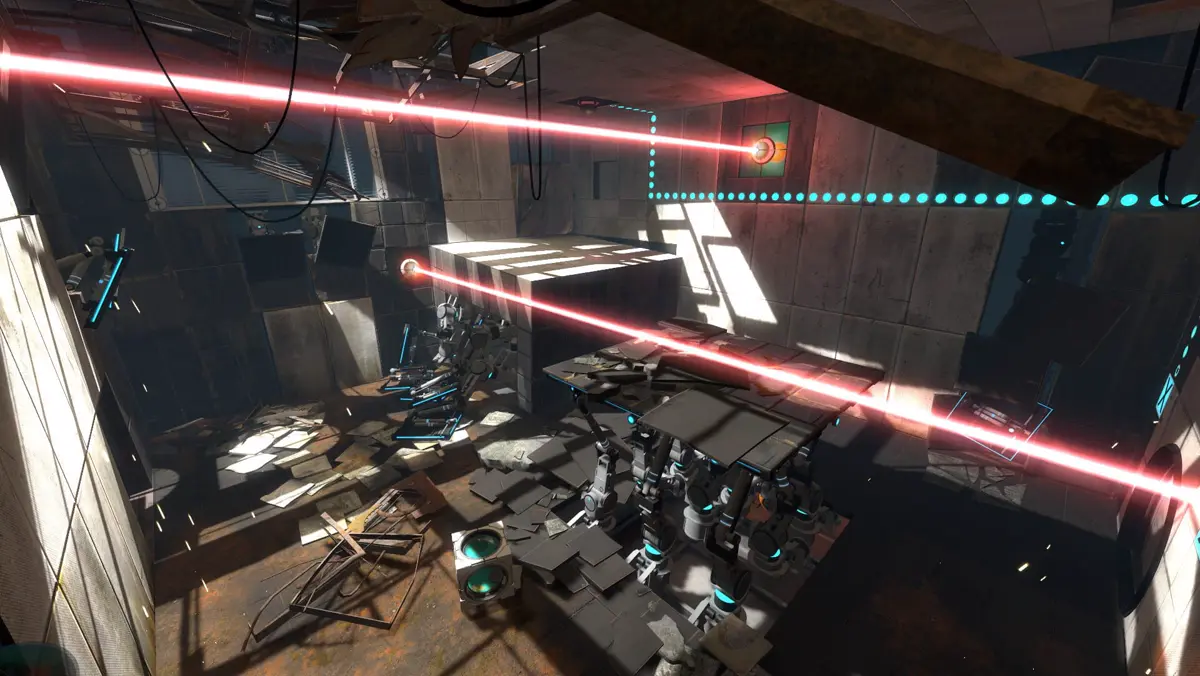
Portal 2 is a 2011 first person puzzle-platform game developed by Valve for Windows, macOS, Linux, PlayStation 3, and Xbox 360. The retail versions and PlayStation 3 and Xbox 360 versions were distributed by Electronic Arts. A port for the Nintendo Switch was released as part of the Portal: Companion Collection in June 2022.
From the Wikipedia article Portal 2, by its contributors, under CC BY-SA 4.0.
Developer and publisher
Valve Corporation Developer and Publisher
American video game development and digital distribution company
Based in Bellevue · founded 1996 · 27 other games here
Counter-Strike 2, Half-Life: Alyx, Artifact, The Escapists 2 · all 28
Platforms and release dates
| Platform | Released |
|---|---|
| Linux | April 18, 2011 February 26, 2014 |
| Microsoft Windows | April 18, 2011 April 19, 2011 |
| PlayStation 3 | April 19, 2011 |
| macOS | April 19, 2011 |
| Xbox 360 | April 19, 2011 |
PC system requirements
Not added yet.
Details
| Genre | puzzle video game, first-person shooter, science fiction video game, post-apocalyptic video game |
|---|---|
| Modes | single-player video game, co-op mode, multiplayer video game |
| Engine | Source |
| Series | Portal |
| Sold on | Steam, Microsoft Store, Nintendo eShop |
| Country | United States |
| Age rating | Everyone 10+, PEGI 12 |
| Official site | thinkwithportals.com |
What critics say
Portal 2 grows its portal puzzles into a funny story and a standout co-op mode
Critics called Valve's 2011 sequel better than the original, though a few found it gentler, chattier and more guided than Portal.
Is Portal 2 worth it?
Portal 2 has a 95/100 aggregate from 52 critic reviews, and the praise is specific: clever puzzles, sharp comedy writing and a co-op campaign built around teamwork. The complaints are real but smaller. Some critics found it easier and more scripted than the first game, and the middle act loses its sense of direction. Play it, and bring a friend for the co-op.
Best for: Anyone who likes puzzles that reward a sudden insight more than raw reflexes, and especially pairs of friends who want a co-op game that depends on talking to each other. Players who loved the original's lonely, quiet mood may find this one chattier.
Written from the published record (critics' reviews, the developer's documentation and the game's history), not a hands-on playthrough. How these are written.
What critics praised
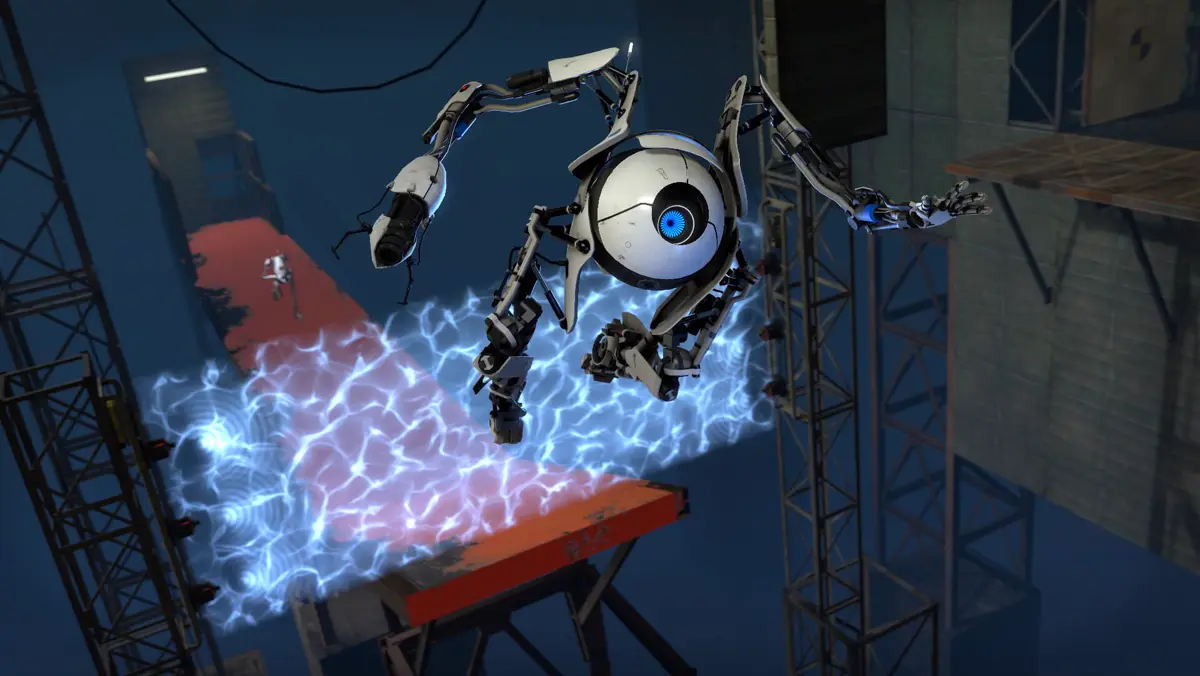
- Lasers, light bridges, tractor beams and gels add variety without overcomplicating solutions[1]
- Puzzles teach new tools through level design rather than text instructions[1]
- Writing and voice acting earned wide praise for comedic timing[1]
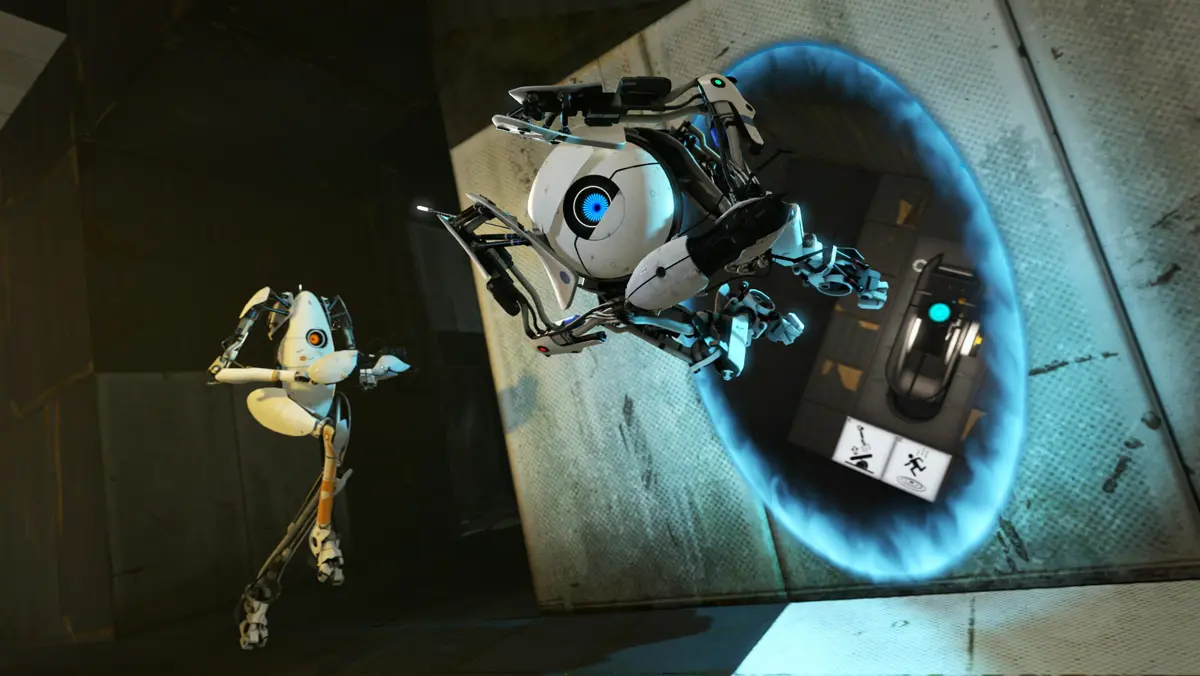
- Co-op campaign is built so both players must work together, with cross-platform play[1]
- Detailed world that critics said reacts to the player[1]
Critic scores by outlet
| Outlet | Score | Out of 100 | Version | Date |
|---|---|---|---|---|
| CriticDB aggregate of 6 | 98/100 | 98 | Nintendo Switch, Xbox 360, PlayStation 3, Microsoft Windows | – |
| Kritikanstvo aggregate of 40 | 94/100 | 94 | – | – |
| Metacritic aggregate of 52 | 95/100 | 95 | Microsoft Windows | – |
| Unnamed outlet | 95/100 | 95 | – | July 4, 2021 |
| Unnamed outlet | 9.4/10 | 94 | – | July 4, 2021 |
| Unnamed outlet | 92/100 | 92 | – | July 4, 2021 |
Scores as recorded on Wikidata, with the outlet's own link where Wikidata cites one. User ratings are not listed.
- AnalysisPortal 2 grows its portal puzzles into a funny story and a standout co-op mode
Eurogamer's Oli Welsh gave Portal 2 the highest praise a sequel can get. He called the original perfect and said the follow-up was not, because it was "something better than that." IGN's Charles…
Community clips
See allCommunity images
See allNo community reviews yet. Be the first to review Portal 2: a score out of 10, what works, what doesn't.
How the score works
9.6GameRaven score = Critics 100%
- Critics9.6100%
- Community–0%
The GameRaven score of 9.6 is the critics' average, from critic aggregates, until members review the game. Community reviews and votes join it as they come in, each counting for more as more people stand behind it. How it's worked out.
Sources
References
- Wikipedia: Portal 2 en.wikipedia.org
Where the rest comes from
- Facts and critic scores: Wikidata item Q279446 (CC0), read November 12, 2026. Spotted something wrong? It can be corrected on Wikidata, and the change reaches this page the next time the catalogue is read.
- Summary: Wikipedia, CC BY-SA 4.0.
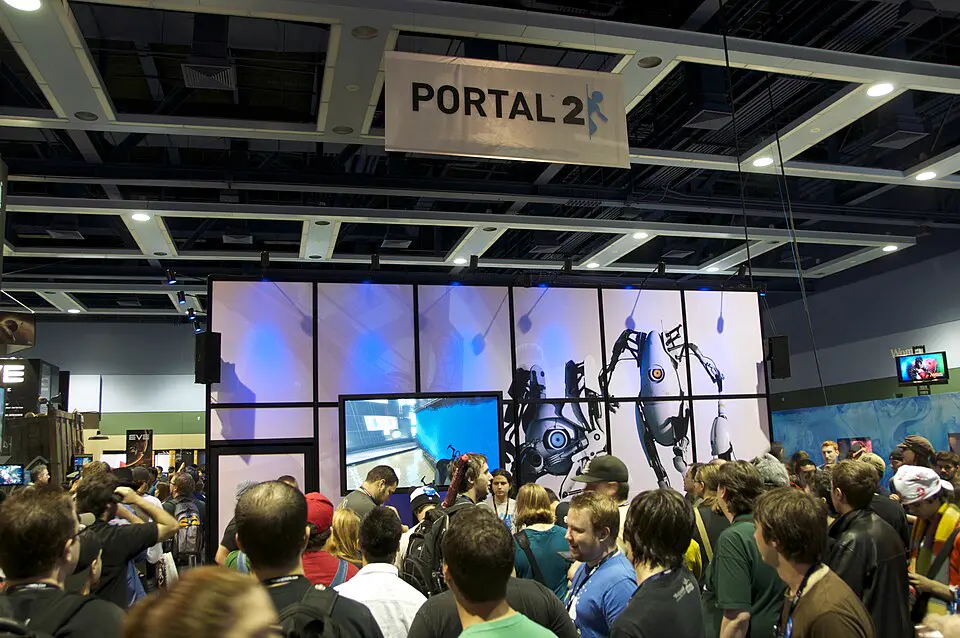
- Image: Portal 2 pax prime 2010.jpg by Michael Myers from Arlington, VA, USA, CC BY 2.0, via Wikimedia Commons.
- Critics' overview written from: Wikipedia: Portal 2, CC BY-SA 4.0.
- Critics' overview written from: Wikidata: Q279446, CC0.
- How the score is worked out: methodology.