Where to buy Ratchet & Clank: Going Commando
Amazon links are affiliate links: as an Amazon Associate we earn from qualifying purchases.
About the game
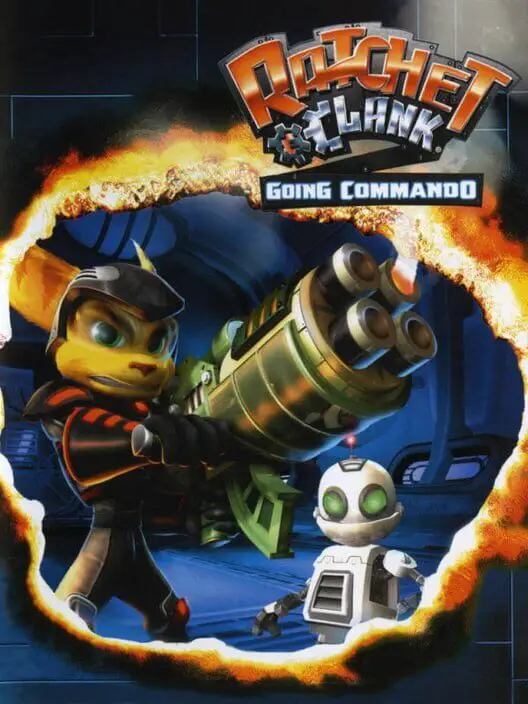
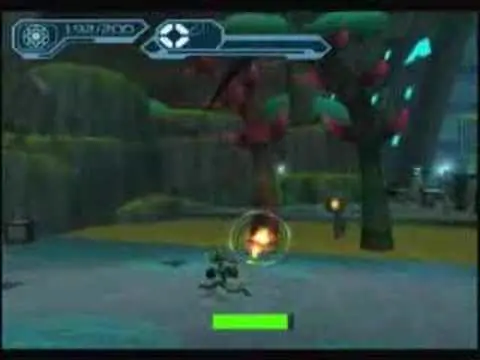
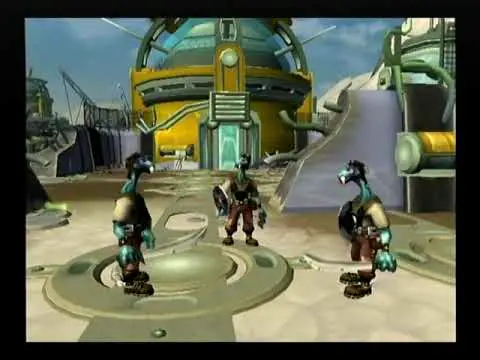
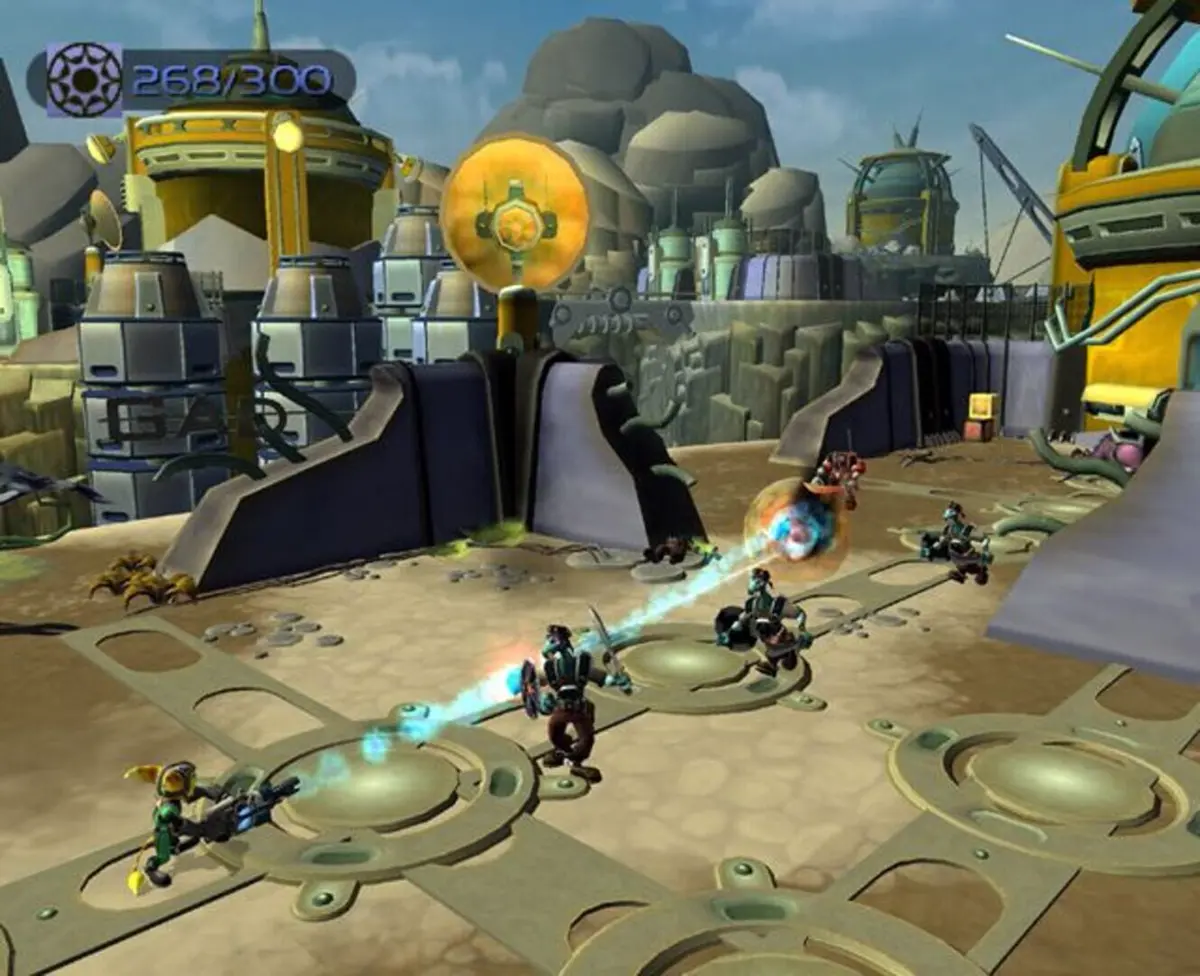
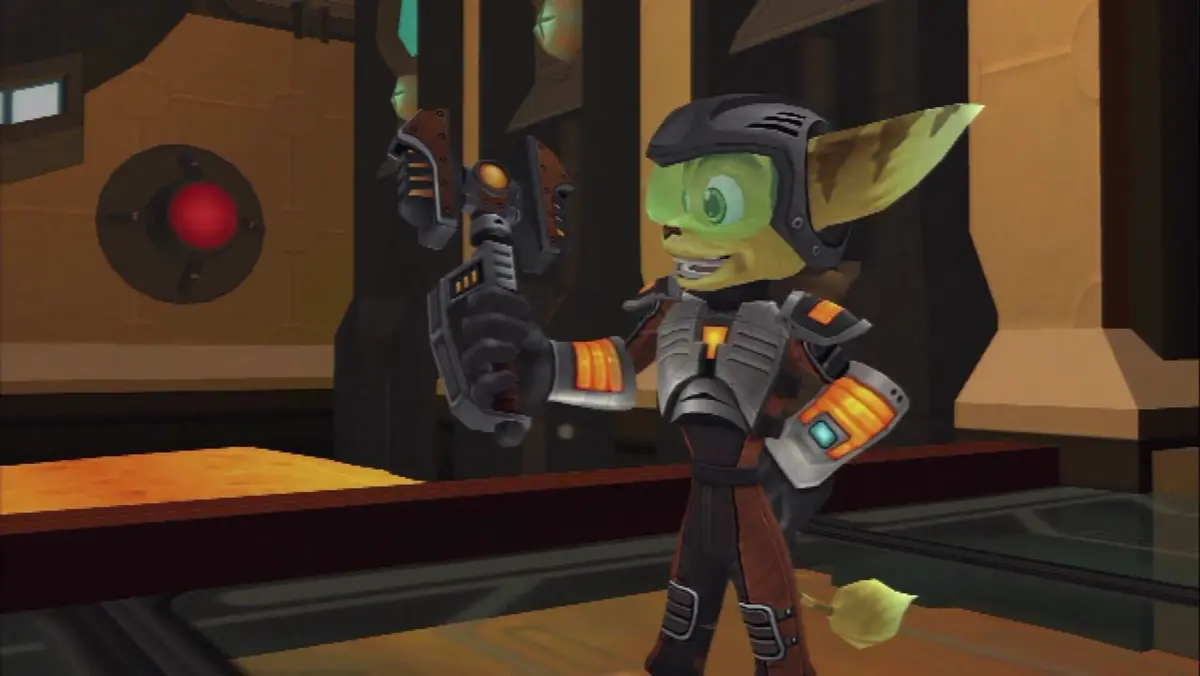
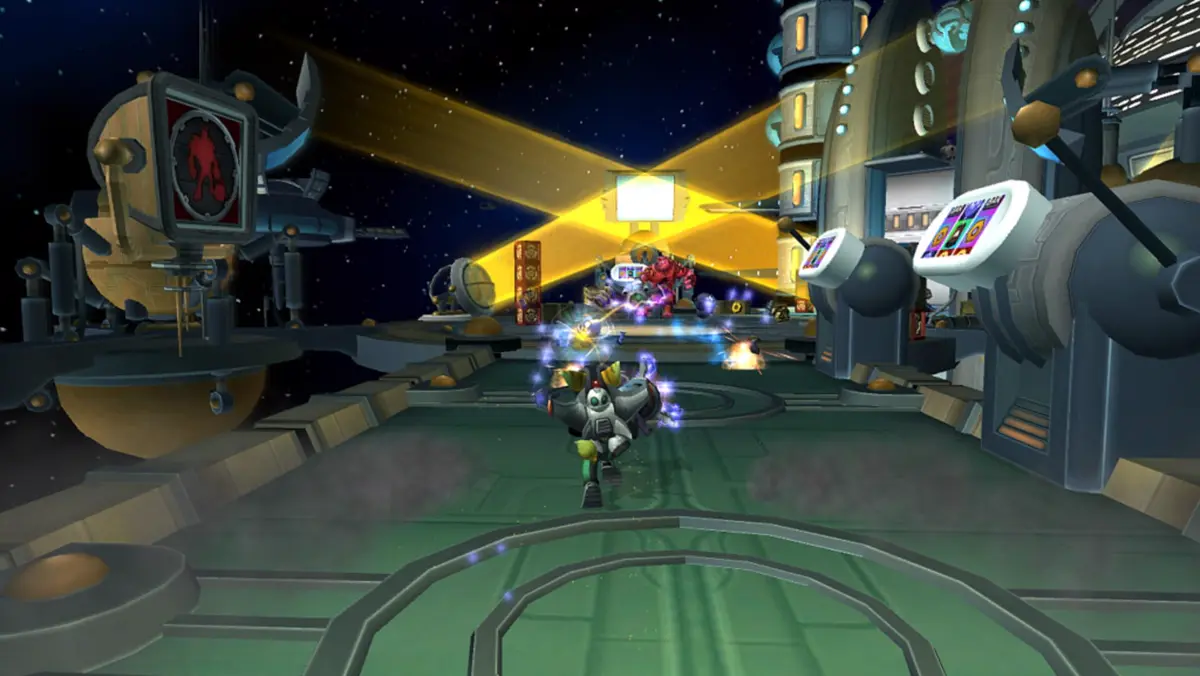
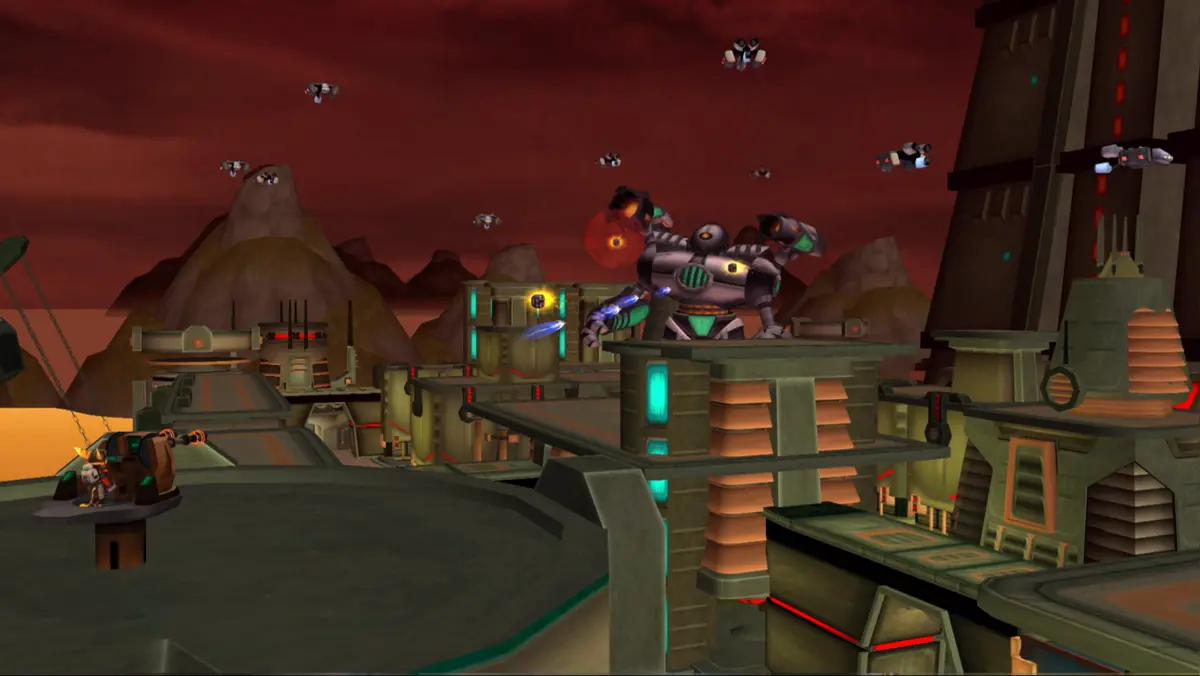
Ratchet & Clank: Going Commando is a 2003 third-person shooter platform video game developed by Insomniac Games and published by Sony Computer Entertainment for the PlayStation 2. It is the second game in the Ratchet & Clank series, following Ratchet & Clank (2002). David Kaye reprises his role as Clank while James Arnold Taylor replaces Mikey Kelley as Ratchet.
From the Wikipedia article Ratchet & Clank: Going Commando, by its contributors, under CC BY-SA 4.0.
Developer and publisher
Insomniac Games Developer
American video game developer
Based in Burbank · founded 1994 · 26 other games here
Wolverine, Spider-Man 2, Ratchet & Clank: Rift Apart, Spider-Man Remastered · all 27
Sony Interactive Entertainment Publisher
American multinational software company
Based in Tokyo · founded 1993 · 206 other games here
God of War Laufey, Wolverine, Saros, Marvel Tōkon: Fighting Souls · all 207
Platforms and release dates
| Platform | Released |
|---|---|
| PlayStation 2 | November 11, 2003 |
| PlayStation 3 | – |
| PlayStation Vita | – |
Details
| Genre | third-person shooter, platform game |
|---|---|
| Modes | single-player video game |
| Series | Ratchet & Clank |
| Sold on | PlayStation Store |
| Country | United States |
| Age rating | Teen, PEGI 3, PEGI 7 |
| Official site | insomniacgames.com |
What critics say
Going Commando outgrows the first Ratchet & Clank, then dares you to keep up
Insomniac's 2003 sequel won near-universal praise for its weapons, humor and pacing, while its late-game difficulty split critics.
Is Ratchet & Clank: Going Commando worth it?
Critics treated Going Commando as a sequel that improved on its predecessor in almost every way. Its critic average of 9.1, computed from the critic aggregates, reflects that. The complaints are real but narrow: a steep late-game difficulty curve, weak space combat and dull Giant Clank stages. If you like shooters with platforming and weapons you level up, play it.
Best for: Players who enjoyed the first Ratchet & Clank and wanted more weapons, more jokes and a real challenge. If you want a gentle platformer, the steep late game may be too much.
Written from the published record (critics' reviews, the developer's documentation and the game's history), not a hands-on playthrough. How these are written.
What critics praised
- Eighteen new weapons that upgrade and change design as you use them[1]
- Arena battles that critics singled out as a highlight[1]
- Cut-scenes that reviewers ranked among the funniest in the genre[1]
- Faster pacing than the first game, with momentum by the second level[1]
- Challenge mode that carries over your gear and adds more upgrades[1]
Where it falls short
- Late levels that 1UP.com said throw endless enemy waves at your ammo[1]
- Space combat that some reviewers called weak next to the rest[1]
- Giant Clank stages that some critics called "brainless and boring"[1]
- Reused menu and mission screens that GameSpot called lazy[1]
- Retro weapons from the first game never upgrade[1]
Critic scores by outlet
| Outlet | Score | Out of 100 | Version | Date |
|---|---|---|---|---|
| GameRankings aggregate of 73 | 91% | 91 | PlayStation 2 | – |
| Metacritic aggregate of 46 | 90/100 | 90 | PlayStation 2 | – |
Scores as recorded on Wikidata, with the outlet's own link where Wikidata cites one. User ratings are not listed.
- AnalysisGoing Commando outgrows the first Ratchet & Clank, then dares you to keep up
The highest praise and the sharpest complaint both came from 1UP.com. It said Going Commando takes everything the first game did and "does better." It also warned that the closing levels turn into…
Community clips
See allCommunity images
See allNo community reviews yet. Be the first to review Ratchet & Clank: Going Commando: a score out of 10, what works, what doesn't.
How the score works
9.1GameRaven score = Critics 100%
- Critics9.1100%
- Community–0%
The GameRaven score of 9.1 is the critics' average, from critic aggregates, until members review the game. Community reviews and votes join it as they come in, each counting for more as more people stand behind it. How it's worked out.
Sources
References
- Wikipedia: Ratchet & Clank: Going Commando en.wikipedia.org
Where the rest comes from
- Facts and critic scores: Wikidata item Q5725706 (CC0), read November 12, 2026. Spotted something wrong? It can be corrected on Wikidata, and the change reaches this page the next time the catalogue is read.
- Summary: Wikipedia, CC BY-SA 4.0.
- Cover art: IGDB.
- Critics' overview written from: Wikipedia: Ratchet & Clank: Going Commando, CC BY-SA 4.0.
- Critics' overview written from: Wikidata: Q5725706, CC0.
- How the score is worked out: methodology.