Where to buy Slay the Spire
- Steam View store
- GOG View store
- Microsoft Store View store
- PlayStation Store View store
- Nintendo eShop View store
- Humble Store View store
- Amazon View store
Amazon links are affiliate links: as an Amazon Associate we earn from qualifying purchases.
About the game
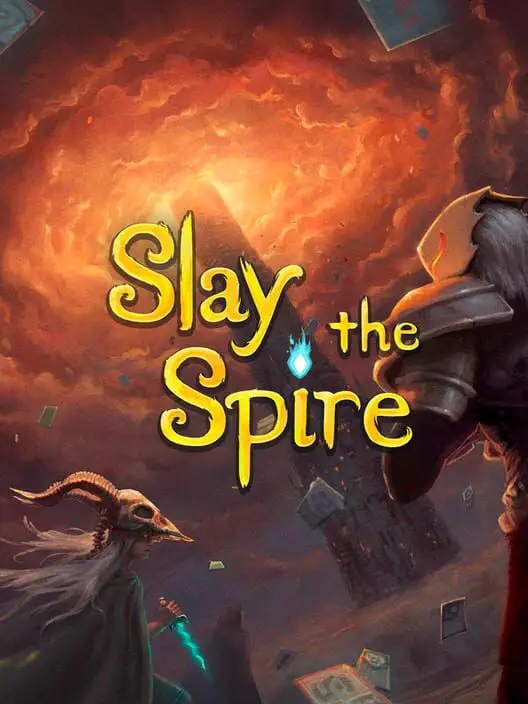
Slay the Spire is a 2019 roguelike deck-building game developed by the indie studio Mega Crit. It was published by Mega Crit for its initial PC release and by Humble Bundle for home consoles and mobile platforms. The game was released in early access for Microsoft Windows, macOS, and Linux in late 2017, with an official release in January 2019. It was released for PlayStation 4 in May 2019, for Nintendo Switch in June 2019 and for Xbox One in August 2019. An iOS version was released in June 2020, with an Android version released in February 2021.
From the Wikipedia article Slay the Spire, by its contributors, under CC BY-SA 4.0.
Developer and publisher
Humble Bundle, Inc. Publisher
Digital storefront company selling video games and books
Based in San Francisco · founded 2010 · 10 other games here
Platforms and release dates
| Platforms | Android, Linux, Microsoft Windows, macOS, iOS, PlayStation 4, Xbox One, Nintendo Switch |
|---|---|
| Released | 2019 |
PC system requirements
Not added yet.
Details
| Genre | roguelike deck-building game, roguelite |
|---|---|
| Modes | single-player video game |
| Engine | libGDX |
| Series | Slay the Spire |
| Sold on | Steam, GOG.com, Microsoft Store, PlayStation Store, Nintendo eShop, Humble Store |
| Country | United States |
| Age rating | Everyone 10+ |
| Official site | megacrit.com |
What critics say
Slay the Spire rewards players who like turning bad cards down
A turn-based card battler built around reading enemy intent and trimming your deck, with critics near-unanimous in its favor.
Is Slay the Spire worth it?
Slay the Spire is for players who enjoy planning a turn like a small puzzle and building a strategy from whatever a run offers. Critics backed it almost without dissent: OpenCritic found 98% recommended it, and IGN and PC Gamer both gave it top honors for 2019. Its weak spots come from its own design, since a lost run sends you back to the bottom and new characters have to be earned over time. If careful card play appeals to you at all, play it.
Best for: Players who like slow, deliberate strategy and building a plan from whatever a run hands them. Skip it if losing progress on a single mistake ruins a game for you.
Written from the published record (critics' reviews, the developer's documentation and the game's history), not a hands-on playthrough. How these are written.
What critics praised
- Enemies show their next move, so every turn can be planned[1]
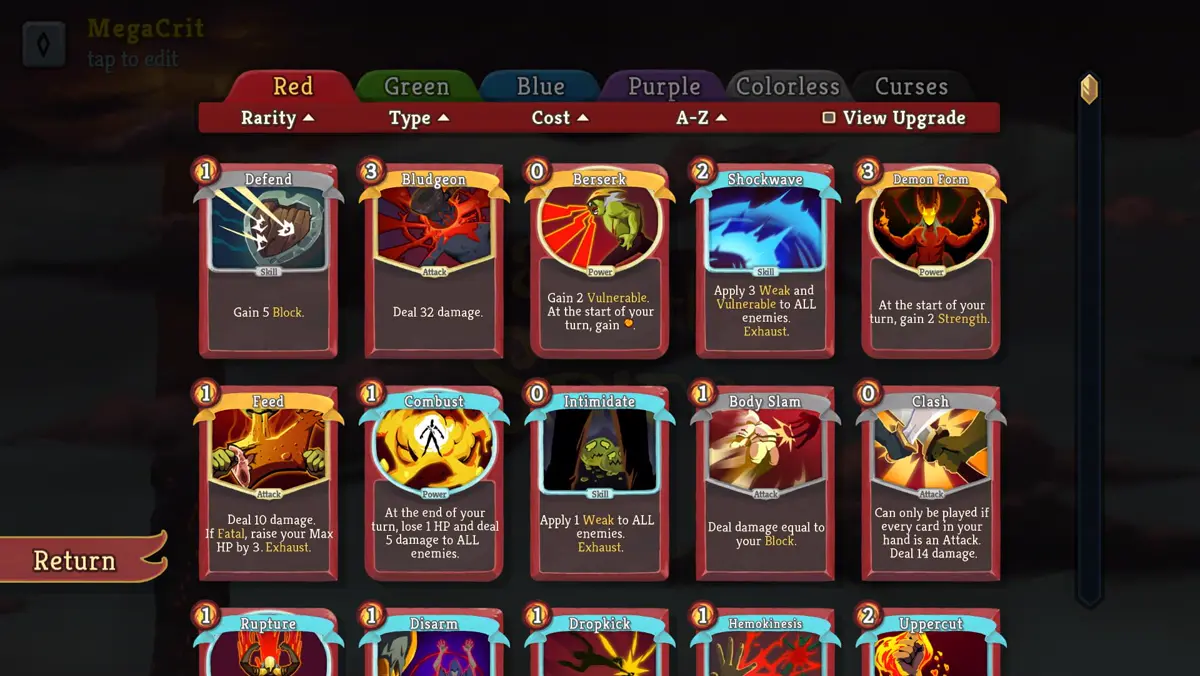
- Choosing which cards to skip or remove matters as much as adding them[1]
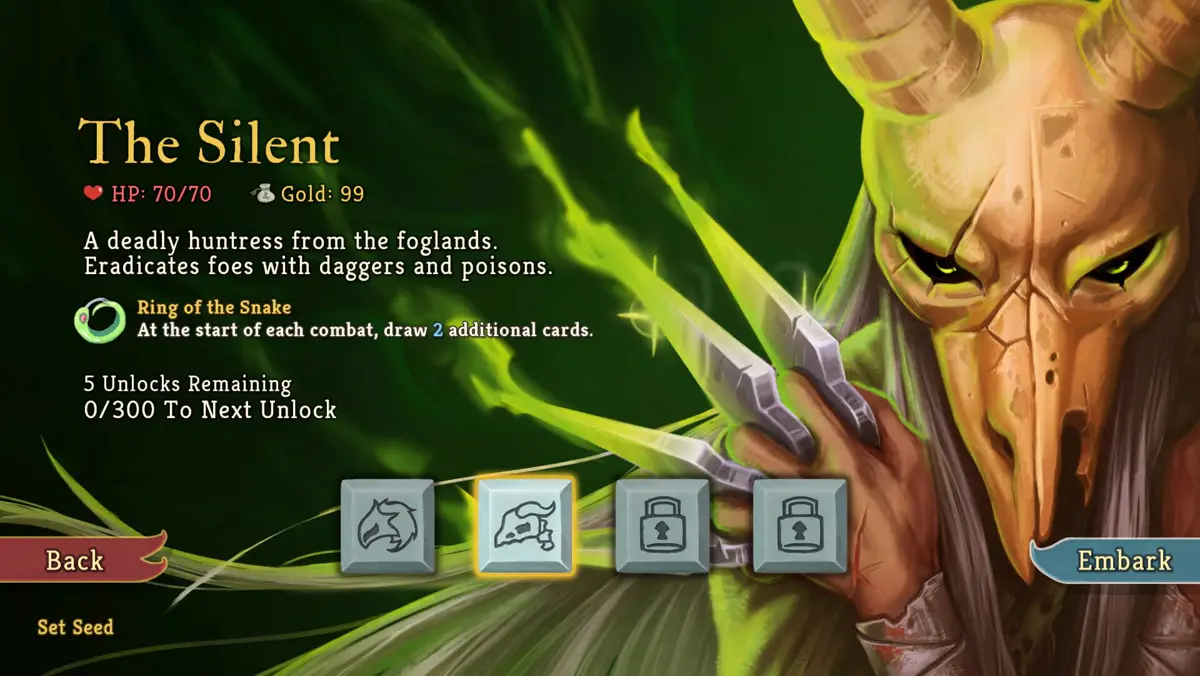
- Four characters with their own starting relics and card pools[1]
- Up to 20 Ascension levels for players who want more challenge[1]
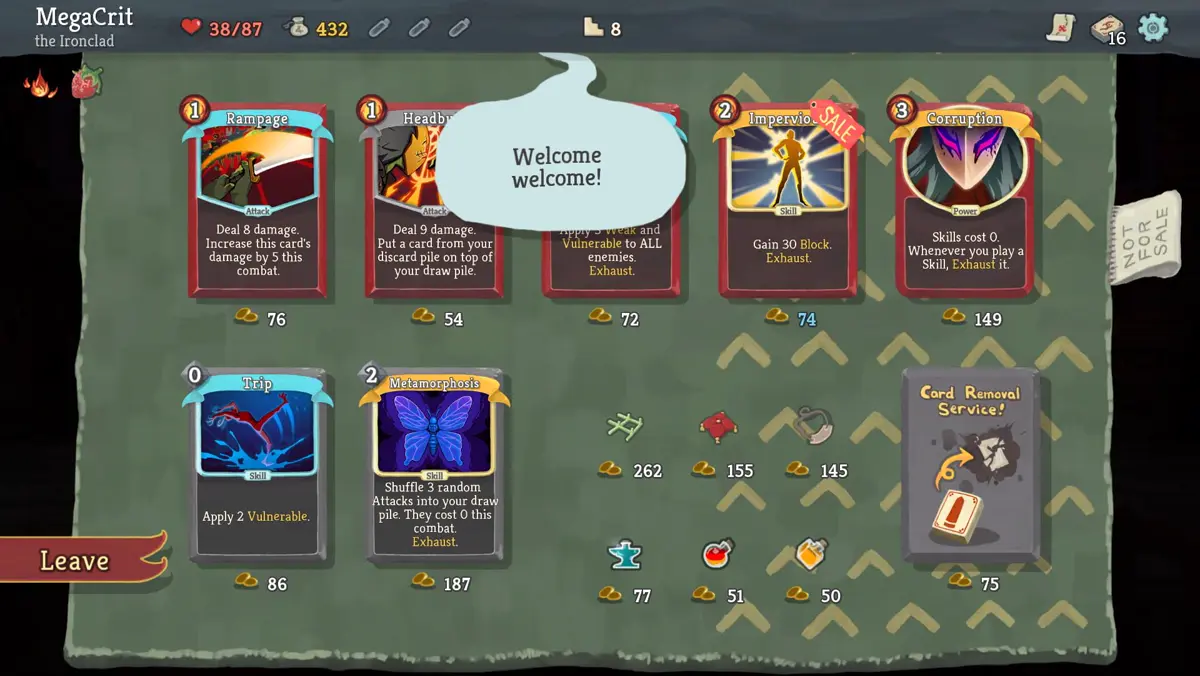
- Branching map with real trade-offs between elites, campfires and shops[1]
Critic scores by outlet
| Outlet | Score | Out of 100 | Version | Date |
|---|---|---|---|---|
| CriticDB aggregate of 9 | 91/100 | 91 | Nintendo Switch, Xbox One, PlayStation 4, Microsoft Windows | – |
| OpenCritic aggregate of 53 | 89/100 | 89 | – | May 31, 2022 |
OpenCritic: 98% of critics recommend it.
Scores as recorded on Wikidata, with the outlet's own link where Wikidata cites one. User ratings are not listed.
- AnalysisSlay the Spire rewards players who like turning bad cards down
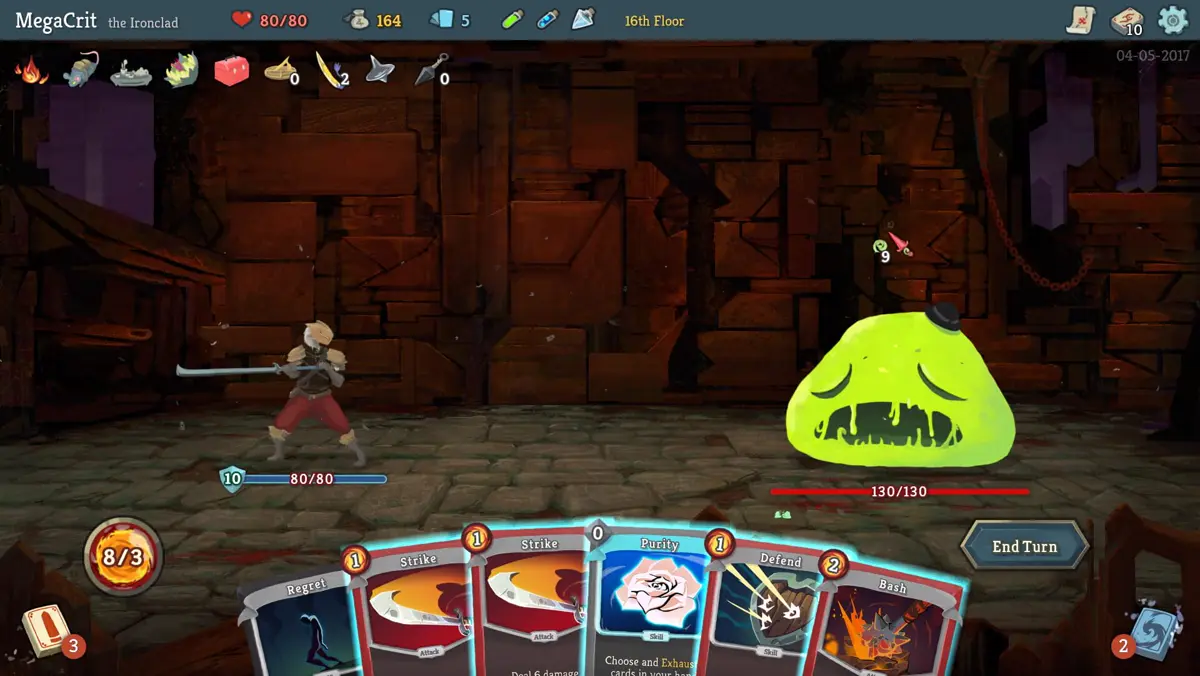
This game is for someone who wants every turn to be a puzzle with a right answer. Each turn you draw a fresh hand and get three energy points to spend on cards. Every enemy shows what it will do…
Community clips
See allCommunity images
See allNo community reviews yet. Be the first to review Slay the Spire: a score out of 10, what works, what doesn't.
How the score works
9.0GameRaven score = Critics 100%
- Critics9.0100%
- Community–0%
The GameRaven score of 9.0 is the critics' average, from critic aggregates, until members review the game. Community reviews and votes join it as they come in, each counting for more as more people stand behind it. How it's worked out.
Sources
References
- Wikipedia: Slay the Spire en.wikipedia.org
Where the rest comes from
- Facts and critic scores: Wikidata item Q48078440 (CC0), read November 12, 2026. Spotted something wrong? It can be corrected on Wikidata, and the change reaches this page the next time the catalogue is read.
- Summary: Wikipedia, CC BY-SA 4.0.
- Cover art: IGDB.
- Critics' overview written from: Wikipedia: Slay the Spire, CC BY-SA 4.0.
- Critics' overview written from: Wikidata: Q48078440, CC0.
- How the score is worked out: methodology.