Where to buy Inscryption
- Steam View store
- GOG View store
- Epic Games Store View store
- Microsoft Store View store
- Nintendo eShop View store
- Humble Store View store
- Amazon View store
Amazon links are affiliate links: as an Amazon Associate we earn from qualifying purchases.
About the game
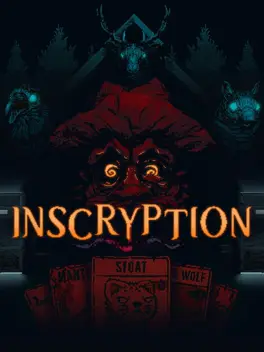
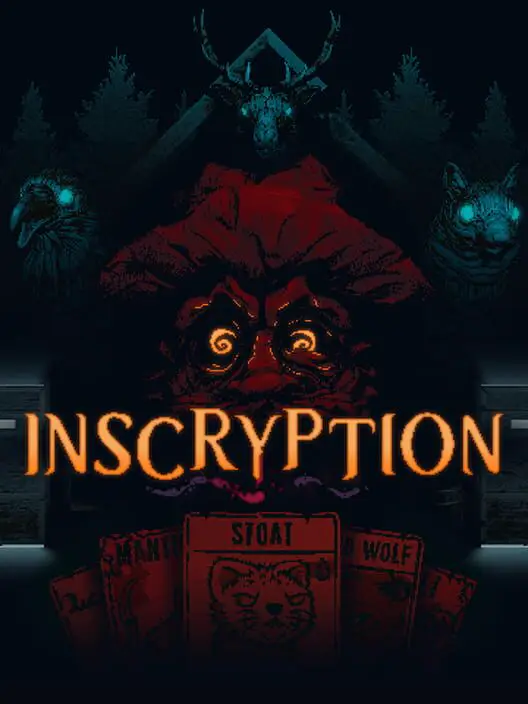
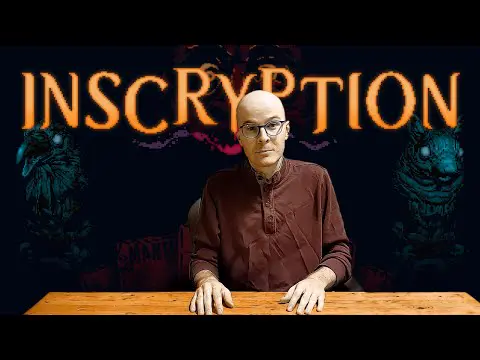
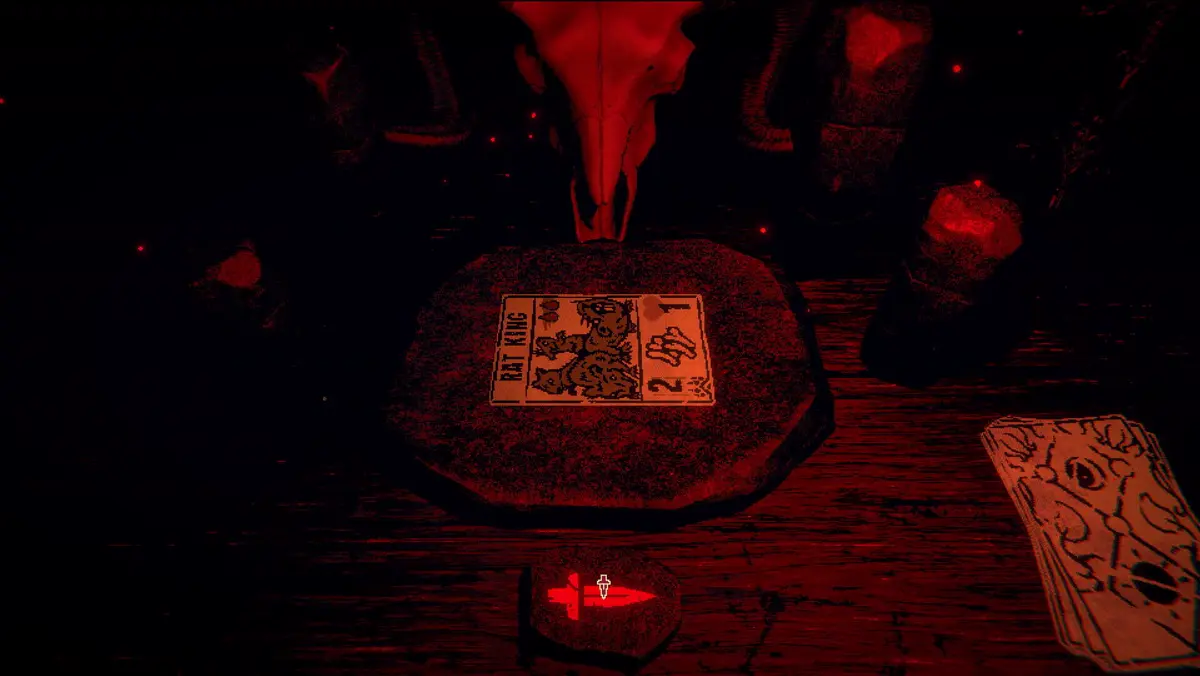
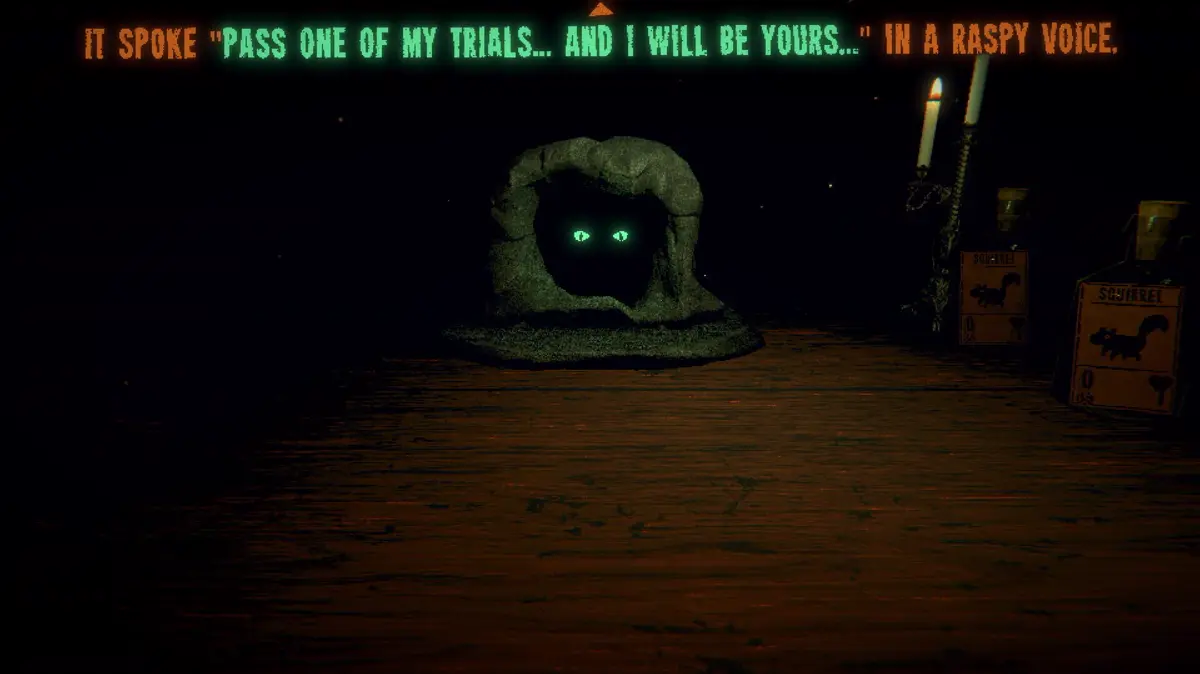
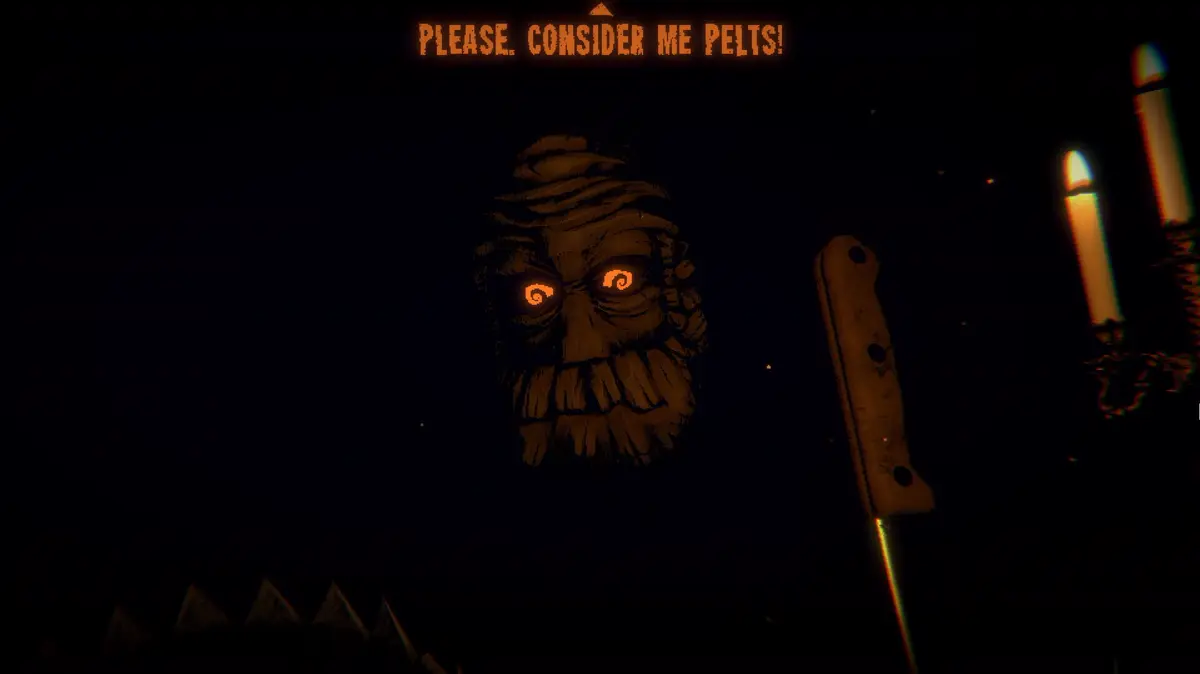
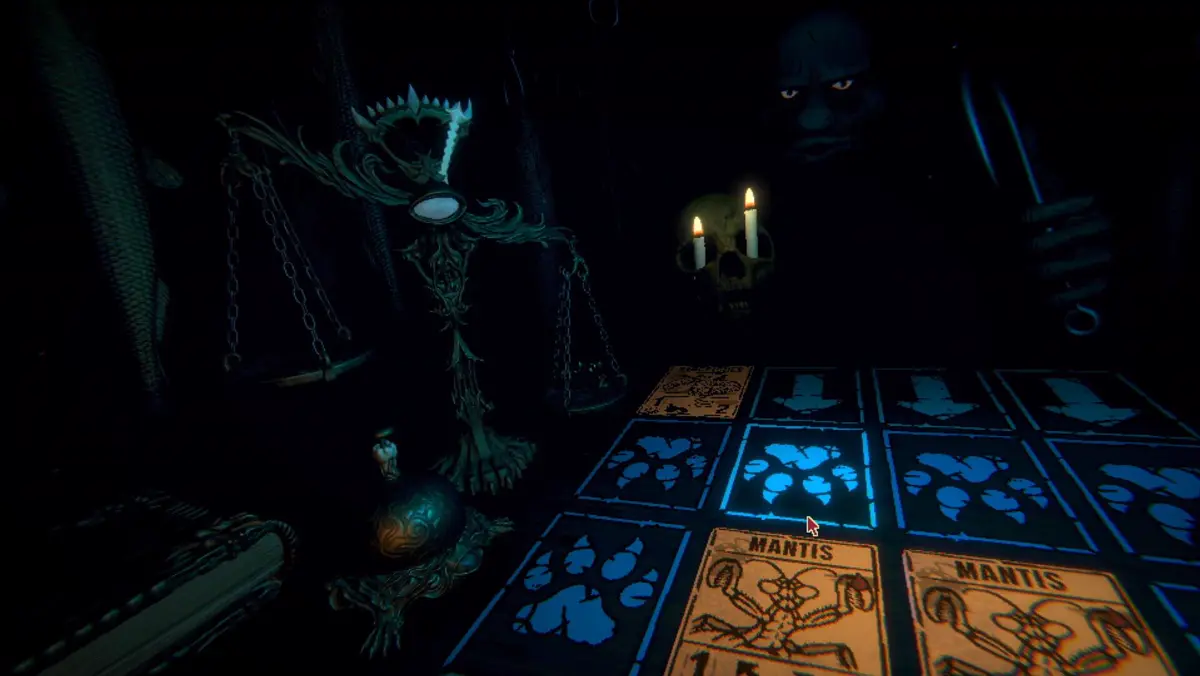
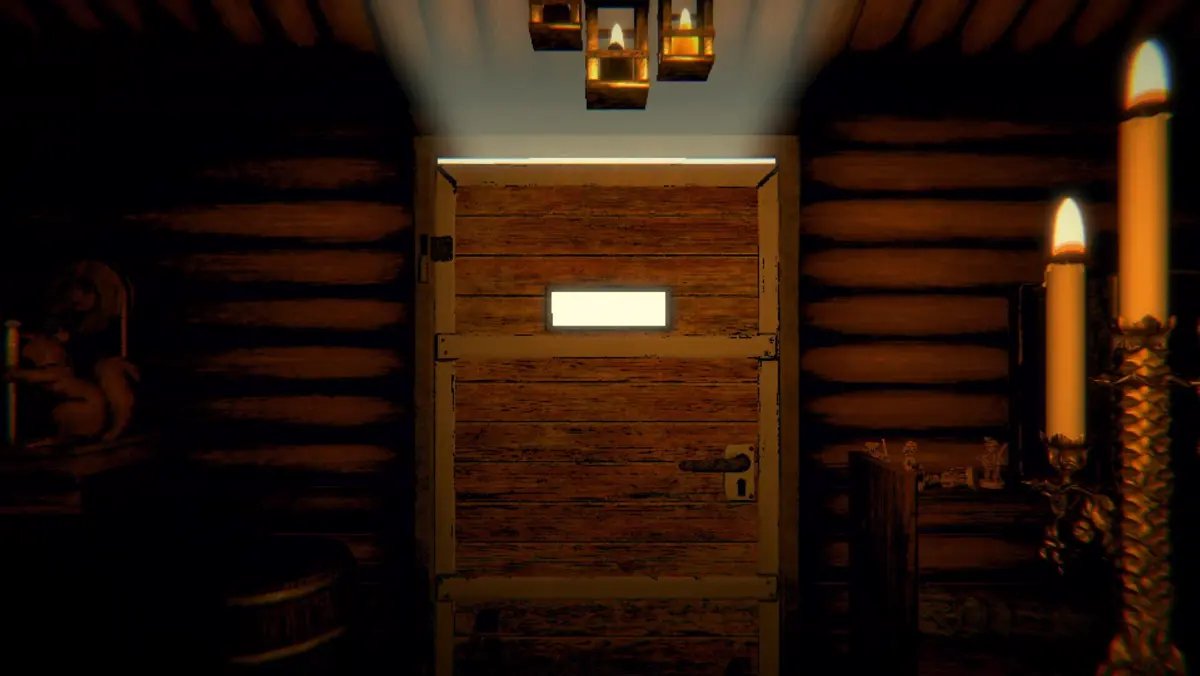
Inscryption is a 2021 roguelike deck-building game developed by Daniel Mullins Games and published by Devolver Digital. Directed by Daniel Mullins, it was originally released for Windows on October 19, 2021, and on Linux, macOS, PlayStation 4, PlayStation 5, Nintendo Switch, Xbox One and Xbox Series X/S over the following two years. The game puts the player in a cabin where a mysterious gamemaster makes them play a tabletop game.
From the Wikipedia article Inscryption, by its contributors, under CC BY-SA 4.0.
Developer and publisher
Daniel Mullins Games Developer
Video game developer and publisher based in Vancouver, BC, Canada
Based in Vancouver · 1 other game here
Devolver Digital Publisher
American video game publisher and film distributor
Based in Austin · founded 2009 · 115 other games here
Starseeker: Astroneer Expeditions, Quarantine Zone: The Last Check, Minos, Dark Scrolls · all 116
Platforms and release dates
| Platform | Released |
|---|---|
| Linux | – |
| Microsoft Windows | – |
| macOS | – |
| PlayStation 4 | – |
| Xbox One | April 10, 2023 |
| Nintendo Switch | – |
| PlayStation 5 | – |
| Xbox Series X and Series S | April 10, 2023 |
| Platform not recorded | October 19, 2021 (worldwide) |
PC system requirements
Not added yet.
Details
| Genre | roguelike deck-building game |
|---|---|
| Modes | single-player video game |
| Engine | Unity |
| Sold on | Steam, GOG.com, Epic Games Store, Microsoft Store, Nintendo eShop, Humble Store |
| Country | Canada |
| Age rating | Mature 17+, PEGI 16 |
| Official site | inscryption.com |
What critics say
Inscryption's cabin won critics over, and its later acts split them
A horror card game that keeps changing shape. Critics agreed on the eerie first act and argued about everything after it.
Is Inscryption worth it?
Inscryption is a sharp, creepy deck-builder that doesn't stay one game for long, and that choice is what critics argued about. Its first act drew praise across the board. Its later shifts lost some reviewers and won it major awards. Play it if you like mystery as much as card battles, and come in knowing very little.
Best for: Players who like a mystery and some horror with their card battles, and who are happy to have a game change its rules on them. If you want an endless run-based deck-builder, the later acts may feel like a detour.
Written from the published record (critics' reviews, the developer's documentation and the game's history), not a hands-on playthrough. How these are written.
What critics praised
Critic scores by outlet
| Outlet | Score | Out of 100 | Version | Date |
|---|---|---|---|---|
| CriticDB aggregate of 21 | 87/100 | 87 | Nintendo Switch, Xbox One, PlayStation 4, Microsoft Windows, Xbox Series X and Series S, PlayStation 5 | – |
| Kritikanstvo aggregate of 13 | 87/100 | 87 | – | – |
| OpenCritic aggregate of 74 | 86/100 | 86 | – | December 31, 2022 |
OpenCritic: 96% of critics recommend it.
Scores as recorded on Wikidata, with the outlet's own link where Wikidata cites one. User ratings are not listed.
- AnalysisInscryption's cabin won critics over, and its later acts split them
The biggest argument about Inscryption isn't about its card rules. It's about the game's choice to stop being the game it starts as. The first act puts you at a table in a dim cabin, playing a…
Community clips
See allCommunity images
See allNo community reviews yet. Be the first to review Inscryption: a score out of 10, what works, what doesn't.
How the score works
8.7GameRaven score = Critics 100%
- Critics8.7100%
- Community–0%
The GameRaven score of 8.7 is the critics' average, from critic aggregates, until members review the game. Community reviews and votes join it as they come in, each counting for more as more people stand behind it. How it's worked out.
Sources
References
- Wikipedia: Inscryption en.wikipedia.org
Where the rest comes from
- Facts and critic scores: Wikidata item Q109051201 (CC0), read November 12, 2026. Spotted something wrong? It can be corrected on Wikidata, and the change reaches this page the next time the catalogue is read.
- Summary: Wikipedia, CC BY-SA 4.0.
- Cover art: IGDB.
- Critics' overview written from: Wikipedia: Inscryption, CC BY-SA 4.0.
- Critics' overview written from: Wikidata: Q109051201, CC0.
- How the score is worked out: methodology.