Where to buy Smite
- Steam View store
- Epic Games Store View store
- Microsoft Store View store
- PlayStation Store View store
- Nintendo eShop View store
- Amazon View store
Amazon links are affiliate links: as an Amazon Associate we earn from qualifying purchases.
About the game
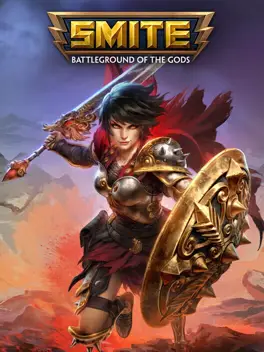
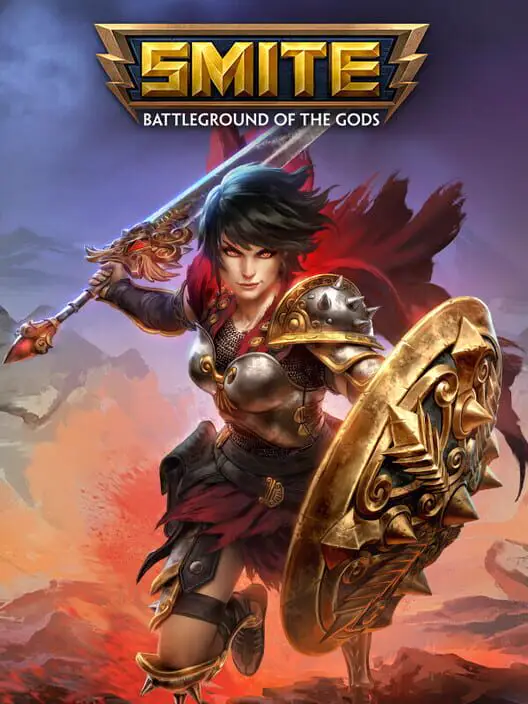
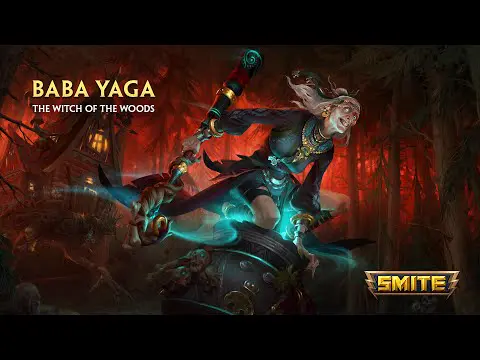
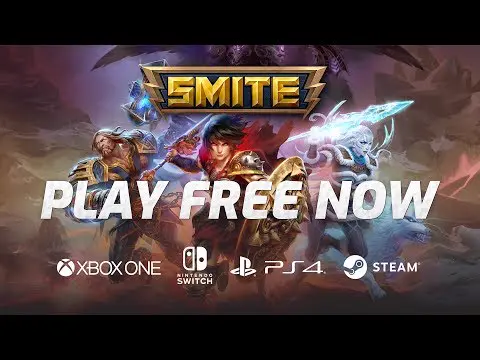
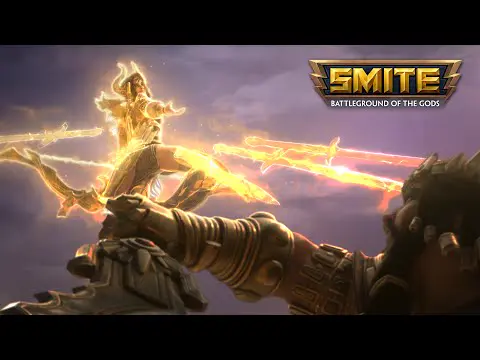
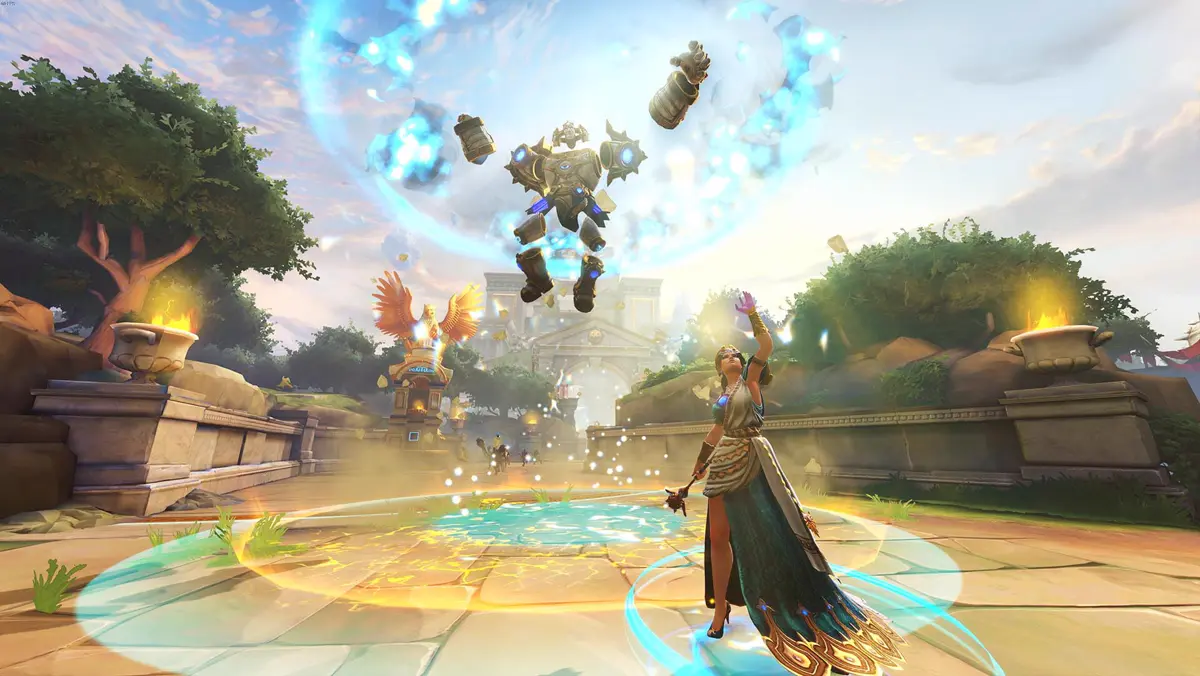
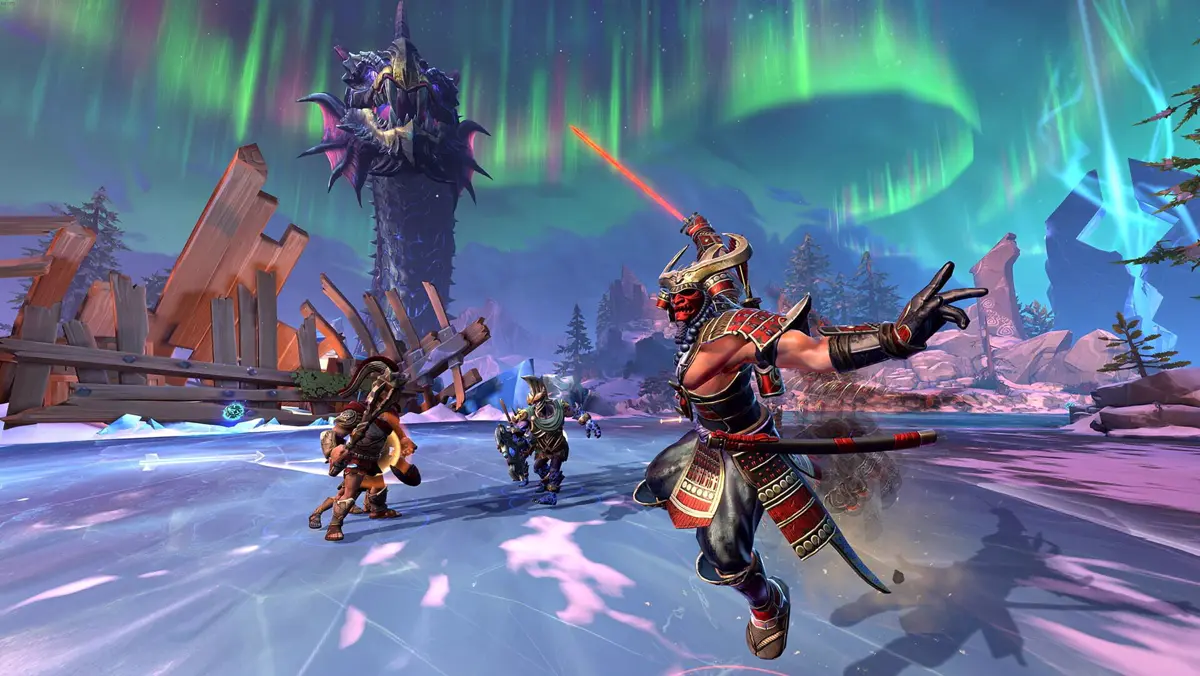
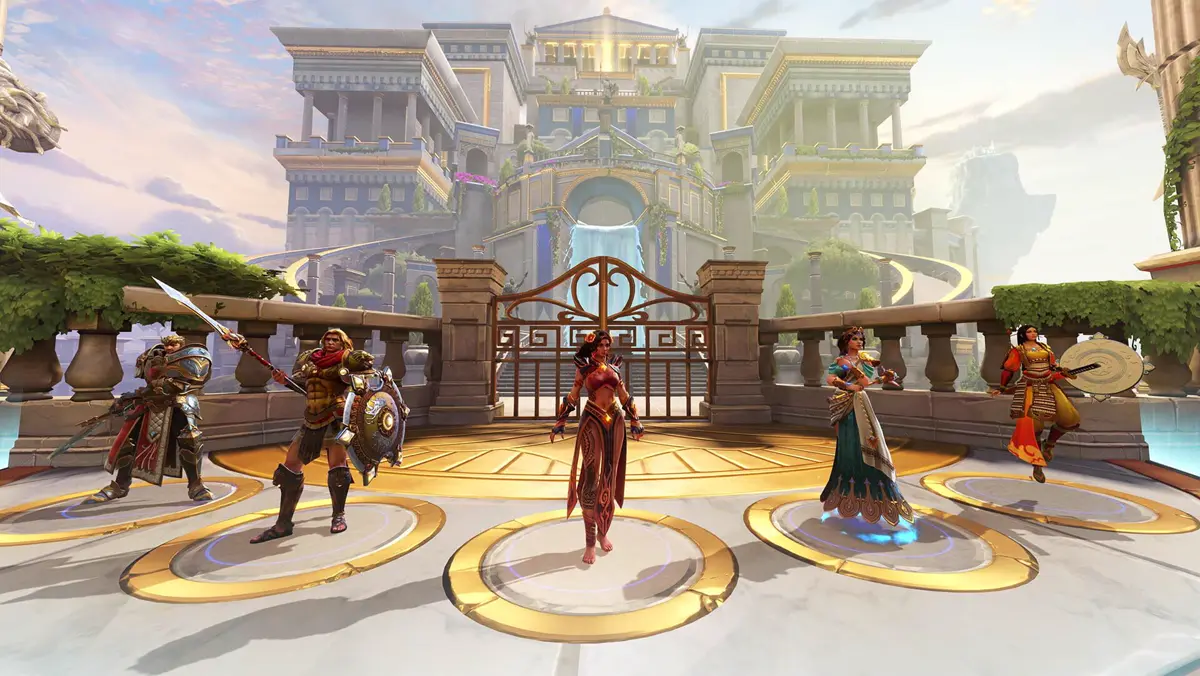
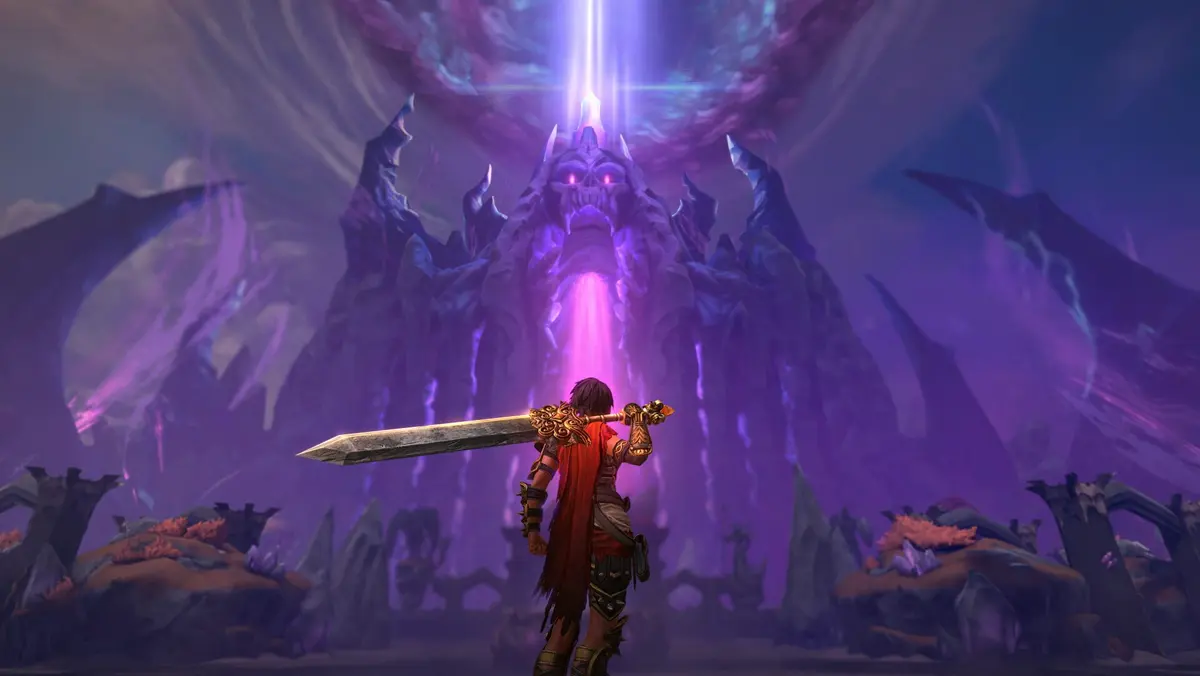
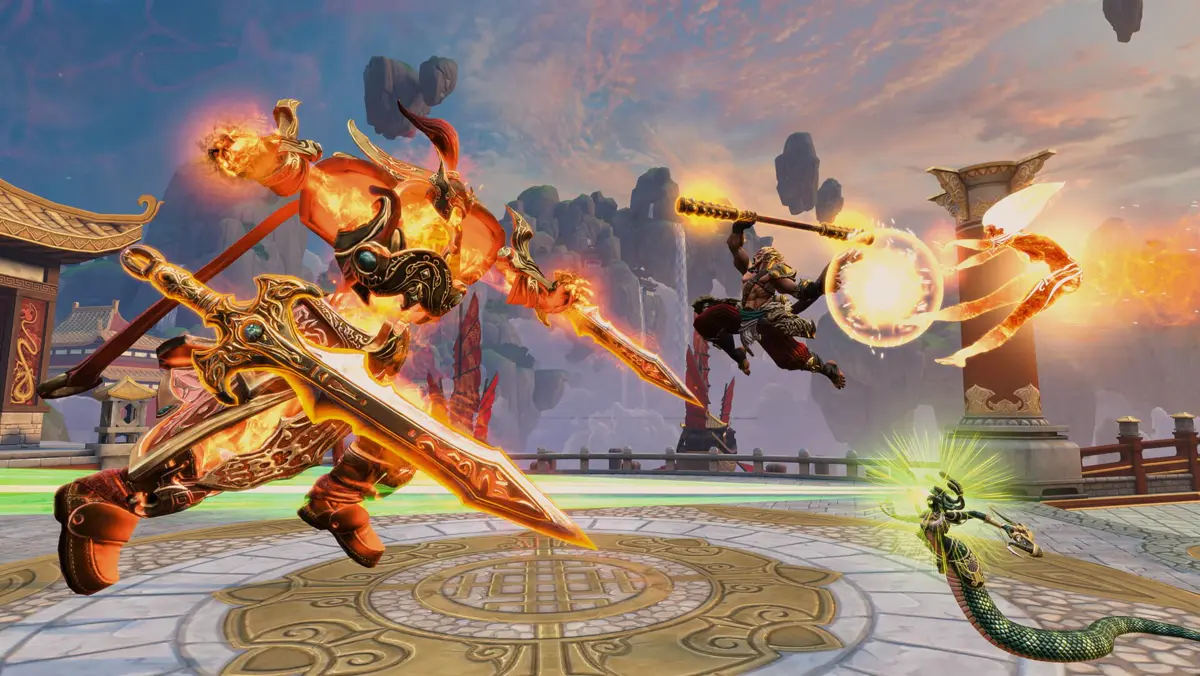
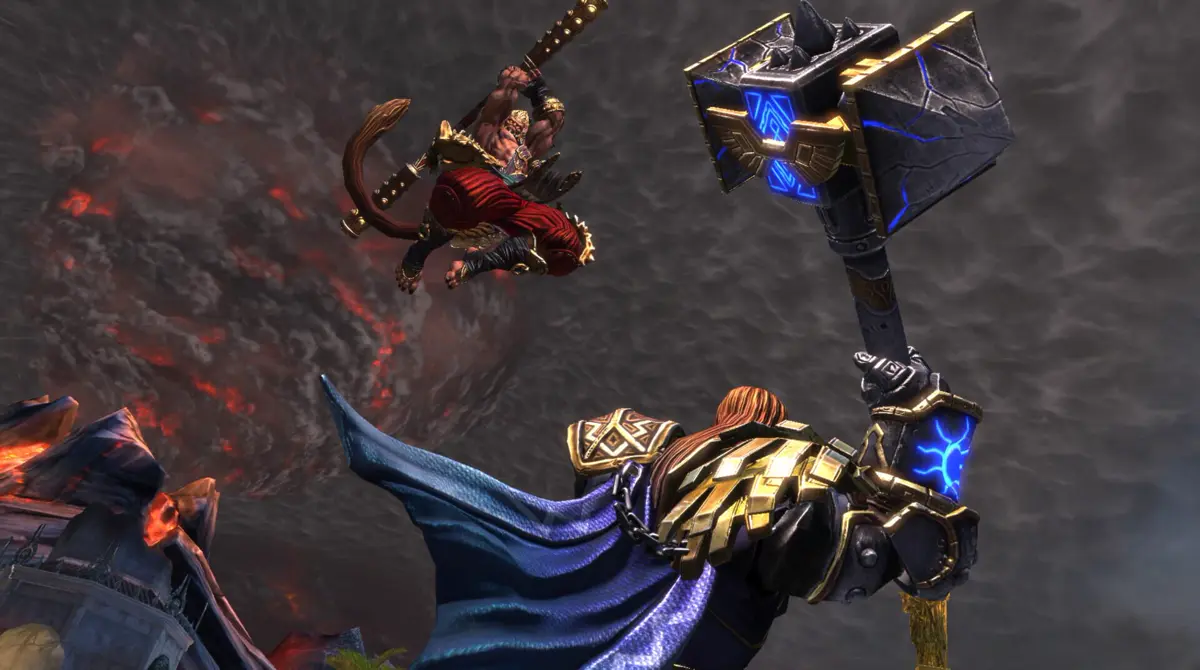
Smite is a 2014 free-to-play third-person multiplayer online battle arena (MOBA) video game developed and published by Hi-Rez Studios for Microsoft Windows, Xbox One, PlayStation 4, Nintendo Switch, and Amazon Luna. In Smite, players control a god, goddess or other mythological figure and take part in team-based combat, using their abilities and tactics against other player-controlled gods and non-player-controlled minions. In most gamemodes, victory is achieved by slaying the opposing team's titan before losing their own.
From the Wikipedia article Smite (video game), by its contributors, under CC BY-SA 4.0.
Developer and publisher
Hi-Rez Studios Developer and Publisher
Video-game developer based in Alpharetta, Georgia
Based in Alpharetta · founded 2005 · 3 other games here
Platforms and release dates
| Platform | Released |
|---|---|
| Microsoft Windows | March 25, 2014 |
| PlayStation 4 | May 31, 2016 |
| Xbox One | August 19, 2015 |
| Nintendo Switch | – |
| Xbox Series X and Series S | – |
| Amazon Luna | – |
PC system requirements
Not added yet.
Details
| Genre | action game, multiplayer online battle arena, shooter game |
|---|---|
| Modes | multiplayer video game |
| Engine | Unreal Engine 3 |
| Series | Smite |
| Sold on | Steam, Epic Games Store, Microsoft Store, PlayStation Store, Nintendo eShop |
| Country | United States |
| Age rating | Teen, PEGI 12 |
| Official site | smitegame.com |
What critics say
Smite drops the MOBA camera behind a god's shoulder, and critics liked the view
Hi-Rez Studios' free-to-play battle arena earned strong reviews for its third-person fights and fair pricing, with doubts about ranked play and console polish.
Is Smite worth it?
Smite takes the lane-pushing, item-building structure of a MOBA and moves the camera behind the character, which critics agreed makes a familiar format feel new. Reviewers praised its large cast of gods and called its free-to-play model fair. The main complaints were a low bar for entering ranked matches and a rougher PlayStation 4 version. It costs nothing to start, so play it.
Best for: Players who like team strategy but find top-down MOBA games distant, and anyone curious about the genre who wants to try it free with an easier start.
Written from the published record (critics' reviews, the developer's documentation and the game's history), not a hands-on playthrough. How these are written.
What critics praised
Where it falls short
Critic scores by outlet
| Outlet | Score | Out of 100 | Version | Date |
|---|---|---|---|---|
| CriticDB aggregate of 8 | 84/100 | 84 | Nintendo Switch, Xbox One, PlayStation 4, Microsoft Windows | – |
| OpenCritic aggregate of 29 | 81/100 | 81 | – | January 27, 2019 |
OpenCritic: 82% of critics recommend it.
Scores as recorded on Wikidata, with the outlet's own link where Wikidata cites one. User ratings are not listed.
- AnalysisSmite drops the MOBA camera behind a god's shoulder, and critics liked the view
The best line on record comes from Leah B. Jackson at IGN. She scored Smite 8/10 and argued that "a new perspective on familiar game design" can make everything feel fresh, adding that the game goes…
Community clips
See allCommunity images
See allNo community reviews yet. Be the first to review Smite: a score out of 10, what works, what doesn't.
How the score works
8.3GameRaven score = Critics 100%
- Critics8.3100%
- Community–0%
The GameRaven score of 8.3 is the critics' average, from critic aggregates, until members review the game. Community reviews and votes join it as they come in, each counting for more as more people stand behind it. How it's worked out.
Sources
References
- Wikipedia: Smite (video game) en.wikipedia.org
Where the rest comes from
- Facts and critic scores: Wikidata item Q2357719 (CC0), read November 12, 2026. Spotted something wrong? It can be corrected on Wikidata, and the change reaches this page the next time the catalogue is read.
- Summary: Wikipedia, CC BY-SA 4.0.
- Cover art: IGDB.
- Critics' overview written from: Wikipedia: Smite (video game), CC BY-SA 4.0.
- Critics' overview written from: Wikidata: Q2357719, CC0.
- How the score is worked out: methodology.