Where to buy Spiritfarer
- Steam View store
- GOG View store
- Epic Games Store View store
- Microsoft Store View store
- PlayStation Store View store
- Nintendo eShop View store
- Humble Store View store
- itch.io View store
- Amazon View store
Amazon links are affiliate links: as an Amazon Associate we earn from qualifying purchases.
About the game
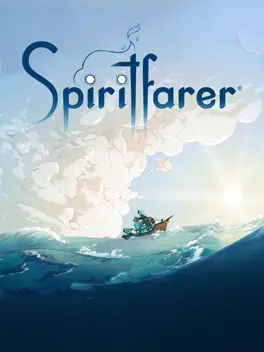
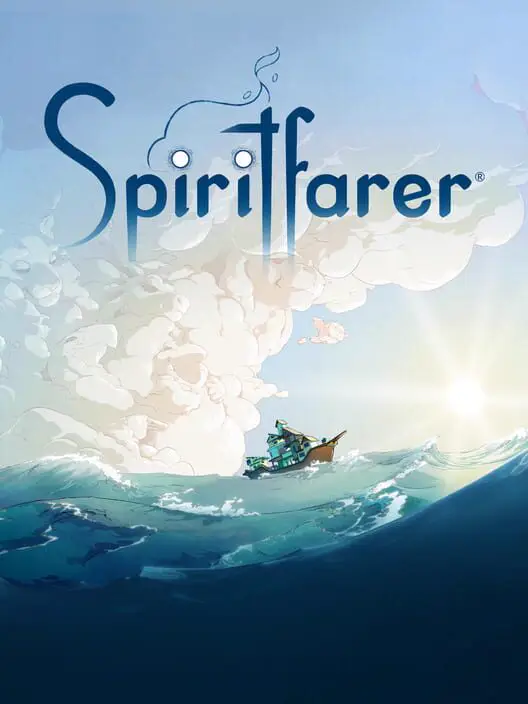
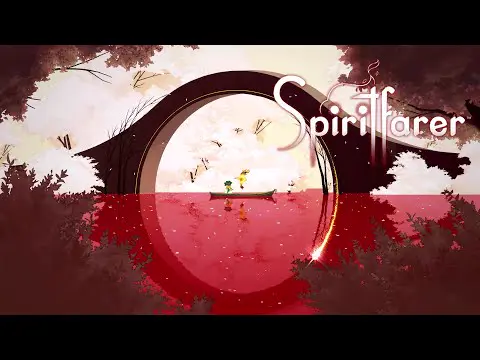
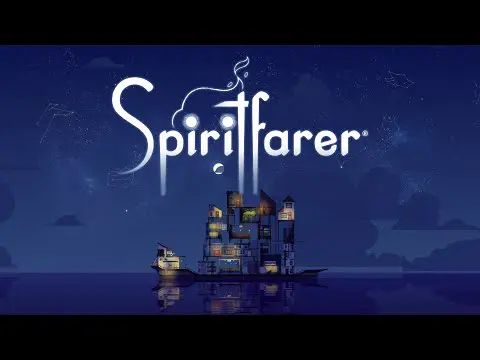
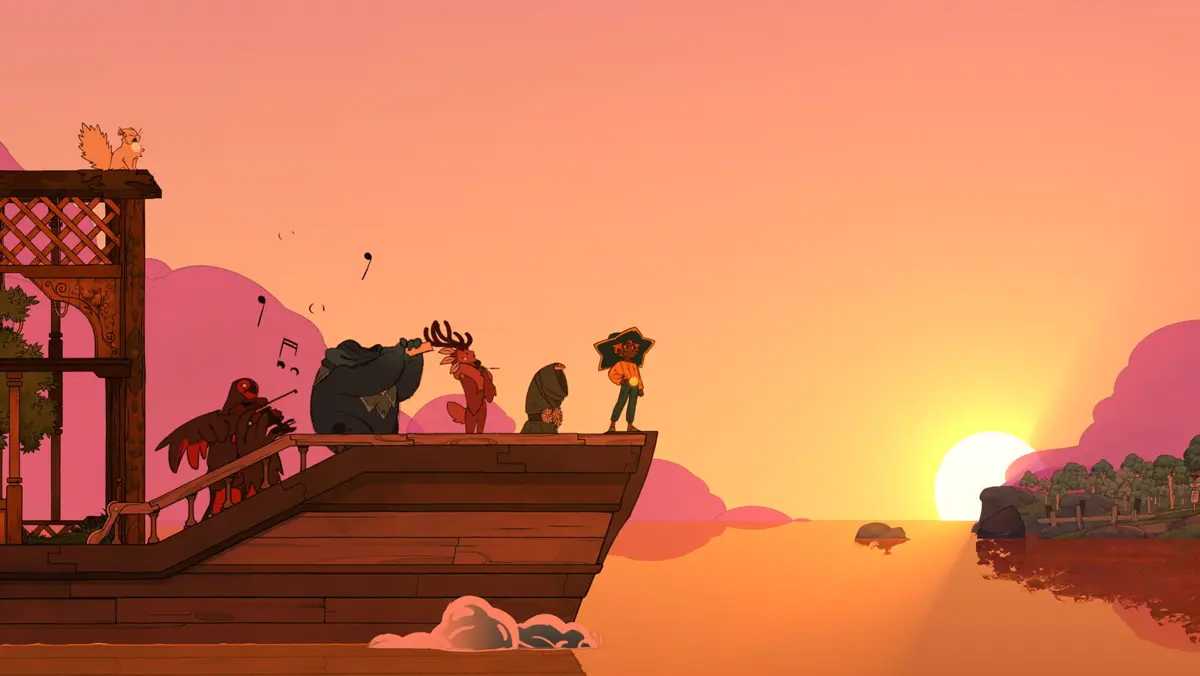
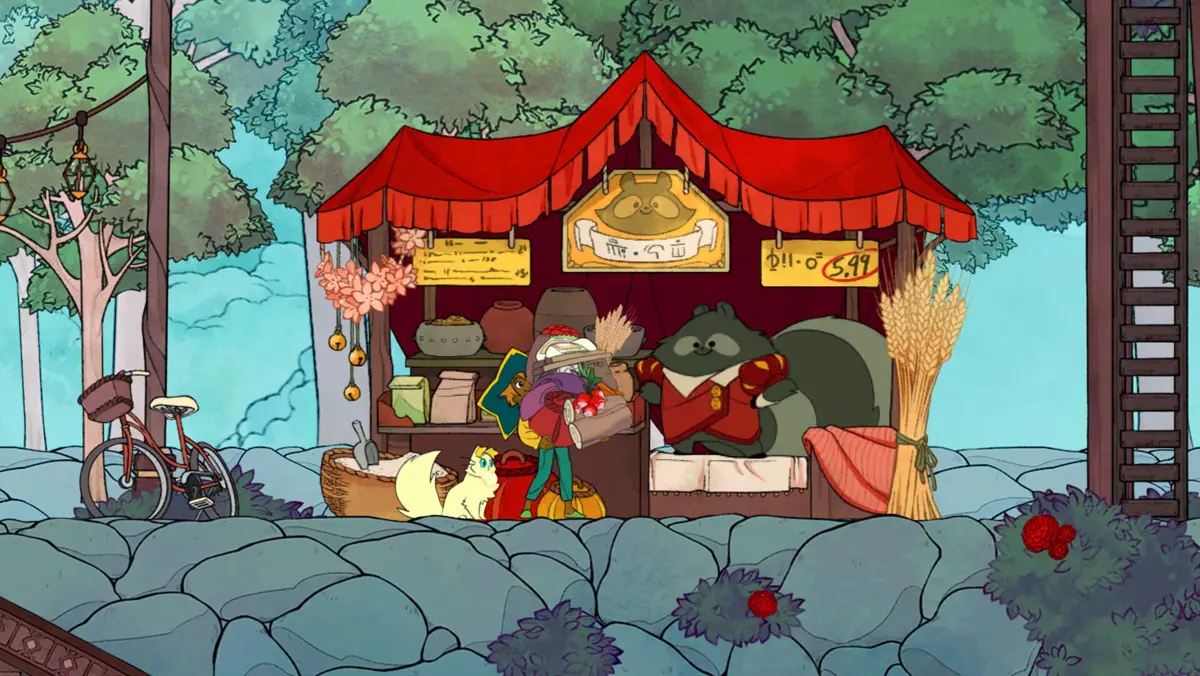
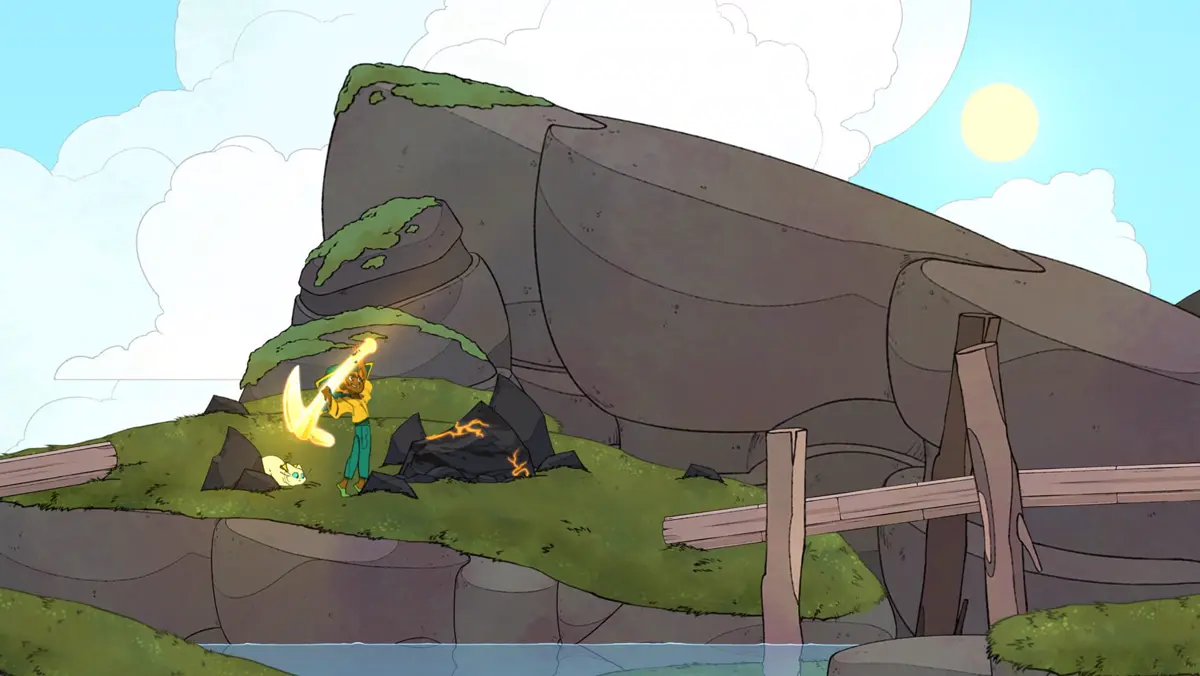
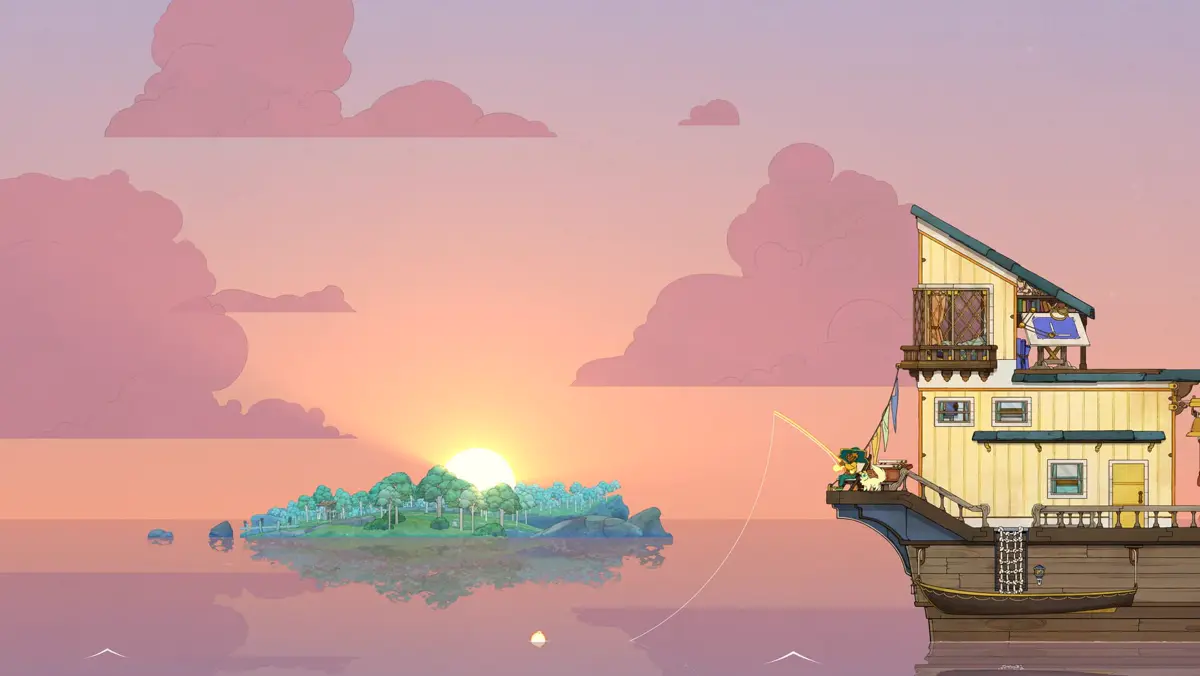
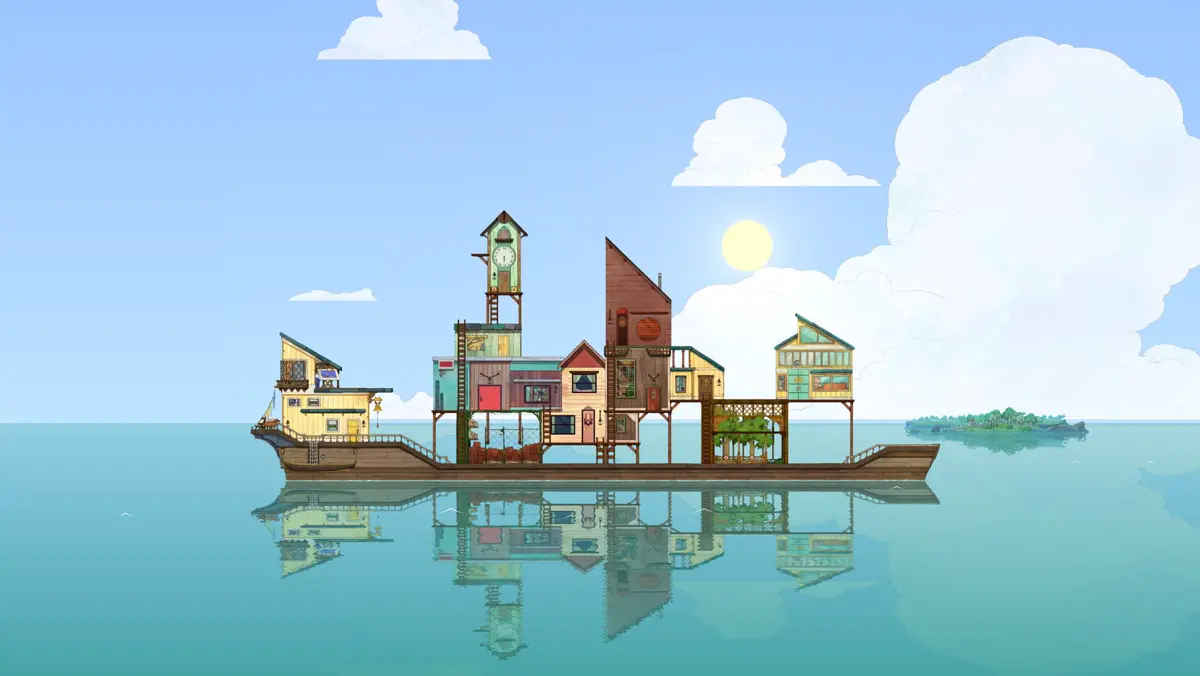
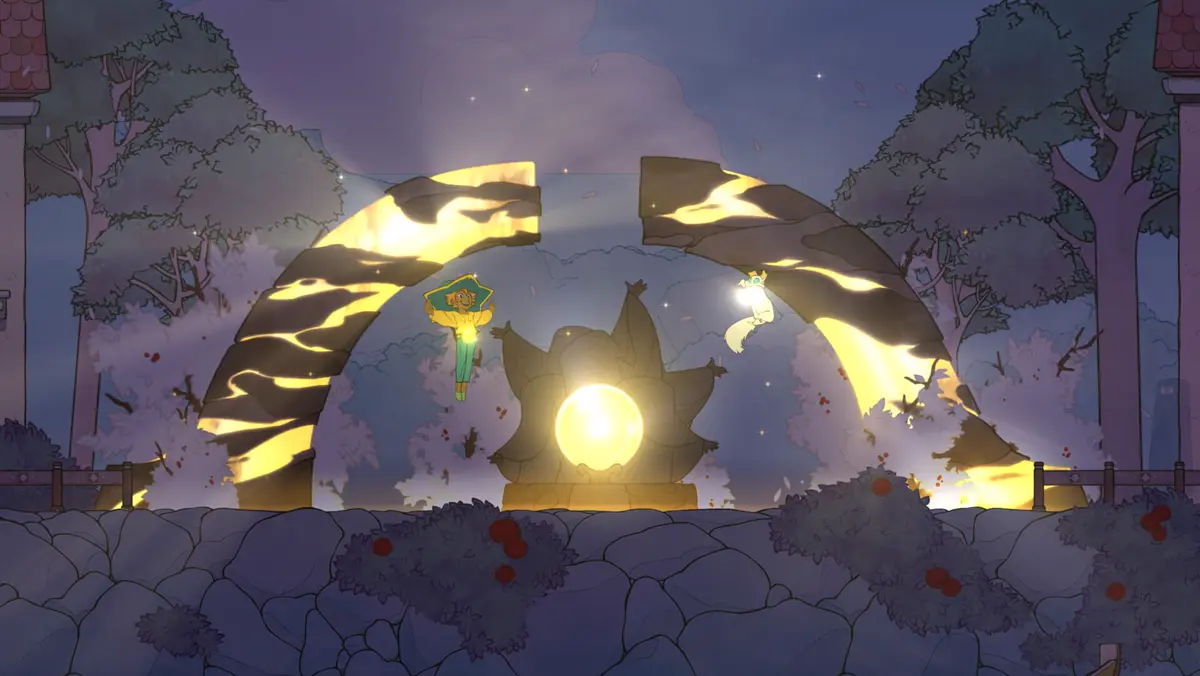
Spiritfarer is an indie management sim and sandbox action game developed and published by Canadian studio Thunder Lotus Games. It was released for Microsoft Windows, macOS, Linux, PlayStation 4, Nintendo Switch, Xbox One, Android and Stadia in August 2020. The main character, Stella, becomes a "Spiritfarer" whose job is to ferry the spirits of the deceased to the afterlife, accompanied by her cat, Daffodil. The game revolves around a series of quests given to Stella by the spirits aboard her ship.
From the Wikipedia article Spiritfarer, by its contributors, under CC BY-SA 4.0.
Developer and publisher
Thunder Lotus Games Developer and Publisher
Video game developer
Based in Montreal · founded 2014 · 4 other games here
Platforms and release dates
| Platforms | Linux, Microsoft Windows, macOS, PlayStation 4, Xbox One, Nintendo Switch |
|---|---|
| Released | August 18, 2020 |
PC system requirements
Not added yet.
Details
| Genre | platform game, construction and management simulation |
|---|---|
| Modes | single-player video game, multiplayer video game |
| Engine | Unity |
| Sold on | Steam, GOG.com, Epic Games Store, Microsoft Store, PlayStation Store, Nintendo eShop, Humble Store, itch.io |
| Country | Canada |
| Age rating | Teen, PEGI 12 |
| Official site | thunderlotusgames.com |
What critics say
Spiritfarer turns saying goodbye into a daily routine of cooking and building
A cozy management game about ferrying the dead, praised for its writing and faulted for chores that repeat once the story slows down.
Is Spiritfarer worth it?
Spiritfarer wraps a hard subject in a gentle loop of farming, cooking and ship-building, and critics agreed that the goodbyes land. The cost is a routine that repeats and some backtracking that IGN found tiresome. Its 8.5 critic average, computed from critic aggregates, fits a game that is warm and moving but sometimes slow. Play it, a little at a time.
Best for: Players who like cozy management games and want a story about loss that's handled gently. Best for people who play in short sessions, not players who want to optimize everything.
Written from the published record (critics' reviews, the developer's documentation and the game's history), not a hands-on playthrough. How these are written.
What critics praised
- Every story ends with a parting at the Everdoor, and critics found those goodbyes moving[1]
- Building the ship on a stackable grid gives the cooking and farming a clear purpose[1]
- Each character's mini-game reflects their personality, like gathering a creature's offspring with Alice[1]
- Critics described the writing as warm and funny, and it was a finalist for both the Nebula and the Hugo[1]
Critic scores by outlet
| Outlet | Score | Out of 100 | Version | Date |
|---|---|---|---|---|
| CriticDB aggregate of 18 | 90/100 | 90 | Nintendo Switch, Xbox One, PlayStation 4, Microsoft Windows | – |
| Kritikanstvo aggregate of 8 | 80/100 | 80 | – | – |
| Metacritic aggregate | 83/100 | 83 | PlayStation 4 | – |
| Metacritic aggregate | 84/100 | 84 | Nintendo Switch, personal computer | – |
| OpenCritic aggregate of 72 | 87/100 | 87 | – | January 5, 2022 |
OpenCritic: 92% of critics recommend it.
Scores as recorded on Wikidata, with the outlet's own link where Wikidata cites one. User ratings are not listed.
- AnalysisSpiritfarer turns saying goodbye into a daily routine of cooking and building
In Spiritfarer you play as Stella, a ferrywoman for the dead who travels with her cat, Daffodil. A typical stretch of play is caretaking. You cook meals for the spirits on your boat, take on their…
Community clips
See allCommunity images
See allNo community reviews yet. Be the first to review Spiritfarer: a score out of 10, what works, what doesn't.
How the score works
8.5GameRaven score = Critics 100%
- Critics8.5100%
- Community–0%
The GameRaven score of 8.5 is the critics' average, from critic aggregates, until members review the game. Community reviews and votes join it as they come in, each counting for more as more people stand behind it. How it's worked out.
Sources
References
- Wikipedia: Spiritfarer en.wikipedia.org
Where the rest comes from
- Facts and critic scores: Wikidata item Q80533334 (CC0), read November 12, 2026. Spotted something wrong? It can be corrected on Wikidata, and the change reaches this page the next time the catalogue is read.
- Summary: Wikipedia, CC BY-SA 4.0.
- Cover art: IGDB.
- Critics' overview written from: Wikipedia: Spiritfarer, CC BY-SA 4.0.
- Critics' overview written from: Wikidata: Q80533334, CC0.
- How the score is worked out: methodology.