Where to buy Split Fiction
Amazon links are affiliate links: as an Amazon Associate we earn from qualifying purchases.
About the game
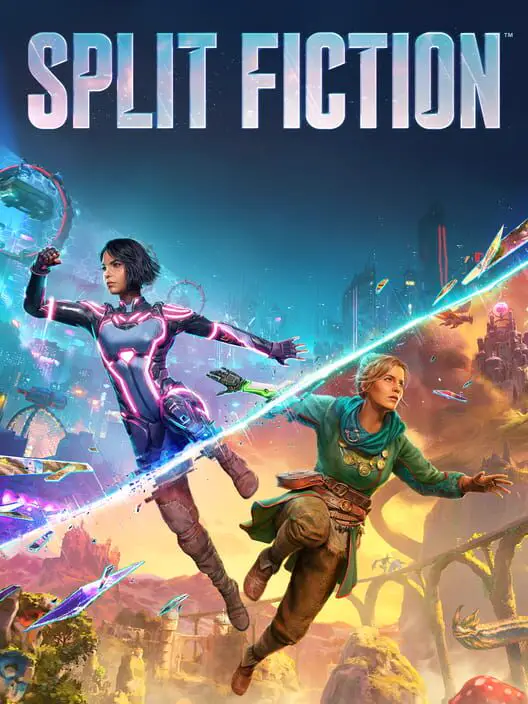
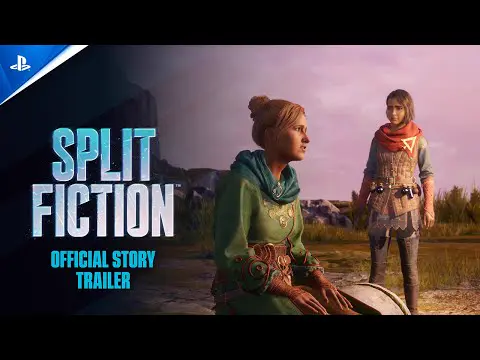
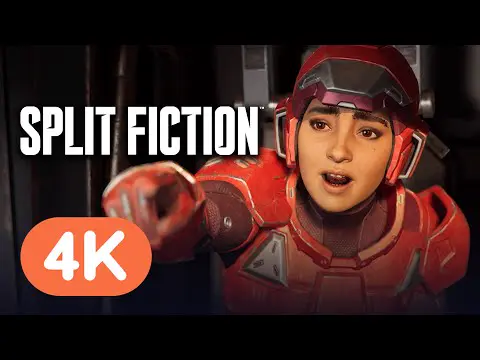
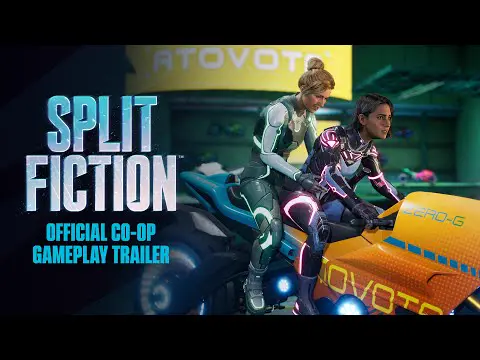
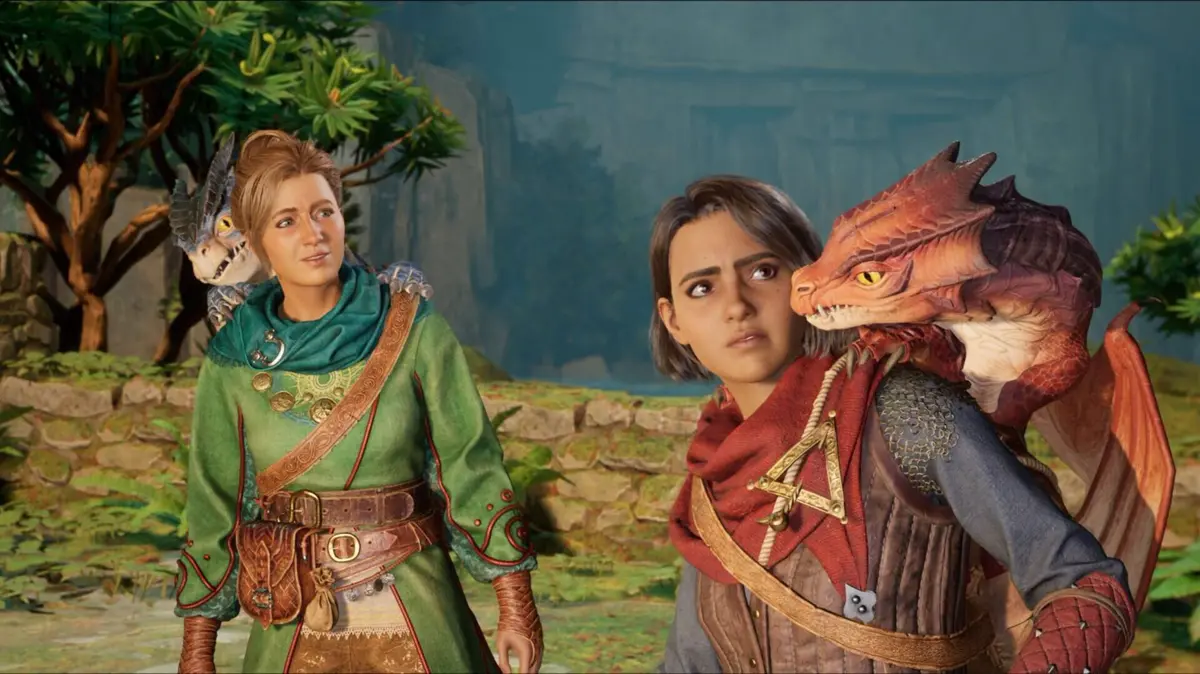
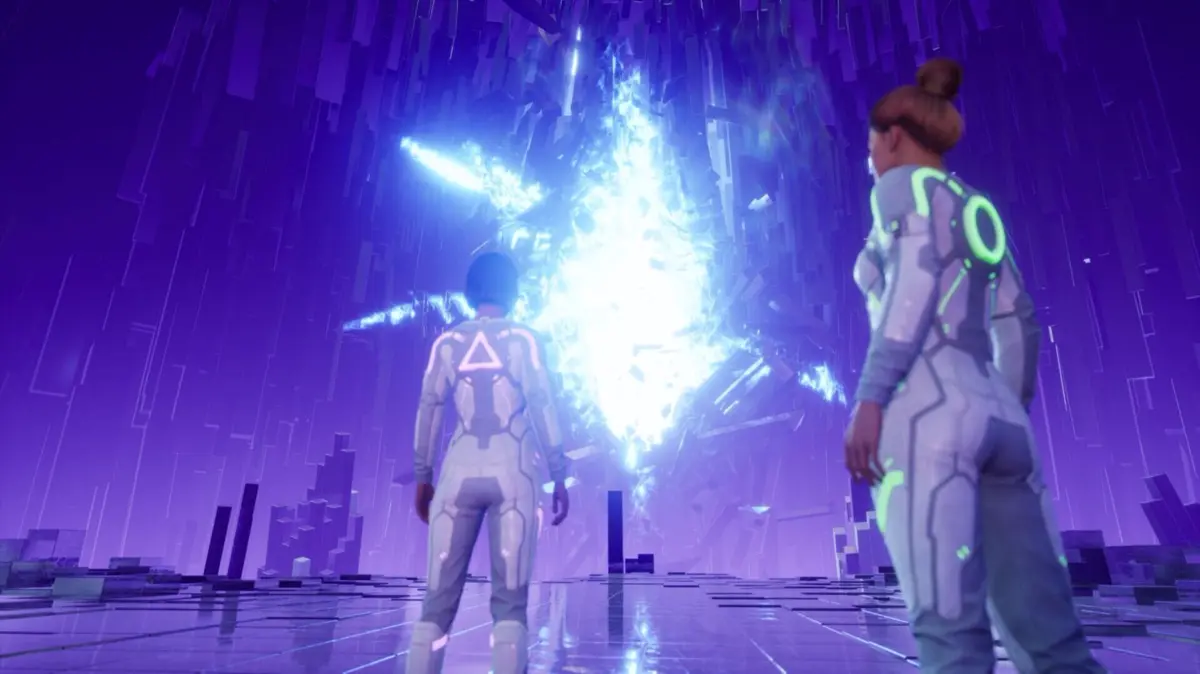
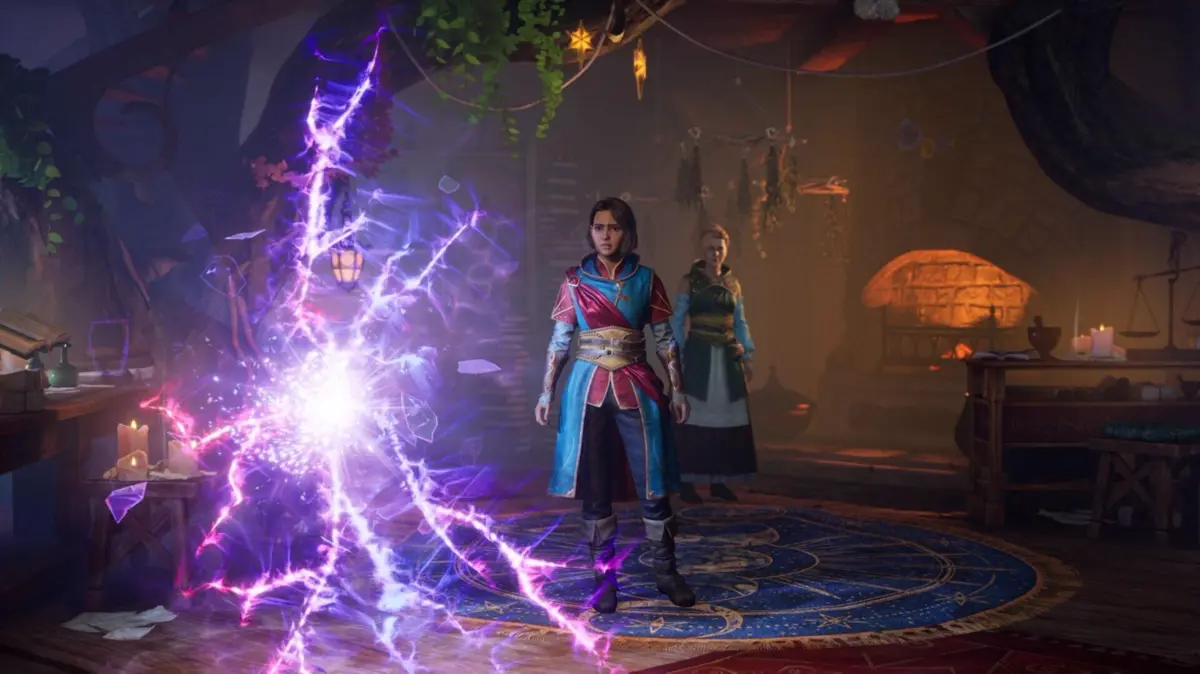
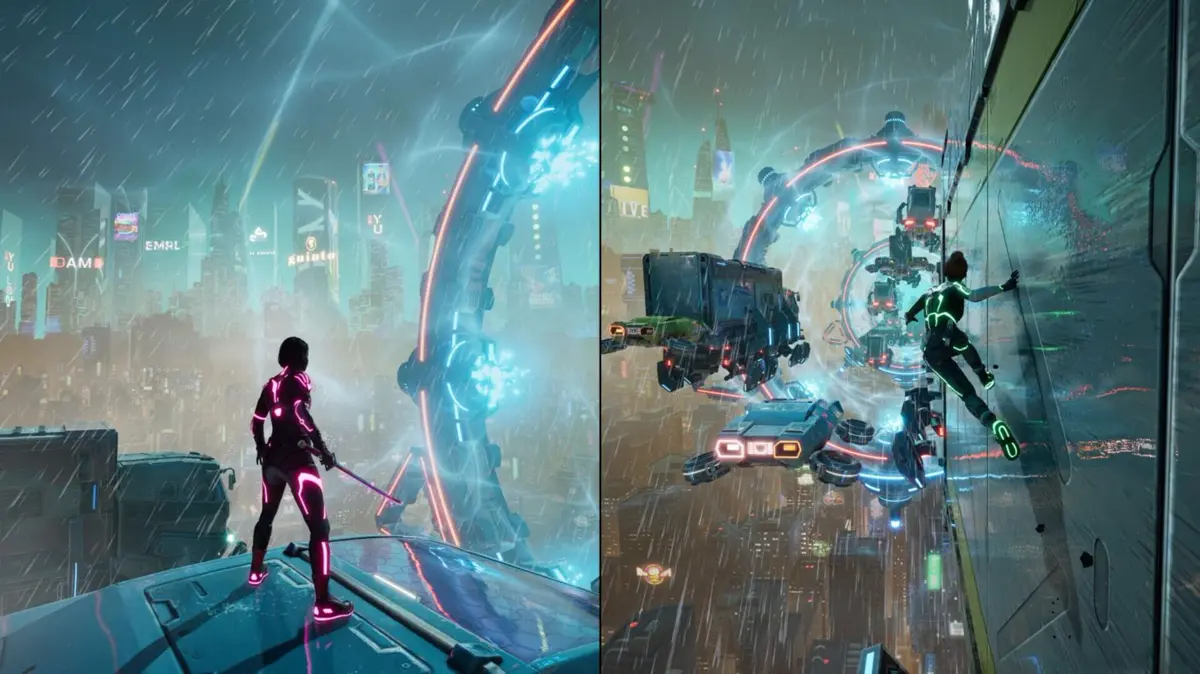
Split Fiction is a 2025 action-adventure game developed by Hazelight Studios and published by Electronic Arts. As a cooperative multiplayer-only game, it follows authors Mio Hudson and Zoe Foster after they become imprisoned in the world of their stories when they are connected to a machine designed to steal creative ideas.
From the Wikipedia article Split Fiction, by its contributors, under CC BY-SA 4.0.
Developer and publisher
Hazelight Studios Developer
Video game developer based in Stockholm, Sweden
Based in Stockholm · founded 2014 · 2 other games here
Electronic Arts Publisher
American video game company
Based in Decatur · founded 1982 · 434 other games here
Star Wars Zero Company, EA Sports FC 27, EA Sports College Football 27, Skate · all 435
Platforms and release dates
| Platform | Released |
|---|---|
| Microsoft Windows | March 6, 2025 (worldwide) |
| PlayStation 5 | March 6, 2025 (worldwide) |
| Xbox Series X and Series S | March 6, 2025 (worldwide) |
| Nintendo Switch 2 | June 5, 2025 (worldwide) |
PC system requirements
Not added yet.
Details
| Genre | action-adventure game |
|---|---|
| Modes | co-op mode |
| Engine | Unreal Engine 5 |
| Sold on | Steam, Nintendo eShop |
| Country | Sweden |
| Age rating | Teen, PEGI 16 |
| Official site | ea.com |
What critics say
Split Fiction is a two-player game first, and critics loved it that way
Hazelight's sci-fi and fantasy co-op adventure drew near-universal praise, but you can only play it with a partner.
Is Split Fiction worth it?
Split Fiction is for two people who want to sit down together, locally or online, and work through a game that keeps changing its rules. Critics backed it almost without exception: OpenCritic reported 98% recommending it, and Metacritic called the response "universal acclaim." The one hard limit is the design itself, because there's no way to play it alone. If you have a regular co-op partner, play it; if you don't, skip it until you do.
Best for: Two players, side by side or online, who want a varied, story-driven co-op campaign to play together from start to finish. Solo players should look elsewhere.
Written from the published record (critics' reviews, the developer's documentation and the game's history), not a hands-on playthrough. How these are written.
What critics praised
- Mio and Zoe have different abilities, so both players really matter[1]
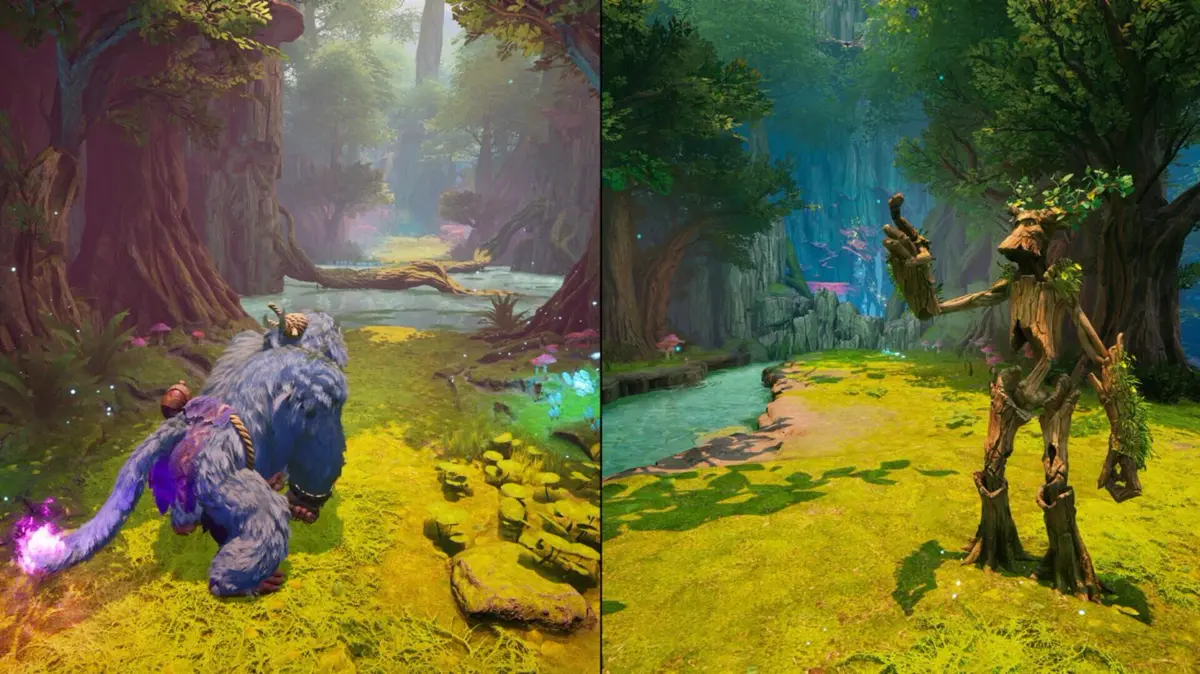
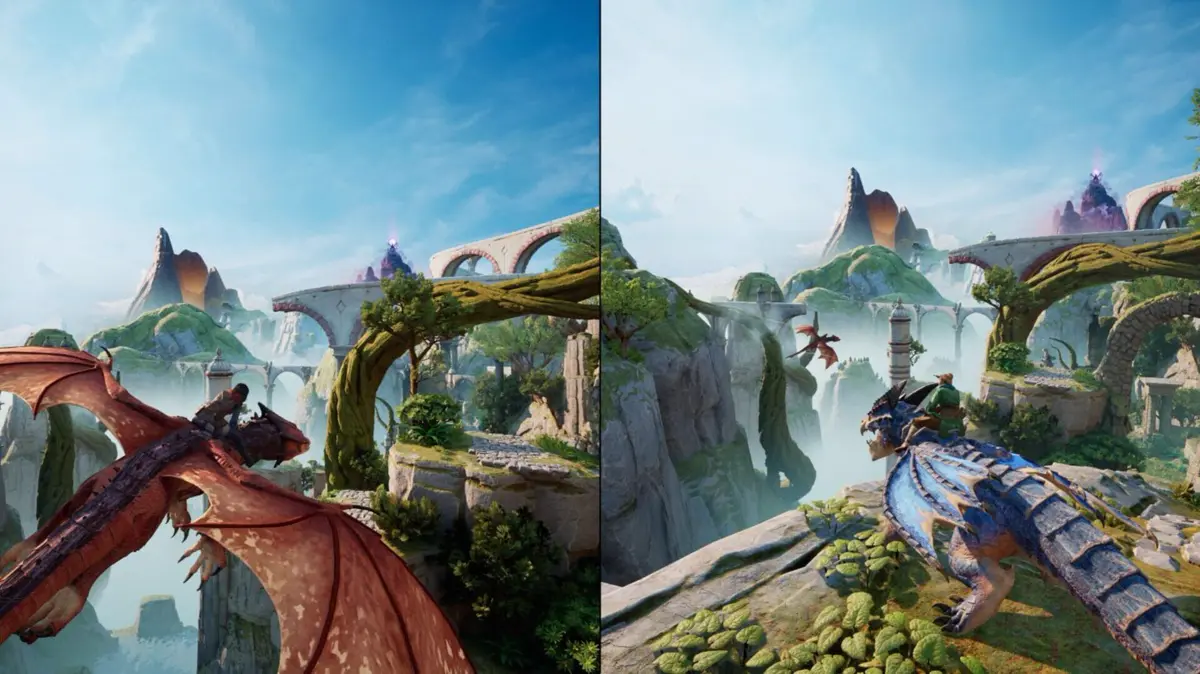
- Many stages add a one-off mechanic, so the game keeps changing[1]
- Optional side stories, each with its own mechanic, add more to find[1]
- Science fiction and fantasy settings are woven together through the campaign[1]
- Strong critic consensus, with 98% recommending it on OpenCritic[1]
Critic scores by outlet
| Outlet | Score | Out of 100 | Version | Date |
|---|---|---|---|---|
| CriticDB aggregate of 62 | 91/100 | 91 | Nintendo Switch 2, Xbox Series X and Series S, PlayStation 5, Microsoft Windows | – |
| OpenCritic aggregate of 182 | 91/100 | 91 | – | August 18, 2025 |
OpenCritic: 98% of critics recommend it.
Scores as recorded on Wikidata, with the outlet's own link where Wikidata cites one. User ratings are not listed.
- AnalysisSplit Fiction is a two-player game first, and critics loved it that way
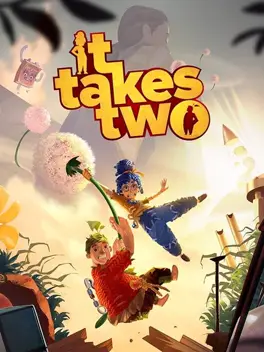
Split Fiction was built for two players and nobody else. Like Hazelight Studios' previous game, It Takes Two, it's a split-screen cooperative game that has to be played with another person, either on…
Community clips
See allCommunity images
See allNo community reviews yet. Be the first to review Split Fiction: a score out of 10, what works, what doesn't.
How the score works
9.1GameRaven score = Critics 100%
- Critics9.1100%
- Community–0%
The GameRaven score of 9.1 is the critics' average, from critic aggregates, until members review the game. Community reviews and votes join it as they come in, each counting for more as more people stand behind it. How it's worked out.
Sources
References
- Wikipedia: Split Fiction en.wikipedia.org
Where the rest comes from
- Facts and critic scores: Wikidata item Q131433899 (CC0), read November 12, 2026. Spotted something wrong? It can be corrected on Wikidata, and the change reaches this page the next time the catalogue is read.
- Summary: Wikipedia, CC BY-SA 4.0.
- Cover art: IGDB.
- Critics' overview written from: Wikipedia: Split Fiction, CC BY-SA 4.0.
- Critics' overview written from: Wikidata: Q131433899, CC0.
- How the score is worked out: methodology.