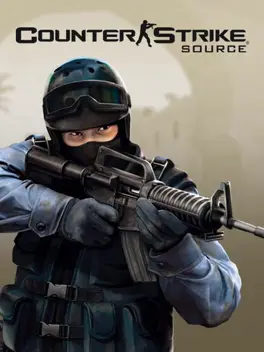
Where to buy Counter-Strike
Amazon links are affiliate links: as an Amazon Associate we earn from qualifying purchases.
About the game
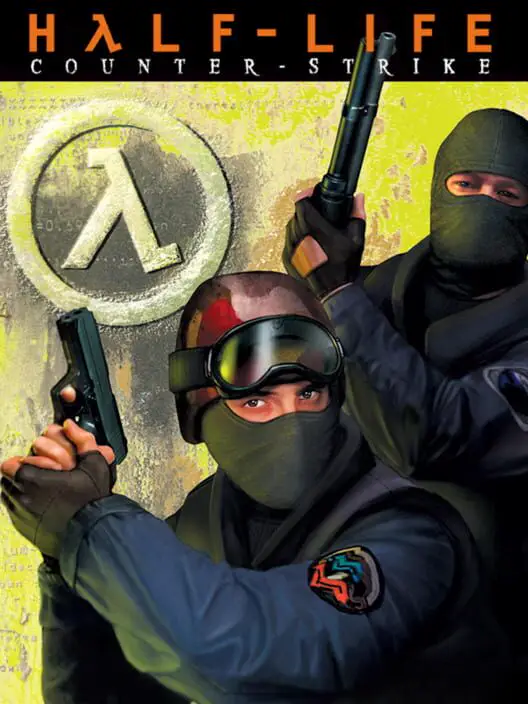
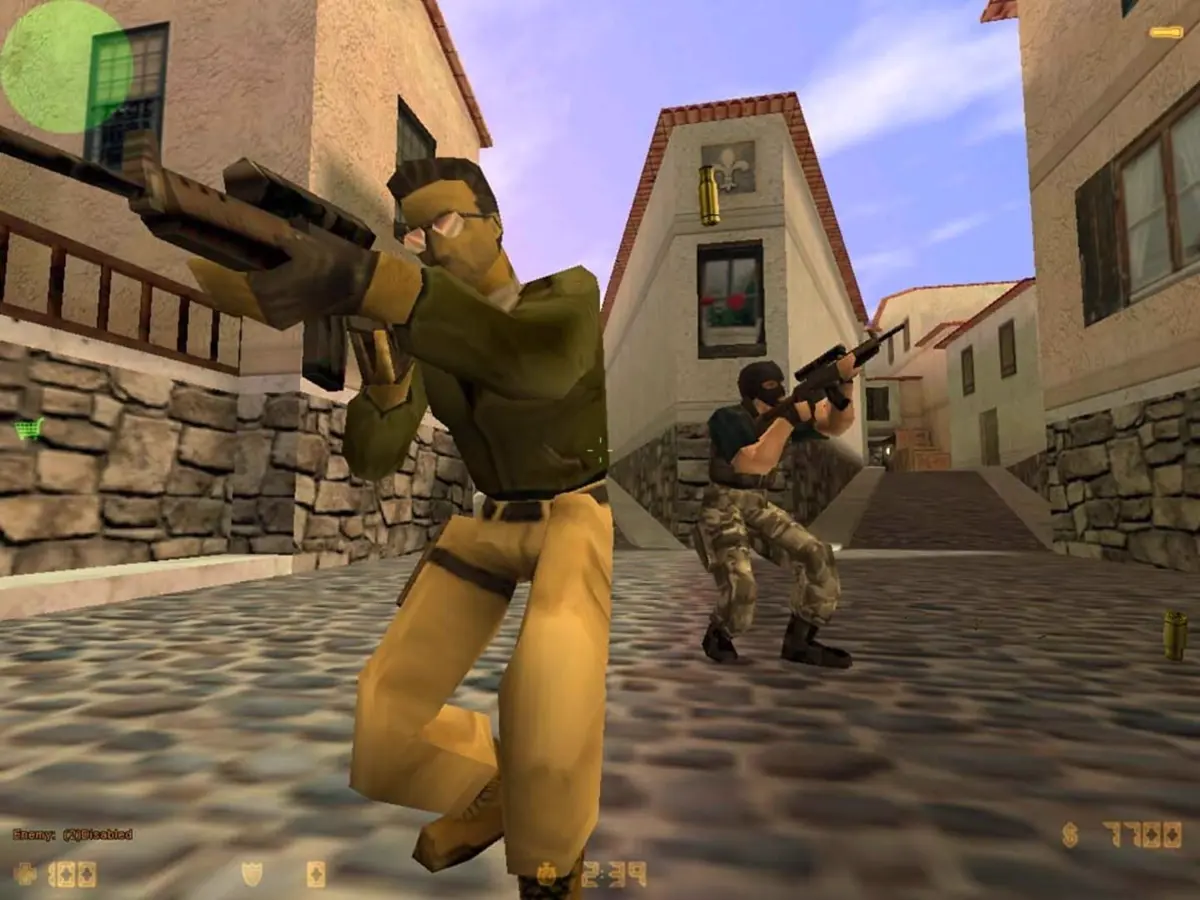
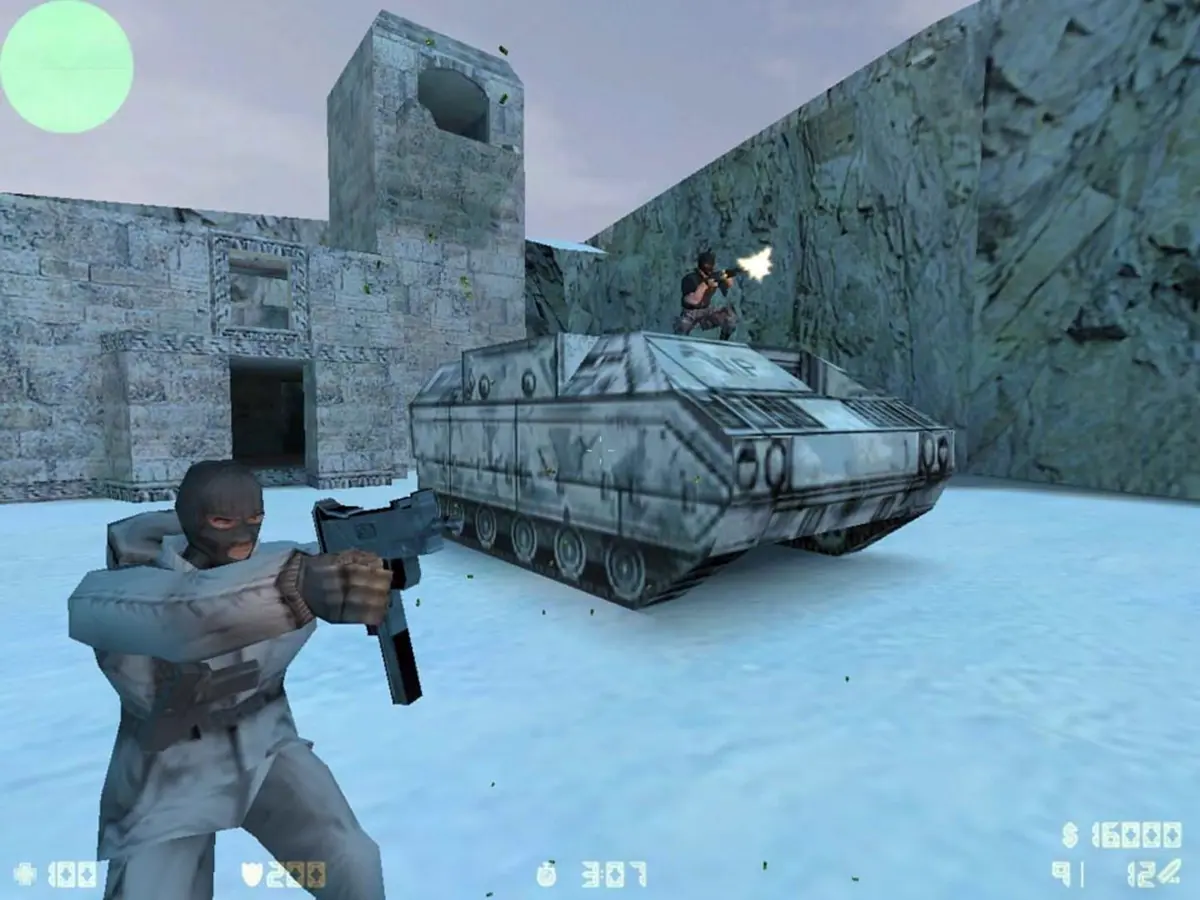
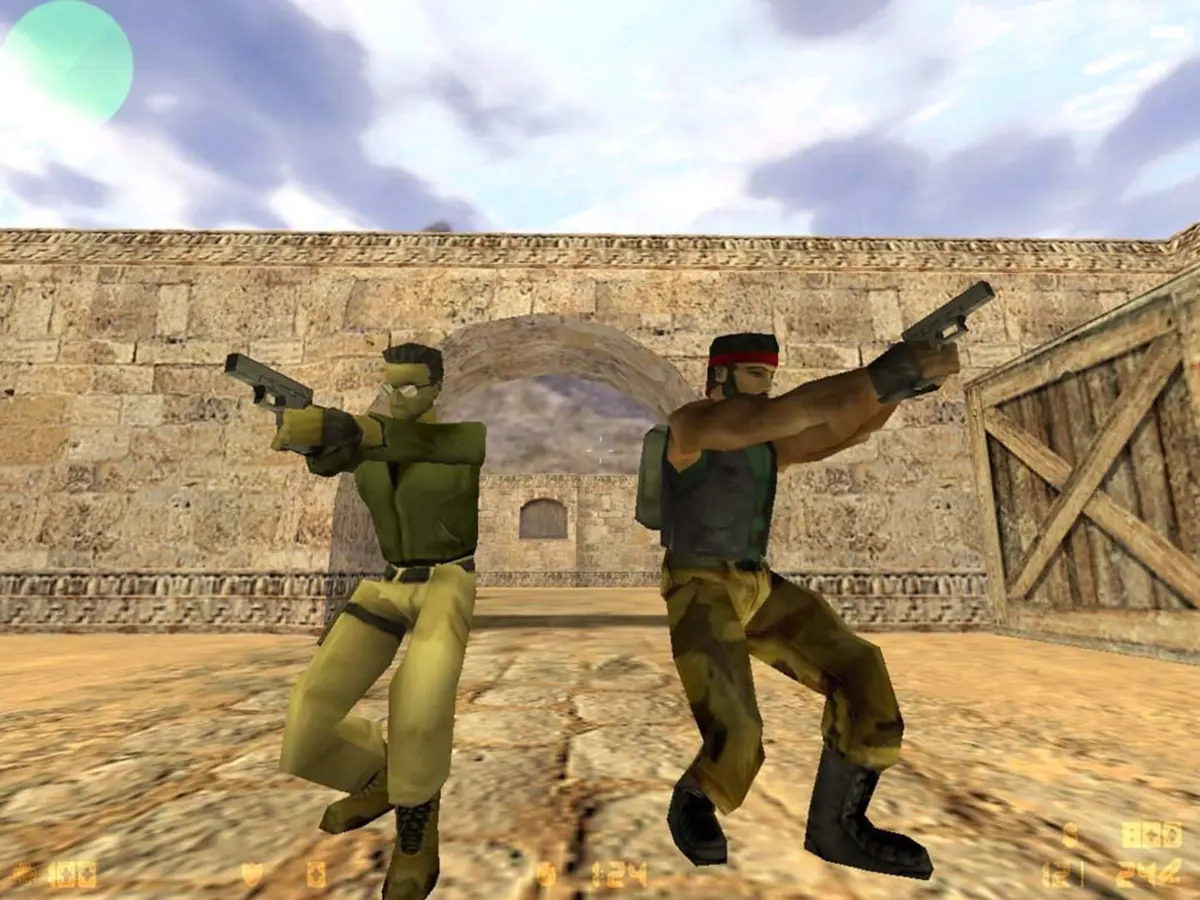
Counter-Strike is a 2000 tactical first-person shooter game developed by Valve Corporation and published by Sierra Studios. It is the first installment in the Counter-Strike series.
From the Wikipedia article Counter-Strike (video game), by its contributors, under CC BY-SA 4.0.
Developer and publisher
Valve Corporation Developer and Publisher
American video game development and digital distribution company
Based in Bellevue · founded 1996 · 27 other games here
Counter-Strike 2, Half-Life: Alyx, Artifact, The Escapists 2 · all 28
Sierra Entertainment Publisher
American video game company
Based in Bellevue · founded 1979 · 140 other games here
Geometry Wars 3: Dimensions, Velocity 2X, The Spiderwick Chronicles, TimeShift · all 141
Nexon Publisher
Japanese video game developer
Based in Tokyo · founded 1994 · 10 other games here
ARC Raiders, The First Berserker: Khazan, The First Descendant, DNF Duel · all 11
Platforms and release dates
| Platform | Released |
|---|---|
| Linux | January 25, 2013 |
| Microsoft Windows | June 19, 1999 (Internet) November 14, 2000 |
| macOS | January 25, 2013 |
| Xbox | – |
| Platform not recorded | November 9, 2000 |
PC system requirements
Not added yet.
Details
| Genre | first-person shooter, tactical shooter |
|---|---|
| Modes | multiplayer video game |
| Engine | GoldSrc |
| Series | Counter-Strike |
| Sold on | Steam |
| Country | England |
| Age rating | Mature 17+, PEGI 16 |
What critics say
Counter-Strike rewards the team that talks, not the lone gunman
Valve's 1999 tactical shooter is built on one rule critics kept coming back to: a coordinated team beats a skilled solo player.
Is Counter-Strike worth it?
Counter-Strike holds up because its rules push players toward teamwork. Those rules are one life per round, a shared money system and objectives that punish anyone who wanders off alone. Critics praised that focus even as they called the GoldSrc engine dated and the sound uneven. The critic average of 8.8 out of 10, computed from critic scores, fits that picture. Play it, ideally with a group that will talk to each other.
Best for: Players who'd rather win a round through callouts and a shared plan than through solo reflexes, and anyone curious where the tactical team shooter started.
Written from the published record (critics' reviews, the developer's documentation and the game's history), not a hands-on playthrough. How these are written.
What critics praised
Critic scores by outlet
| Outlet | Score | Out of 100 | Version | Date |
|---|---|---|---|---|
| Metacritic aggregate | 88/100 | 88 | – | – |
Scores as recorded on Wikidata, with the outlet's own link where Wikidata cites one. User ratings are not listed.
- AnalysisCounter-Strike rewards the team that talks, not the lone gunman
Critics agreed on what Counter-Strike is about. GameRevolution's Joe Dodson said it most bluntly: nothing beats a coordinated, experienced team except “an even more coordinated and experienced team.”…
Community clips
See allCommunity images
See allNo community reviews yet. Be the first to review Counter-Strike: a score out of 10, what works, what doesn't.
How the score works
8.8GameRaven score = Critics 100%
- Critics8.8100%
- Community–0%
The GameRaven score of 8.8 is the critics' average, from critic aggregates, until members review the game. Community reviews and votes join it as they come in, each counting for more as more people stand behind it. How it's worked out.
Sources
References
- Wikipedia: Counter-Strike (video game) en.wikipedia.org
Where the rest comes from
- Facts and critic scores: Wikidata item Q163628 (CC0), read November 12, 2026. Spotted something wrong? It can be corrected on Wikidata, and the change reaches this page the next time the catalogue is read.
- Summary: Wikipedia, CC BY-SA 4.0.
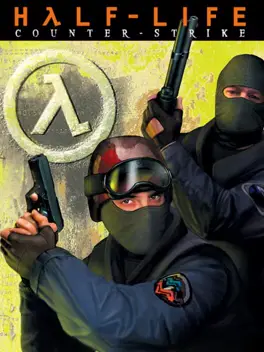
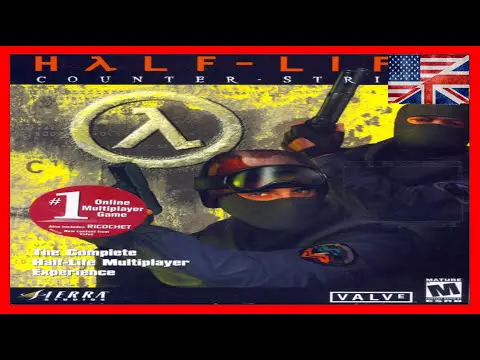
- Cover art: IGDB.
- Critics' overview written from: Wikipedia: Counter-Strike (video game), CC BY-SA 4.0.
- Critics' overview written from: Wikidata: Q163628, CC0.
- How the score is worked out: methodology.